
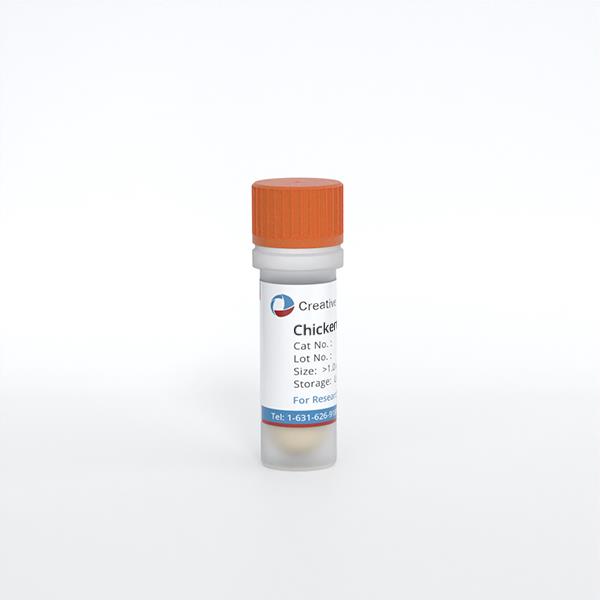
Chicken Preadipocytes
Cat.No.: CSC-C5445S
Species: Chicken
Source: Adipose
Cell Type: Preadipocyte
- Specification
- Background
- Scientific Data
- Q & A
- Customer Review
Never can cryopreserved cells be kept at -20 °C
Chicken preadipocytes exhibit a characteristic fibroblast-like, spindle-shaped morphology in monolayer culture. Immunophenotypically, chicken preadipocytes are positive for mesenchymal surface markers including CD29, CD44, CD71, and CD73,and can be characterized by immunofluorescence for preadipocyte factor 1 (Pref-1). Upon exposure to an adipogenic cocktail-typically containing insulin, dexamethasone, and exogenous fatty acids such as oleate-these cells undergo terminal differentiation into mature adipocytes, as confirmed by Oil Red O staining of lipid droplets and upregulation of canonical markers including PPARγ, C/EBPα, and FABP4.
A principal advantage of chicken preadipocytes lies in the exceptional utility of the avian model. Optimized protocols yield cells with high viability (~98%) and robust differentiation capacity. Importantly, chicken preadipocyte preparations exhibit minimal contamination from other cell types compared to mammalian isolates. Furthermore, depot-specific heterogeneity-with intramuscular and abdominal preadipocytes displaying distinct adipogenic kinetics and transcriptomic profiles-provides a powerful system for investigating marbling fat deposition, which directly impacts meat quality and poultry production efficiency. Chicken preadipocytes are amenable to genetic manipulation via siRNA, CRISPR/Cas9, or lentiviral transduction, and are extensively employed in nutrigenomics, lipid metabolism, anti-obesity drug screening, and cultured meat development.
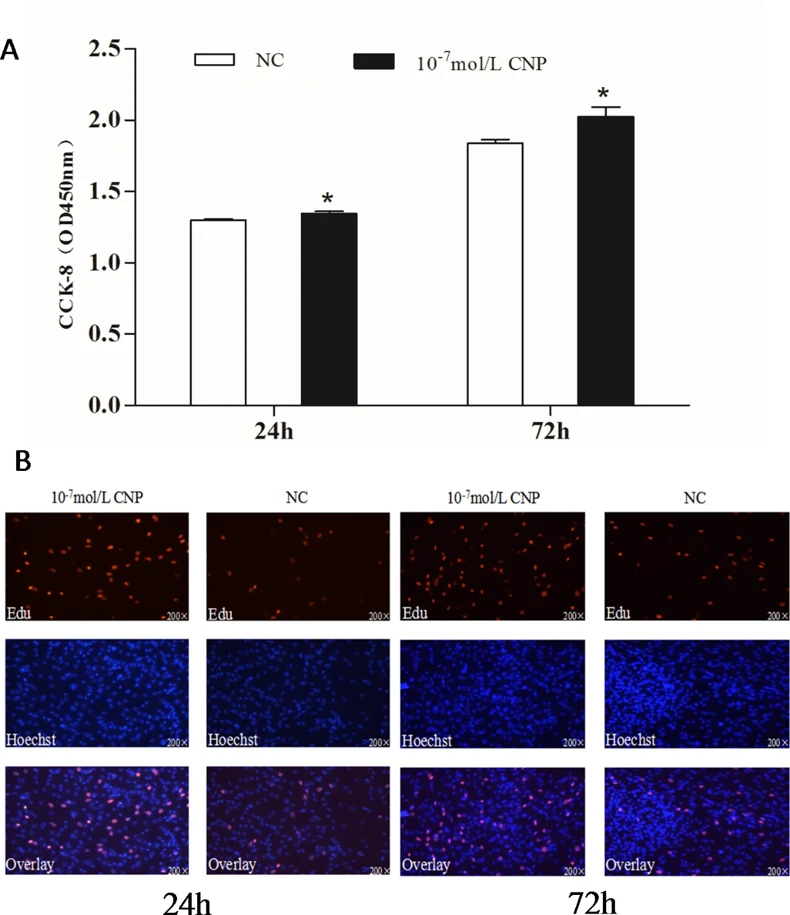
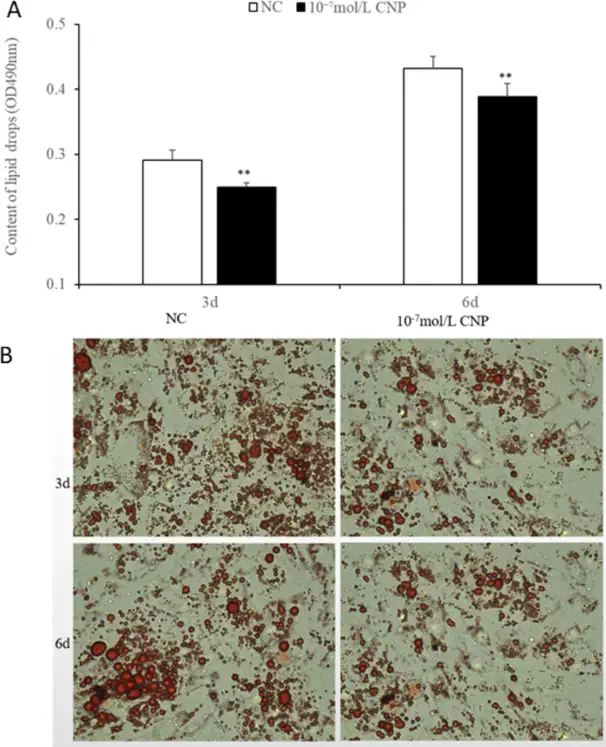
CNP Induction Enhanced IMF Preadipocyte Proliferation and Inhibited Adipocyte Differentiation
Natriuretic peptides (NPs) have an important role in lipid metabolism in skeletal muscle and adipose tissue in animals. C-type natriuretic peptide (CNP) is an important NP, but the molecular mechanisms that underlie its activity are not completely understood. The evidence of studies in mammals suggests that CNP would be expected to regulate lipid metabolism in adipose tissue and skeletal muscle in chickens.
Treatment of intramuscular fat (IMF) and subcutaneous fat (SCF) adipocytes with CNP led to decreased differentiation, promoted proliferation and lipolysis, and increased the expression of natriuretic peptide receptor B (NPRB) mRNA. Silencing natriuretic peptide C (NPPC) had the opposite results in IMF and SCF adipocytes.
Ask a Question
Write your own review
Description: Gallus embryonic kidney epithelial cells provided by Creative Bioarray are isolated from the Embryo tissue of chicken. Our isolation protocol combines established methods with proprietary techniques. ...
Description: Gallus embryonic cardiomyocytes (GECMCs) provided by Creative Bioarray are isolated from the heart tissue of chicken embryo. Our isolation protocol combines established methods with proprietary ...
Description: The whole blood is aseptically collected and prepared to order from our colony of animals. These washed cell suspensions are useful for the titration of complement, absorption procedures, testing for ...
Description: Gallus articular chondrocytes (GACs) provided by Creative Bioarray are isolated from the embryonic articular cartilage of chicken. Our isolation protocol combines established methods with proprietary ...
Description: Gallus fetal dermal fibroblasts (GFDFs) provided by Creative Bioarray are isolated from the fetal dermis tissue of chicken embryo. Our isolation protocol combines established methods with proprietary ...
Description: Gallus embryonic fibroblasts (GEFs) provided by Creative Bioarray are isolated from the embryo tissue of chicken. Our isolation protocol combines established methods with proprietary techniques. The ...