
Bovine Tumor Cells

Bovine tumour cells serve as important models in veterinary cancer, comparative medicine, and scientific research. These animal-derived cell lines offer unique windows into the spontaneous and induced malignancies of cattle, which are valuable models for cancer biology, viral oncogenesis and potential zoonotic linkages.

Our large collection of bovine tumour cell lines allows scientists to study cancers that afflict livestock, with implications for animal health, food safety and translational research. These models are especially beneficial for the study of retroviral-induced leukaemias, epithelial tumours and mesenchymal neoplasms in cattle.

Veterinary Focus Species-Specific Zoonotic Relevance Comparative Models
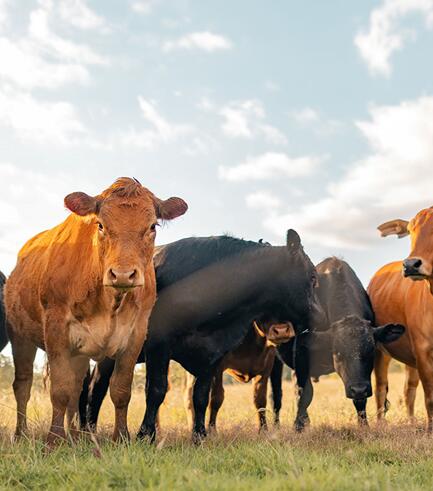
Illustration of bovine anatomy or bovine tumor cell culture
Product List

Key Features & Expertise

Our bovine tumor cell lines offer distinct advantages for animal cancer research

Veterinary Oncology Icon

Species-Specific Veterinary Cancer Models

  • Authentic bovine cell lines representing spontaneous tumors in cattle populations
  • Includes models for bovine leukemia, lymphoma, and other common veterinary malignancies
  • Essential for developing species-specific diagnostics and therapeutics

Viral Research Icon

Models for Viral Oncogenesis Research

  • Cell lines transformed by bovine leukemia virus (BLV) and other oncogenic viruses
  • Enable study of retroviral integration, latency, and transformation mechanisms
  • Valuable for understanding viral-host interactions in large animal species

Translational Research Icon

Bridges Veterinary and Human Oncology

  • Comparative oncology platforms for translational research applications
  • Models for studying potential zoonotic cancer connections and food safety
  • Support development of therapies applicable across species boundaries

FAQ

What are the main advantages of using bovine tumor cells over human tumor cell lines?

Bovine tumour cells have certain distinct advantages: 1) They provide authentic models for investigating cancers that are specific for animals, with direct applications in veterinary medicine. 2) They allow studies of virus-induced malignancies using models changed by bovine-specific viruses such as BLV . 3) They provide comparative models to understand cancer biology across animals , possibly identifying conserved or divergent pathways . 4) They are important for food safety and zoonotic disease studies .

What types of bovine tumors are represented in your cell line collection?

Our cell line collection comprises cell lines established from a range of bovine cancers, emphasising: 1) Bovine models of leukaemia and lymphoma, especially those related with infection with the bovine leukaemia virus (BLV). 2) Tumours of epithelial origin of several tissues of the bovine. 3) Transformed cell lines and mesenchymal tumours. These models include spontaneous tumours from clinical cases and experimentally produced lines for specialised research uses.

What quality controls are implemented for bovine tumor cell lines?

All bovine tumour cell lines are highly quality controlled: 1) Species authentication via molecular markers for confirmation of bovine origin. 2) Tests for common bovine diseases and extraneous agents. 3) Confirmation of tumour features and transformation. 4) Mycoplasma testing and sterility assurance. 5) Record of passage history and growth features for experimental repeatability.

Can these cell lines be used for vaccine development or therapeutic testing?

Yes, bovine tumour cell lines are useful in both applications: 1) They offer a platform for the development and testing of veterinary cancer vaccines, especially for viral-induced malignancies. 2) Used in preclinical testing of medicinal medicines for bovine malignancies. 3) They can be employed for production of viral antigens or tumor-associated antigens in immunological research. 4) They fund research into immunotherapies and adjuvant development for animals.

Filters Clear all filters

Species

  • African clawed frog (1)
  • American mink (1)
  • Asian tiger mosquito (1)
  • Atlantic salmon (1)
  • Bluegill (2)
  • Bluestriped grunt (1)
  • Bovine (7)
  • Brazilian free-tailed bat (1)
  • Brown bullhead (2)
  • Cabbage looper (1)
  • Cabbage moth (6)
  • Cat (3)
  • Central mudminnow (1)
  • Chicken (3)
  • Chinese hamster (5)
  • Chinook salmon (2)
  • Chum salmon (1)
  • Coho salmon (1)
  • Common carp (2)
  • Cotton-top tamarin (1)
  • Dog (2)
  • Fall armyworm (3)
  • Fathead minnow (2)
  • Fruit fly (1)
  • Gilthead sea bream (2)
  • Golden hamster (7)
  • Goldfish (6)
  • Gray dwarf hamster (1)
  • Green monkey (2)
  • Gypsy moth (1)
  • Horse (1)
  • Japanese eel (1)
  • Japanese rice fish (7)
  • Koi carp (1)
  • Mouse (310)
  • Mouse x Gray dwarf hamster (1)
  • Mouse x Rat (20)
  • Northern pike (1)
  • Pig (3)
  • Rabbit (2)
  • Rainbow trout (3)
  • Rat (114)
  • Rhesus macaque (1)
  • Salt marsh moth (1)
  • Sheep (2)
  • Snakehead murrel (2)
  • Sockeye salmon (1)
  • Vervet monkey (2)
  • Zebrafish (2)

Source

  • Abdomen (1)
  • Adipose (2)
  • Adrenal Gland (1)
  • Aorta (4)
  • Artery (1)
  • Ascites (5)
  • Ascites Metastasis (5)
  • Bladder (11)
  • Bladder Metastasis (1)
  • Blastocyst (1)
  • Blastula (1)
  • Blood (7)
  • Bone (6)
  • Bone Marrow (14)
  • Brain (24)
  • Brain Metastasis (1)
  • Breast (22)
  • Caudal Peduncle (1)
  • Caudal Trunk (2)
  • Colon (6)
  • Connective Tissue (7)
  • Dermis (1)
  • Embryo (29)
  • Fetus (2)
  • Fin (9)
  • Glomerulus (2)
  • Head Kidney (2)
  • Heart (4)
  • Hemolymph (1)
  • Ileum (1)
  • Intestine (9)
  • Jejunum (1)
  • Kidney (18)
  • Liver (22)
  • Lung (16)
  • Lymph Node (2)
  • Lymph Node Metastasis (1)
  • Muscle (3)
  • Ovary (8)
  • Pancreas (9)
  • Peripheral Blood (7)
  • Peripheral Nervous System (21)
  • Pituitary Gland (7)
  • Prostate (3)
  • Rectum (2)
  • Skeletal Muscle (4)
  • Skin (10)
  • Small Intestine (3)
  • Smooth Muscle (2)
  • Soft Tissue (1)
  • Spinal Cord (2)
  • Testis (6)
  • Thymus (5)
  • Thyroid Gland (1)
  • Trachea (1)
  • Uterus (1)

Disease

  • Bovine Leukemia (2)
  • Canine Histiocytic Sarcoma (1)
  • Chicken Bursal Lymphoma (2)
  • Goldfish Erythrophoroma (4)
  • Hamster Kidney Tumor (1)
  • Hamster Pancreatic Ductal Adenocarcinoma (1)
  • Hamster Uterine Leiomyosarcoma (1)
  • Medaka Hepatoma (2)
  • Mouse Bladder Transitional Cell Carcinoma (1)
  • Mouse Chondrosarcoma (1)
  • Mouse Colon Adenocarcinoma (3)
  • Mouse Ependymoma (2)
  • Mouse Erythroid Leukemia (13)
  • Mouse Fibrosarcoma (5)
  • Mouse Glioblastoma (1)
  • Mouse Hemangioendothelioma (1)
  • Mouse Hepatocellular Carcinoma (1)
  • Mouse Insulinoma (3)
  • Mouse Islet Cell Adenoma (1)
  • Mouse Kidney Carcinoma (1)
  • Mouse Leukemia (10)
  • Mouse Leydig Cell Tumor (1)
  • Mouse Lymphoma (8)
  • Mouse Mammary Gland Malignant Neoplasm (21)
  • Mouse Melanoma (9)
  • Mouse Multiple Myeloma (5)
  • Mouse Myeloid Leukemia (3)
  • Mouse Neoplasm (1)
  • Mouse Neuroblastoma (21)
  • Mouse Oral Cavity Squamous Cell Carcinoma (1)
  • Mouse Osteosarcoma (3)
  • Mouse Pituitary Gland Neoplasm (1)
  • Mouse Precursor T Cell Lymphoblastic Lymphoma/Leukemia (2)
  • Mouse Pulmonary Adenoma (1)
  • Mouse Pulmonary Malignant Tumor (3)
  • Mouse Pulmonary Squamous Cell Carcinoma (1)
  • Mouse Rectum Carcinoma (2)
  • Mouse Reticulum Cell Sarcoma (2)
  • Mouse Sarcoma (1)
  • Mouse Teratocarcinoma (8)
  • Mouse Thymic Lymphoma (3)
  • Rat C-Cell Carcinoma (1)
  • Rat Cholangiocarcinoma (1)
  • Rat Colon Adenocarcinoma (5)
  • Rat Digestive System Neoplasm (1)
  • Rat Fibrosarcoma (1)
  • Rat Hepatocellular Carcinoma (20)
  • Rat Histiocytic Sarcoma (1)
  • Rat Insulinoma (2)
  • Rat Leukemia (1)
  • Rat Leydig Cell Adenoma (1)
  • Rat Lung Carcinoma (1)
  • Rat Malignant Glioma (4)
  • Rat Malignant Meningioma (1)
  • Rat Malignant Oligodendroglioma (2)
  • Rat Malignant Thymoma (3)
  • Rat Mammary Gland Adenocarcinoma (10)
  • Rat Neuroblastoma (3)
  • Rat Osteosarcoma (2)
  • Rat Pituitary Gland Neoplasm (6)
  • Rat Prostate Adenocarcinoma (3)
  • Rat Rhabdomyosarcoma (1)
  • Rat Sarcoma (2)
  • Rat Squamous Cell Carcinoma (1)
  • Rat Urinary Bladder Transitional Cell Carcinoma (2)
  • Rat Urinary System Neoplasm (6)

EBL
EBL

Description: Established from lung of a 7-month-old bovine fetus; useful for detection of Pasteurella multocida ...

Cat#: CSC-C1077 INQUIRY

Description: Established from a male bovine fetus at 24-week gestation; vascular endothelium transformed with ...

Cat#: CSC-C3445 INQUIRY

Description: Bovine leukemia virus producing. Surface Ig (+).

Cat#: CSC-C6519J INQUIRY

Description: Bovine B cell leukemia without virus production.

Cat#: CSC-C6520J INQUIRY

Description: Bovine derived lymphocyte.

Cat#: CSC-C6521J INQUIRY

Description: Species: bovine - female, bovine; Bos taurusProduction: positive for angiotensin converting ...

Cat#: CSC-C9365L INQUIRY

Description: Species: bovine - male, embryoStrain: Bos taurusVirus Susceptibility: bovine viral diarrhea; ...

Cat#: CSC-C9375L INQUIRY

For research use only. Not for any other purpose.