Targeted Proteomics Service
- Background
- Service Details
- Applications
- Advantages
- FAQ
At Creative Bioarray, we provide end-to-end targeted proteomics services to support biomarker validation, drug development, and mechanistic studies. Leveraging advanced MRM, SRM, and PRM mass spectrometry platforms, we deliver highly sensitive and specific quantification of proteins and post-translational modifications (PTMs) across diverse biological matrices.
From custom assay development to large-scale sample analysis, our workflows are designed for robustness, scalability, and reproducibility—ensuring reliable data for confident decision-making.
Why Targeted Proteomics?
Accurate protein quantification in complex biological systems remains a major challenge. Traditional antibody-based methods are often limited by cross-reactivity, low reproducibility, and restricted multiplexing capabilities.
- Targeted proteomics overcomes these limitations by offering:
- High specificity and sensitivity in complex biological matrices
- Absolute or relative quantification using internal standards
- Multiplexed detection of tens to hundreds of targets in a single run
- Direct analysis of proteoforms and PTMs without antibody dependency
Our Capabilities
We provide flexible and scalable targeted proteomics solutions tailored to your research needs:
- Custom assay development and peptide selection
- Absolute quantification using isotope-labeled standards (AQUA)
- High-throughput analysis for large cohort studies
- Targeted PTM analysis (phosphorylation, acetylation, glycosylation, etc.)
- Cross-matrix method validation (plasma, tissue, cells, biofluids)
- Comprehensive data analysis with statistical validation and reporting
Our Technology
We offer multiple targeted proteomics strategies to match your study requirements:
MRM/SRM (Triple Quadrupole MS)
- Highly specific quantification of target peptides
- Excellent linearity and sensitivity
- Ideal for multiplexed biomarker panels
- Well-suited for routine and large cohort studies
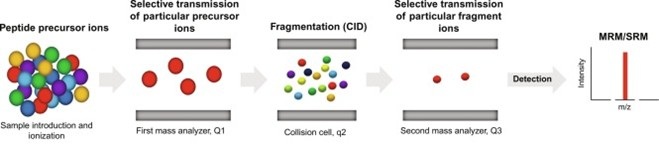 Fig. 1. Schematic Diagram of the MRM / SRM (Lei Wang, Adam J, et al., 2020).
PRM
- Superior specificity for differentiating proteoforms
- Enhanced detection of PTMs (phosphorylation, acetylation, glycosylation, etc.)
- Ideal for targeted validation after discovery proteomics
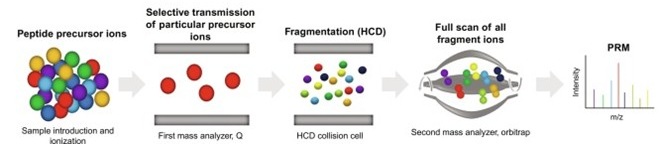 Fig. 1. Schematic Diagram of the PRM (Lei Wang, Adam J, et al., 2020).
Sample Requirements
| Sample Type | Animal Tissue | Cell | Plasma/Serum | Urine | Plant Tissue | Microorganism | Exosome | Protein Solution |
|---|---|---|---|---|---|---|---|---|
| Recommend Amount | ≥ 10 mg | ≥ 1×10⁷ | ≥ 10 μL | ≥ 30 mL | ≥ 1 g | Thallus ≥ 50 mg, cells ≥ 5×10⁶ | ≥ 50 μg, ≥ 0.5 μg/μL | ≥ 100 μg, ≥ 0.5 μg/μL |
Applications
Routine Biomarker Assays
Rapid, reproducible, and sensitive measurement of known or candidate biomarkers in large cohorts.
Relative and Absolute Protein Quantification
Accurate quantification using internal standards or isotope-labeled peptides (AQUA).
Multiplex Assays
Simultaneous measurement of tens to hundreds of peptides within a single run.
Drug Target & Mechanism Studies
Quantitative evaluation of target engagement, pathway modulation, and treatment response.
Post-Translational Modification Analysis
Detection of phosphorylation, acetylation, glycosylation, methylation, and other PTMs.
Why Choose Creative Bioarray?

Antibody-Free Quantification:
Our mass spectrometry technique quantifies peptides and proteins without the need for antibodies, eliminating issues associated with antibody cross-reactivity, batch-to-batch variability, and the time-consuming process of antibody development.

Capture of Proteoforms and PTMs:
By targeting specific peptide sequences and their modifications, we are able to distinguish and quantify different protein isoforms and PTMs, providing a deeper, biologically relevant view of the protein landscape.

Unrivaled Sample Flexibility:
Our optimized methods are validated for virtually any biological matrix, ensuring you can use the most relevant samples for your research.
FAQ
What is Targeted Proteomics?
Targeted proteomics is a mass spectrometry-based strategy used to accurately detect and quantify a pre-selected, focused set of proteins or peptides in a complex biological sample. Unlike 'discovery' proteomics, which aims to identify as many proteins as possible, targeted proteomics focuses on high-precision and high-sensitivity quantification of specific analytes to test a hypothesis or validate a biomarker.
What is the Role of Proteomics in Drug Discovery?
Proteomics can play an important role at various stages of drug discovery:
1. Target Identification & Validation: Identify and quantify proteins relevant to disease and active post-translational modifications (PTMs).
2. Pharmacokinetics (PK) / Pharmacodynamics (PD): Measure the drug's target engagement, metabolism and downstream protein effects in preclinical and clinical samples.
3. Biomarker Development: Validate protein-based biomarkers for patient stratification, treatment response monitoring and prediction of toxicity.
How do MRM and PRM differ, and which one is right for my project?
MRM (on Triple Quadrupole MS) is the most established method and offers superior robustness, sensitivity, and throughput, making it the ideal choice for large scale validation and absolute quantification. PRM (on High-Resolution MS) has higher specificity due to the full fragment ion scan and high mass accuracy, making it particularly well-suited for assay development, isoform distinction and PTM analysis where high confidence is essential.
CTA
Whether you are validating biomarkers, advancing drug candidates, or investigating protein function, our team is ready to support your research with reliable and scalable targeted proteomics solutions.
Tell us about your project, and we will design a tailored workflow to meet your specific goals.
Reference
- Lei Wang, Adam J, et al. Chapter 15 - Quantitative proteomics in development of disease protein biomarkers. Proteomic and Metabolomic Approaches to Biomarker Discovery (Second Edition), Academic Press, 2020; 261-288.
Explore Other Options