
TNBS-Induced Colitis Model
Creative Bioarray provides TNBS-induced colitis models for preclinical inflammatory bowel disease (IBD) research, efficacy evaluation, and mechanism studies. Our platform supports both rapid drug screening and in-depth immunological analysis, with flexible study design and comprehensive endpoint assessment.
- Background
- Models
- Study Examples
- Features
- FAQ
Background of IBD
IBD, including Crohn's disease and ulcerative colitis (UC), affects over 2.8 million people globally, with a prevalence exceeding 200 per 100,000 individuals. The incidence continues to rise, particularly in emerging regions, highlighting a growing clinical and commercial burden.
Pathogenesis of IBD results from the interplay between a dysfunctional epithelial barrier, dysregulated immune responses and continued inflammation of intestinal mucosa. Alterations to epithelial tight junctions results in luminal antigens crossing into mucosa and causing activation of dendritic cells, which then results in T-cell differentiation (especially Th1/Th17). Inflammatory pathways are then activated (NF-κB), causing upregulation of cytokines (TNF-α, IL-6 etc.) and inflammatory cell influx leading to tissue damage.
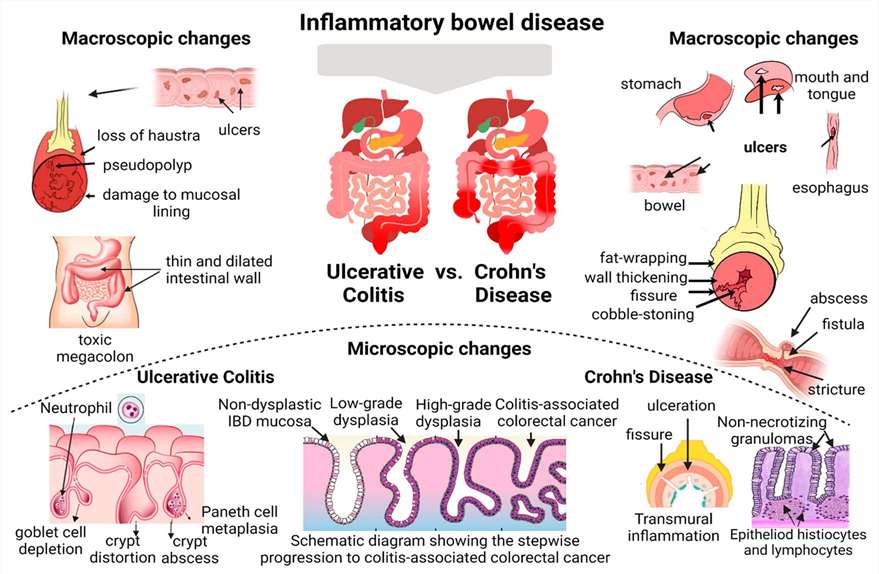 Fig. 1. Macroscopic and microscopic changes after a long-standing activity of ulcerative colitis and Crohn's disease (Jucan AE, Gavrilescu O, et al. 2023).
The current therapies for treating IBD symptoms involve corticosteroids, immunosuppressants or biological therapies. All of these drug classes have limited efficacy, anti-drug antibodies (secondary loss of response) and/or poor safety profiles. Thus, there is a reliance on thorough preclinical models which faithfully reproduce the pathophysiological processes of IBD. TNBS-induced colitis models are widely used because they elicit mainly Th1 responses mimicking disease mediation of Crohn's disease.
Our TNBS Induced Colitis Model
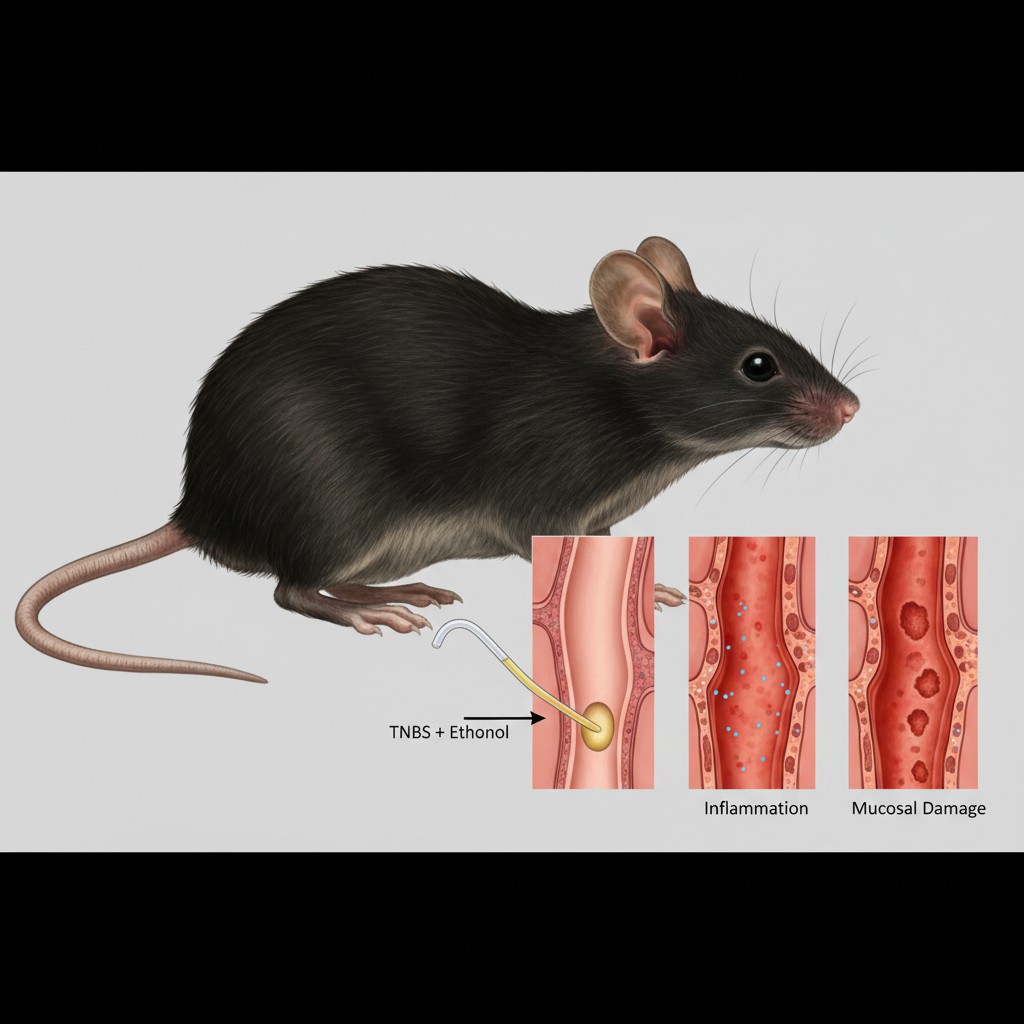
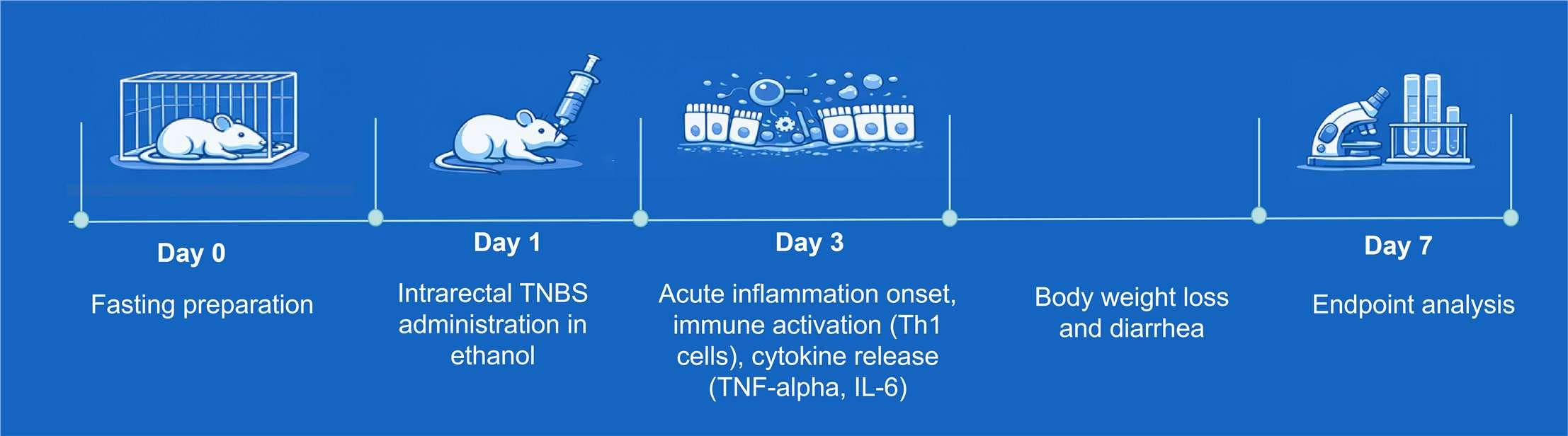
The TNBS-induced colitis model is established by intrarectal administration of TNBS dissolved in ethanol, where ethanol disrupts the intestinal epithelial barrier and facilitates TNBS penetration. TNBS acts as a hapten, modifying host proteins and triggering a delayed-type hypersensitivity response, leading to Th1-dominant immune activation, cytokine release, and reproducible intestinal inflammation resembling Crohn's disease.
Animal Strains
- Mouse: C57BL/6, BALB/c
- Rat: Sprague-Dawley (SD)
Endpoints
- Clinical outcomes: Body weight monitoring, Disease activity index (DAI) score
- Macroscopic evaluation: Colon weight, colon length, colon weight-to-length ratio
- Histopathological analysis: H&E staining of colon, etc
- Biochemical / Molecular analysis: Cytokine profiling (TNF-α, IL-6, IL-1β, etc); myeloperoxidase (MPO) activity
- Immunological analysis: T cell subset analysis (Th1/Th17); Inflammatory pathway markers (e.g., NF-κB)
- Other customized endpoints: available upon request
Study Examples
Clinical Signs
Between weeks 2 and 4, the mice presented an alteration of intestinal motility that was characterized by soft stools and moderate morbidity.
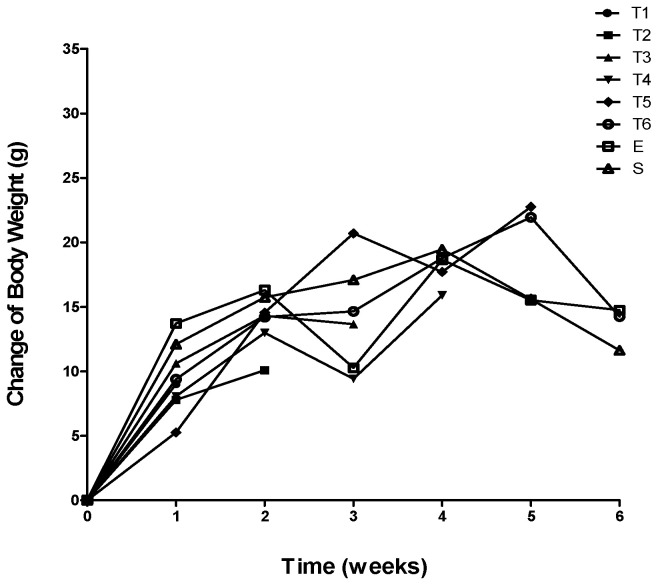 Fig. 2. Change in body weight during the development of TNBS-induced colitis (Silva I, Solas J, et al. 2022).
Histological
TNBS caused the inflammatory features typical of colitis in the rats' colonic architecture: severe oedema and haemorrhage at the muscular layer of the mucosa, ulceration, goblet cell depletion, and a mixed cell infiltration that was mainly composed of mononuclear cells such as macrophages, lymphocytes and plasmocytes.
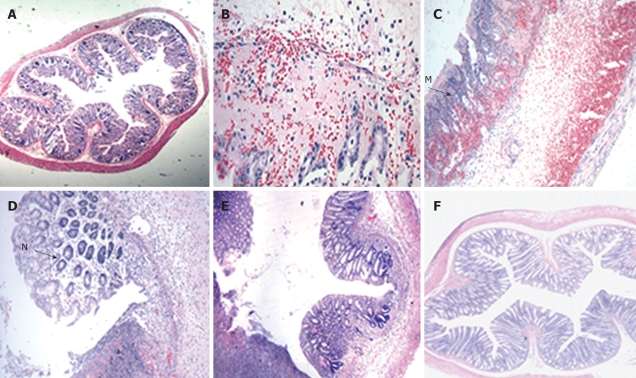 Fig. 3. Light photomicrograph of colon tissues from TNBS-induced colitis rats. (A) Control; (B-F) 3, 7, 14, 21 and 28 days (Wang K, Yuan C, et al., 2010).
Cytokines Changes
Acute TNBS colitis displayed a cytotoxic and chemotactic profile with significant elevated levels of IL-12, IL-17, IFN-γ, and MIP-1α (p<0.05), when compared to ethanol-treated controls.
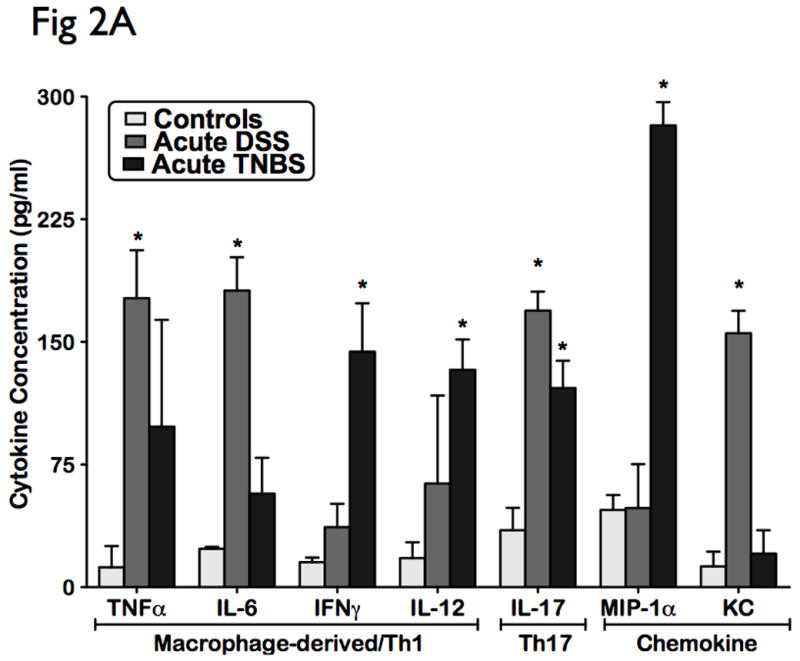 Fig. 4. Cytokines levels of acute DSS and TNBS-induced colitis (Alex P, Zachos NC, et al. 2009).
Why Choose Creative Bioarray for TNBS Induced Colitis Models

Crohn's Disease-Relevant Model Expertise
We provide optimized TNBS protocols that closely mimic Th1-driven inflammation, supporting translational relevance for Crohn's disease studies.

Flexible Study Design for Drug Evaluation
From acute screening to chronic inflammation models, we tailor study duration, dosing strategies, and treatment regimens to match your drug development stage.

Comprehensive Multi-level Readouts
Our platform integrates clinical scoring, histology, cytokine profiling, and immune analysis, enabling a complete evaluation of drug efficacy.

High Reproducibility and Data Reliability
Standardized protocols and experienced teams ensure consistent model induction and robust data generation.
FAQ
What is the difference between TNBS and DSS colitis models, which one should I choose?
Select your desired target and mode of action first. TNBS is better if you are looking into studying immune-mediated inflammation and underlying mechanisms of Crohn's disease. DSS models suit epithelial injury-driven ulcerative colitis better. Tell us your target and MOA and we can help recommend an appropriate model.
Which endpoints should I include for efficacy assessment?
DAI score combined with histopathology and cytokine profiling is usually sufficient for most drug intervention studies. If you are testing immunotherapy or evaluating specific mechanism, T cell subsets and signaling pathways can serve as complimentary endpoints.
Can you customize TNBS model based on my drug intervention study?
Definitely. We offer flexibility in model selection (animal species, acute or chronic induction protocol), dosing regimen and endpoints to best fit your study needs.
Contact Us for TNBS Colitis Model Services
Looking for a reliable TNBS-induced colitis model CRO partner for your IBD drug development?
Creative Bioarray offers end-to-end in vivo pharmacology services, from model establishment to data analysis, helping you generate high-quality, decision-ready data.
Contact us today to discuss your project.
References
- Jucan AE, Gavrilescu O, et al. Evaluation of Disease Activity in Inflammatory Bowel Disease: Diagnostic Tools in the Assessment of Histological Healing. Biomedicines. 2023; 11(11):3090.
- Silva I, Solas J, et al. Chronic Experimental Model of TNBS-Induced Colitis to Study Inflammatory Bowel Disease. Int J Mol Sci. 2022 Apr 25;23(9):4739.
- Wang K, Yuan CP, et al. Expression of interleukin 6 in brain and colon of rats with TNBS-induced colitis. World J Gastroenterol. 2010 May 14;16(18):2252-9.
- Alex P, Zachos NC, et al. Distinct cytokine patterns identified from multiplex profiles of murine DSS and TNBS-induced colitis. Inflamm Bowel Dis. 2009 Mar;15(3):341-52.