Renal Cells
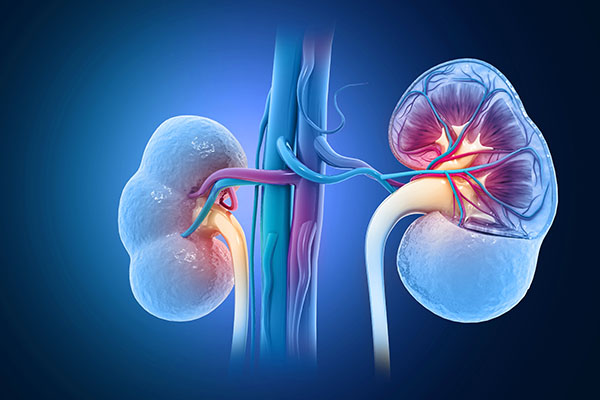
The kidney is a highly specialized organ responsible for blood filtration, fluid and electrolyte balance, metabolic waste removal, and endocrine regulation. These functions depend on coordinated interactions among glomerular, tubular, stromal, and vascular cell populations. Disruption of these cellular networks contributes to major renal disorders, including diabetic nephropathy, hypertensive nephropathy, renal fibrosis, chronic kidney disease, and kidney cancer.
Our renal cell portfolio includes podocytes, mesangial cells, glomerular endothelial cells, tubular epithelial cells, fibroblasts, tumor-associated cell models, disease-specific renal cells, and fluorescent reporter cell models. These physiologically relevant resources support studies of kidney function, renal pathology, nephrotoxicity, fibrosis, vascular biology, oncology, and therapeutic development.

Our Renal Cell Portfolio Highlights
-
Glomerular Cell Models
- Podocytes and mesangial cells
- Glomerular endothelial cells
- Models for filtration barrier and glomerular function studies
-
Tubular Epithelial Cell Models
- Proximal convoluted tubule epithelial cells
- Renal cortical and renal epithelial cells
- Models for transport, metabolism, and nephrotoxicity research
-
Disease and Advanced Renal Models
- Diabetic and hypertension-associated kidney cells
- Tumor-associated endothelial and fibroblast models
- GFP/RFP-labeled renal vascular cells

-
Kidney Disease Modeling
Study mechanisms associated with diabetic nephropathy, hypertensive nephropathy, renal injury, and chronic kidney disease progression.
-
Renal Fibrosis Research
Investigate fibroblast activation, extracellular matrix deposition, and pathways driving renal fibrogenesis.
-
Kidney Cancer Microenvironment Studies
Explore interactions among renal carcinoma cells, cancer-associated fibroblasts, and tumor-associated endothelial cells.
-
Drug Discovery & Safety Assessment
Support nephrotoxicity screening, transporter studies, target validation, and therapeutic development.
Why are podocytes critical for kidney disease research?
Podocytes are specialized epithelial cells that form an essential component of the glomerular filtration barrier. Their injury or loss is associated with proteinuria and many kidney diseases, including diabetic nephropathy and focal segmental glomerulosclerosis.
What are proximal tubule epithelial cells commonly used for?
Proximal tubule epithelial cells are widely used to study renal transport, drug uptake, nephrotoxicity, oxidative stress, metabolic regulation, and acute kidney injury.
How can renal cells support diabetic kidney disease research?
Diabetes-associated renal epithelial cells and tubular epithelial cells enable investigation of hyperglycemia-induced cellular injury, inflammatory responses, fibrosis, and disease progression.
What cell types are involved in the glomerular microenvironment?
The glomerular microenvironment is primarily composed of podocytes, mesangial cells, and glomerular endothelial cells, which work together to maintain filtration barrier integrity and kidney function.
What are kidney tumor-associated endothelial cells used for?
These cells are valuable for studying tumor angiogenesis, vascular remodeling, cancer progression, and responses to anti-angiogenic therapies within the kidney tumor microenvironment.
What advantages do GFP- and RFP-expressing renal cells provide?
Fluorescently labeled renal cells facilitate live-cell imaging, migration studies, vascular network analysis, cell tracking, and co-culture experiments requiring real-time visualization.
Can these renal cells be used to construct advanced kidney models?
Yes. Researchers frequently combine podocytes, endothelial cells, mesangial cells, fibroblasts, and tubular epithelial cells to establish co-culture systems, 3D renal models, and organ-on-chip platforms that more closely recapitulate native kidney physiology.
Filters Clear all filters
Species
- Human (797)
- Mouse (3)
- Rat (1)
Source
- Adipose (9)
- Adrenal Gland (4)
- Airway (7)
- Aorta (16)
- Artery (47)
- Bile Duct (1)
- Bladder (8)
- Blood (157)
- Bone (3)
- Bone Marrow (81)
- Brain (36)
- Breast (10)
- Bronchus (20)
- Cartilage (6)
- Chorion (2)
- Choroid (3)
- Ciliary Body (1)
- Colon (10)
- Conjunctiva (2)
- Cord Blood (24)
- Cornea (2)
- Dental Pulp (4)
- Dermis (43)
- Embryo (2)
- Endometrium (2)
- Epidermis (19)
- Esophagus (4)
- Eye (20)
- Foreskin (2)
- Gallbladder (1)
- Gingiva (2)
- Hair Follicle (5)
- Heart (14)
- Intestine (20)
- Iris (1)
- Kidney (31)
- Lens (1)
- Liver (34)
- Lung (56)
- Lymph Node (2)
- Mesentery (3)
- Nose (1)
- Oral Cavity (3)
- Ovary (10)
- Pancreas (8)
- Pancreatic Islet (1)
- Perineurium (1)
- Periodontal Ligament (2)
- Periodontium (4)
- Peripheral Blood (130)
- Peritoneal Cavity (2)
- Placenta (11)
- Prostate (8)
- Rectum (1)
- Retina (9)
- Seminal Vesicle (1)
- Skeletal Muscle (9)
- Skin (78)
- Small Intestine (5)
- Spinal Cord (1)
- Spleen (6)
- Stomach (3)
- Synovial Fluid (2)
- Synovium (8)
- Tendon (1)
- Testis (3)
- Thymus (3)
- Thyroid (4)
- Tongue (1)
- Tonsil (3)
- Tooth (4)
- Trabecular Meshwork (1)
- Trachea (6)
- Umbilical Cord (23)
- Uterus (7)
- Vas Deferens (1)
- Vein (30)
Cell Type
- Astrocyte (9)
- B Cell (22)
- Basophil (1)
- Cardiomyocyte (2)
- CD133+ Cell (6)
- CD34+ Cell (16)
- Cholangiocyte (1)
- Chondrocyte (4)
- Dendritic Cell (4)
- Endothelial Cell (133)
- Eosinophil (1)
- Epithelial Cell (84)
- Fibroblast (139)
- Glial Cell (14)
- Granule Cell (1)
- Granulocyte (3)
- Hepatic Stellate Cell (3)
- Hepatocyte (8)
- Interstitial Cell (1)
- Keratinocyte (14)
- Keratocyte (1)
- Kupffer Cell (1)
- Lymphocyte (55)
- Macrophage (4)
- Melanocyte (10)
- Meningeal Cell (1)
- Mesangial Cell (2)
- Mesothelial Cell (2)
- Microglia (1)
- Microvascular Cell (61)
- Monocyte (7)
- Mononuclear Cell (98)
- Myeloid Cell (2)
- Myoblast (5)
- Myosatellite Cell (1)
- Neuron (7)
- Neutrophil (2)
- NK Cell (5)
- Oligodendrocyte Progenitor Cell (3)
- Osteoblast (3)
- Pancreatic Stellate Cell (1)
- Pericyte (10)
- Podocyte (1)
- Preadipocyte (10)
- Progenitor Cell (4)
- Red Blood Cell (1)
- Satellite Cell (1)
- Schwann Cell (1)
- Sebocyte (1)
- Sertoli Cell (1)
- Skeletal Muscle Cell (2)
- Smooth Muscle Cell (48)
- Stromal Cell (16)
- Synoviocyte (6)
- T Cell (28)
- Tenocyte (1)
- Trabecular Meshwork Cell (1)
- Trophoblast (1)
Disease
- Acute Lymphocytic Leukemia (ALL) (15)
- Acute Myeloid Leukemia (AML) (13)
- Amyotrophic Lateral Sclerosis (ALS) (4)
- Aplastic Anemia (AA) (1)
- Arteriovenous Malformation (AVM) (1)
- Asthma (5)
- Astrocytoma (2)
- Autoimmune Hemolytic Anemia (AIHA) (1)
- Autoimmune Lymphoproliferative Syndrome (ALPS) (1)
- Breast Cancer (3)
- Cancer (121)
- Chronic Lymphocytic Leukemia (CLL) (19)
- Chronic Myeloid Leukemia (CML) (14)
- Chronic Obstructive Pulmonary Disease (COPD) (6)
- Colon Cancer (4)
- Crohn's Disease (3)
- Cystic Fibrosis (CF) (7)
- Diabetes (35)
- Diabetes Type 1 (16)
- Diabetes Type 2 (18)
- Diffuse Large B-Cell Lymphoma (4)
- Dilated Cardiomyopathy (DCM) (1)
- Duchenne Muscular Dystrophy (DMD) (5)
- Essential Thrombocythemia (ET) (1)
- Glioblastoma (3)
- Guillain-Barre Syndrome (GBS) (1)
- Hypertension (27)
- Idiopathic Thrombocytopenic Purpura (ITP) (1)
- Inflammatory Bowel Disease (IBD) (5)
- Iron-Deficiency Anemia (1)
- Kidney Cancer (3)
- Legg–Calvé–Perthes Disease (LCPD) (2)
- Leukopenia (1)
- Liver Cancer (3)
- Lung Cancer (6)
- Mantle Cell Lymphoma (MCL) (8)
- Melanoma (2)
- Mucopolysaccharidosis (2)
- Multiple Myeloma (MM) (12)
- Multiple Sclerosis (MS) (3)
- Muscular Dystrophy (MD) (1)
- Myelodysplastic Syndrome (MDS) (3)
- Neurofibromatosis (NF) (3)
- Non-Hodgkin Lymphoma (NHL) (10)
- Normal (524)
- Osteoarthritis (OA) (5)
- Ovarian Cancer (6)
- Pancreatic Cancer (1)
- Pancytopenia (1)
- Parkinson's Disease (PD) (2)
- Plasmacytoma (1)
- Polycythemia (1)
- Prostate Cancer (3)
- Psoriasis (4)
- Rheumatoid Arthritis (RA) (7)
- Robertsonian Translocation (ROB) (1)
- Sickle Cell Anemia (2)
- Systemic Lupus Erythematosus (SLE) (4)
- Thrombocytopenia (1)
- Transverse Myelitis (TM) (1)
- Ulcerative Colitis (UC) (2)
- Waldenström Macroglobulinemia (WM) (2)
Description: Creative Bioarray offers a normal human Renal Proximal Convoluted Tubule Epithelial cell system. ...
Description: HRPTEpiC from Creative Bioarray Research Laboratories are isolated from human kidney. HRPTEpiC are ...
Description: HRMC from Creative Bioarray Research Laboratories are isolated from human renal tissue. HRMC are ...
Description: Human Primary Kidney Fibroblasts are isolated from normal human kidney tissue. Human Primary Kidney ...
Description: Human Podocyte was derived from Human Kidney.
Description: Renal glomerular endothelial cells (GEC) are a specialized microvascular cell type involved in the ...
Description: Renal epithelial cells (REpiC) play a crucial role in renal function. Similar to most other ...
Description: Human Renal Cortical Epithelial Cells (HRCECs) provided by Creative Bioarray are isolated from the ...
Description: Recent research indicates cancer associated fibroblasts (CAFs) significant involvement in crucial ...
Description: The 293T cell line, originally referred as 293tsA1609neo, is a highly transfectable derivative of ...
Description: Creative Bioarray's normal Human Renal Epithelial Cells, when grown in Creative Bioarray's LIRen ...
Description: Primary Human Glomerular Microvascular Endothelial Cells were initiated by decapsulated glomeruli ...
Description: Primary Human Glomerular Mesangial Cells were initiated by elutriation of dispase dissociated ...
Description: This primary human kidney medulla fibroblasts isolate was prepared from human tissue. Medulla ...
Description: Human hypertension kidney endothelial cells from Creative Bioarray are isolated from the kidney of ...
Description: Human hypertension kidney epithelial cells are isolated from the kidney tissue of human donor that ...