PK/PD Biomarker Analysis
- Service Details
- Features
- FAQ
- Explore Other Options
Pharmacokinetic/Pharmacodynamic (PK/PD) biomarker analysis is a cornerstone of modern drug development, offering deep insights into the interplay between drug exposure (PK) and pharmacological response (PD). By integrating PK and PD biomarker data, researchers can refine dose selection, predict therapeutic outcomes, and enhance the understanding of a compound's safety and efficacy profiles.
This advanced approach evaluates the relationship between drug concentrations in biological matrices—such as plasma, tissue, or cerebrospinal fluid—and the corresponding pharmacological or biomarker responses. PK/PD biomarker analysis aids in translational research and regulatory submissions while supporting optimized clinical trial design, it also sheds light on the determinants of drug action, including species differences, and contribution of active metabolites.
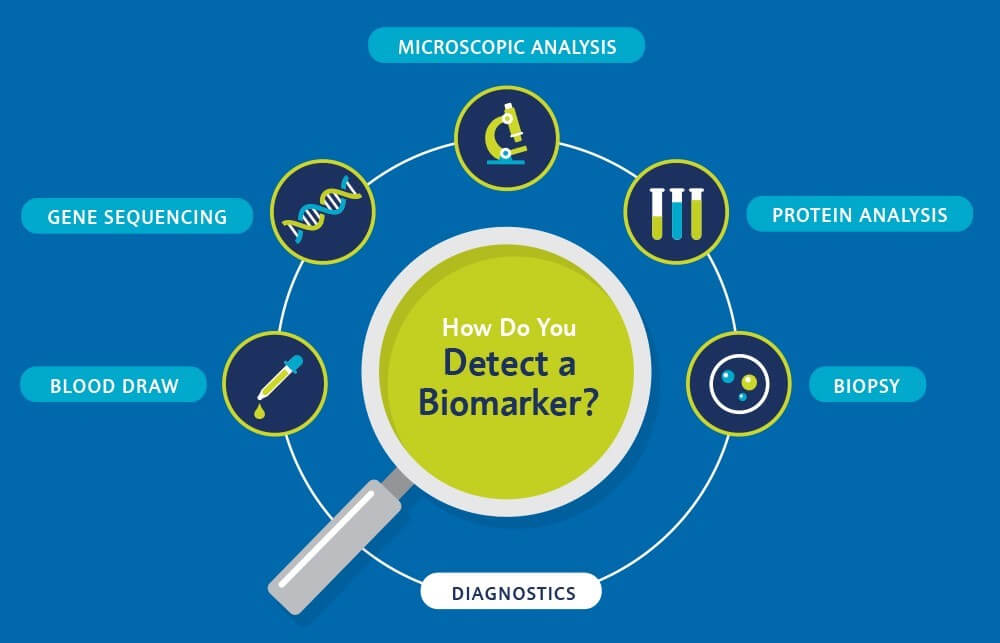
Our PK/PD Biomarker Analysis Services
Our PK/PD Biomarker analysis services encompass a broad spectrum of therapeutic areas and drug modalities, ranging from small molecules to biologics and advanced therapies. Services include:
- Sample collection & bioanalysis
- Biomarker identification & validation
- PK/PD study design & execution
- Data integration & modeling
Sample collection & bioanalysis:
- Collection of diverse biological samples (e.g., plasma, urine, tissues, CSF) under rigorously controlled protocols.
- Employment of state-of-art bioanalytical platforms, including HRMS, triple quadrupole MS/MS, and ligand-binding assays (LBA) for the accurate quantification of drugs, metabolites, and relevant biomarkers.
Biomarker identification & validation:
- Discovery and selection of efficacy, safety, and disease-related biomarkers aligned with mechanism of action.
- Development and validation of robust and sensitive analytical methods with reproducibility and long-term stability.
PK/PD study design & execution:
- Customized in vitro and in vivo study protocols tailored to project requirements.
- Execution of studies in a variety of species (rodents and non-rodents) and routes of administration with flexible dosing regimens.
Data integration & modeling:
- Integration of PK concentration data with PD biomarker readouts to construct detailed exposure–response models.
- Calculation of relevant PK/PD parameters utilizing either non-compartmental or compartmental modeling approaches.
- Employment of advanced modeling and simulation to aid in dose optimization and clinical trial design.
Key Platforms & Capabilities
- High-Resolution Mass Spectrometry (HRMS)
- Triple Quadrupole Mass Spectrometry (MS/MS)
- Ligand-Binding Assays (LBA)
- Molecular & Cellular Biomarker Profiling
- In Vivo Sampling & Biofluid Collection
- Data Integration & Modeling
Key Features

Holistic Integration
Simultaneous measurement of PK and PD markers to capture the complete drug-effect profile.

Translational Relevance
Cross-species modeling to inform clinical dose selection and predict human response.

State-of-the-Art Platforms
Advanced bioanalytical technologies including HRMS, immunoassays, and omics-based approaches.

Tailored Solutions
Flexible study designs ranging from rapid screening assays to full-scale regulatory submission packages.
FAQ
Why integrate biomarkers into PK/PD analysis?
The integration of biomarkers into PK/PD analysis delivers an enhanced understanding of drug behavior through more comprehensive data. Biomarkers can help link drug concentrations to specific biological effects, allowing you to more effectively optimize dosing regimens and dose levels, assess efficacy early on, monitor safety and understand potential adverse effects, or stratify patients based on their response to a drug.
Why is PK/PD linkage analysis necessary instead of just separate PK and PD studies?
While you can perform PK and PD studies separately, PK/PD linkage analysis is often necessary for a complete understanding of the drug's pharmacological and pharmacokinetic properties. One limitation of the separate PK/PD approach is that drug effect may not occur immediately after a dose is administered and that the relationship between drug exposure and response is not always linear. By integrating measurements of drug concentration, drug effect, and time PK/PD linkage analysis can help you more completely understand and quantify the entire dynamic process of how a drug exerts its action. This, in turn, helps you more accurately determine the optimal dose and dosing frequency that can produce the desired effect without causing adverse events or toxicity, and avoids the risk of setting doses that are too low and unlikely to work or too high that cause unacceptable toxicity.
What sample types can you analyze?
We work with plasma, serum, urine, CSF, tissue samples, and other biofluids, depending on study design and biomarker requirements.
How does PK/PD biomarker analysis specifically help in drug development?
This service can help you in drug development by:
- Optimizing Preclinical Studies: Precisely define the effective dose range in animal models which can be used as a reference for clinical trials.
- Guiding Clinical Trial Design: Help you select starting doses, dose escalation protocols, and dosing frequencies that can increase the chance of success in clinical trials.
- Support for Regulatory Submissions: Provide robust data for the explanation of a drug's efficacy and safety that supports regulatory submissions such as IND/NDA applications.
- Personalized Medicine: Help you identify subsets of patients that are most likely to respond to the drug, laying the groundwork for personalized treatment plans.
Explore Other Options