Epigenetic Induction of Cell Growth Service (Non-Viral Cell Immortalization Method)
- Overview
- Key Features
- Workflow
- Case Studies
- Explore Other Options
Creative Bioarray is offering epigenetic induction of cell growth service for the cell immortalization. With the Epigenetic Approach, we have established Immortalized Chicken Hepatocytes, Immortalized Monkey Hepatocytes (Cat No.: CSC-I2072Z), Immortalized Dog Hepatocytes and Immortalized Human T Cells (Cat No.: CSC-I2269Z), which their primary cells are very difficult to immortalize in traditional ways. From this experience, Creative Bioarray has much confidence in establishing other Immortalized immune cells (e.g. nature killer cells, Dendritic Cells, CD4+ CD8+ T Cells).
The Epigenetic Induction of Cells Growth is a great method to establish immortalized cell lines that are hard to immortalize in other methods:
| Immortalized Cell Line from Creative Bioarray | Publications Successfully Immortalizing with Other Methods (Yes/No) | Successful Immortalization Using Epigenetic Induction of Cells Growth (Yes/No) |
| Immortalized Chicken Hepatocytes | No | Yes |
| Immortalized Monkey Hepatocytes | No | Yes |
| Immortalized Dog Hepatocytes | No | Yes |
| Immortalized Human T Cells | No | Yes |
Key Features
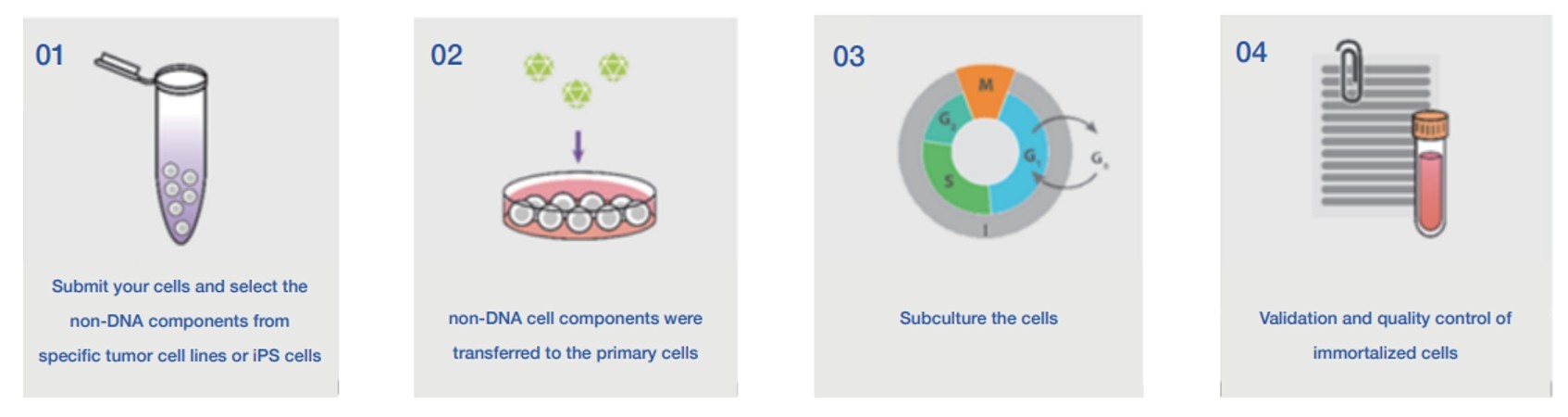
- No viral genes
- No whole cell fusion like the production of hybridoma cell lines
- Transfer of only non-DNA components
- Human and animal cell lines
- Continuous growth of cell lines
Work Flow
Case Studies
Case 1: Human T Cell Immortalization
In 2023, we established Immortalized Human T Cells using Epigenetic Approach successfully. Immortalized human T cells from Creative Bioarray can be cultured continuously for 20 passages.
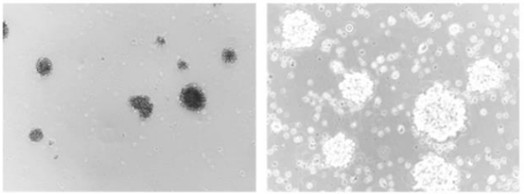 Figure 1. Immortalizing human T cells by Epigenetic Induction of Cell Growth. Growing T cells at Day 2 after stimulation. NOTE: Non fused control T cells can be cultured in the same conditions for 2 weeks before showing deteriorating cell growth.
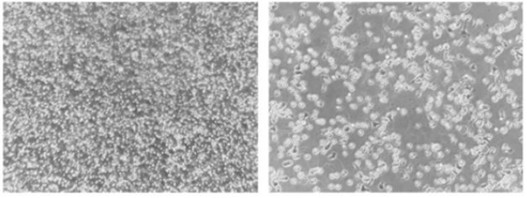 Figure 2. Immortalizing human T cells by Epigenetic Induction of Cell Growth. Growing T cells at week 3 after stimulation.
Case 2: Monkey Hepatocyte Immortalization
We established Immortalized Monkey Hepatocytes using Epigenetic Approach. Immortalized Monkey Hepatocytes from Creative Bioarray can be cultured continuously for 20 passages.
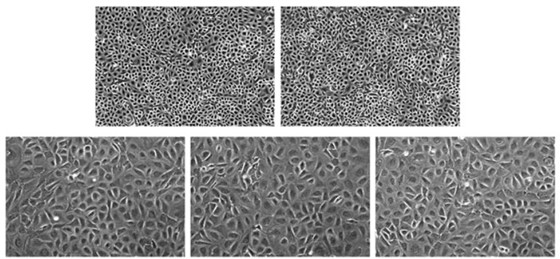 Figure 3. Morphology of Immortalized Cynomolgus Monkey Hepatocytes
Case 3: Chicken Hepatocyte Immortalization
At first, we began using Lentiviral transfection of hTert-P53 siRNA under the control of Dox (Tet-on system) to generate Immortalized Chicken Hepatocytes as the client requested. Unfortunately, after 3 weeks of selection culture, no cells were able to survive the selection process. Then we utilized Epigenetic induction of Cell Growth, and the immortalized chicken hepatocytes were successfully passaged 20 times.
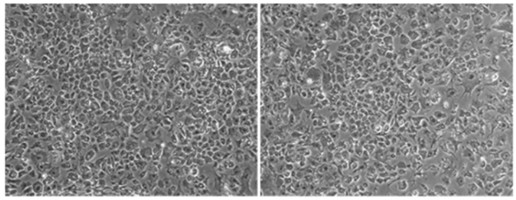 Figure 4. Morphology of Immortalized Chicken Hepatocytes
Quotation and Ordering
Our customer service representatives are available 24hr a day! We thank you for considering Creative Bioarray as your Epigenetic Induction of Cell Growth Service partner.
Explore Other Options