
Chicken Primary Cells
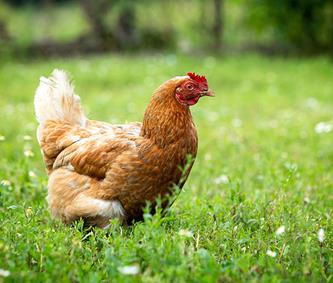
Chicken models have played a central role in developmental biology, embryology, virology, agricultural science, and comparative physiology for decades. Due to their well-characterized embryonic development, rapid growth, and economic importance in poultry production, chicken primary cells provide valuable tools for investigating tissue differentiation, organ development, host-pathogen interactions, and nutritional physiology.
Our chicken primary cell portfolio includes epithelial cells, neurons, cardiomyocytes, fibroblasts, chondrocytes, skeletal muscle cells, adipogenic cells, and embryonic tissue-derived models. These physiologically relevant cell systems support applications in poultry health research, developmental biology, regenerative studies, infectious disease research, and agricultural biotechnology.

8 +
Distinct Tissue
Origins

100 %
Mycoplasma-Free
Tested

4 +
Major Biological
Systems Covered
Filter By:
Our Chicken Primary Cell Portfolio Highlights

Diverse Avian Cell Resources
Our collection encompasses key cell populations from embryonic, musculoskeletal, nervous, epithelial, and connective tissues.
-
Embryonic & Developmental Cell Models
- Gallus embryonic fibroblasts (GEFs)
- Gallus embryonic kidney epithelial cells
- Gallus embryonic cardiomyocytes
- Gallus fetal dermal fibroblasts
-
Musculoskeletal Cell Models
- Chicken skeletal muscle cells
- Chicken preadipocytes
- Gallus articular chondrocytes
-
Specialized Organ-Derived Cells
- Tracheal epithelial cells
- Small intestinal epithelial cells
- Cortical neurons

Applications in Poultry & Life Science Research
These avian primary cells support studies ranging from embryonic development and animal nutrition to infectious disease and tissue biology.
-
Developmental Biology Studies
Investigate cellular differentiation, organogenesis, tissue morphogenesis, and embryonic signaling pathways using established avian developmental models.
-
Poultry Nutrition & Growth Research
Explore mechanisms regulating muscle development, adipogenesis, nutrient metabolism, and production-related traits.
-
Respiratory & Enteric Disease Research
Utilize epithelial cell models to study host-pathogen interactions, barrier function, and responses to infectious agents.
-
Comparative Physiology & Translational Studies
Support cross-species investigations of conserved cellular mechanisms and tissue-specific biological functions.
Why are chicken cells commonly used in developmental biology research?
The chicken is a well-established model organism for studying embryogenesis and organ development. Chicken primary cells help researchers investigate cellular differentiation, tissue formation, and developmental signaling pathways.
What are Gallus embryonic fibroblasts commonly used for?
Gallus embryonic fibroblasts are widely utilized in virology, developmental biology, transfection studies, gene expression analyses, and host-pathogen interaction research.
How can chicken intestinal epithelial cells support poultry research?
These cells provide useful models for studying nutrient absorption, intestinal barrier function, gut health, feed additives, and enteric pathogen responses.
What applications are supported by chicken skeletal muscle cells and preadipocytes?
They are frequently used to investigate muscle growth, fat deposition, meat quality traits, metabolic regulation, and nutritional interventions relevant to poultry production.
Why are chicken tracheal epithelial cells valuable in infectious disease studies?
As primary components of the respiratory tract barrier, these cells are useful for studying avian respiratory pathogens, epithelial defense mechanisms, and host immune responses.
Can chicken primary cells be used for comparative biology research?
Yes. Chicken cells are frequently incorporated into comparative studies to evaluate conserved developmental pathways, physiological processes, and species-specific biological characteristics.