
Bovine Primary Cells
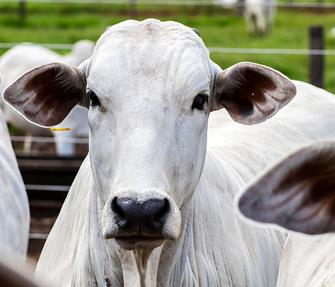

Cattle represent one of the most important large-animal species in agricultural, veterinary, nutritional, and translational biomedical research. Bovine primary cells provide physiologically relevant in vitro models for studying metabolism, growth, reproduction, immunity, tissue development, and organ-specific functions. Due to their similarities to human physiology in selected systems and their significance in livestock science, bovine cells are widely used in both basic and applied research.
Our bovine primary cell portfolio includes epithelial cells, endothelial cells, fibroblasts, progenitor cells, skeletal muscle cells, adipogenic cells, and specialized tissue-derived models from multiple organs. These resources support studies in animal health, livestock production, developmental biology, regenerative medicine, nutrition science, and preclinical research.

10 +
Tissue Sources
Represented

100 %
Mycoplasma-Free
Tested

20 +
Primary Cell
Models Available
Filter By:
Our Bovine Primary Cell Portfolio Highlights

Diverse Tissue-Derived Cell Resources
Our bovine cell collection covers major organ systems and physiologically important cell populations relevant to veterinary and agricultural research.
-
Metabolic & Growth-Related Cells
- Bovine skeletal muscle cells
- Bovine preadipocytes
- Muscle-derived fibro-adipogenic progenitor cells
- Bovine chondrocytes
-
Epithelial & Organ-Specific Cells
- Mammary, rumen, intestinal, and endometrial epithelial cells
- Thymus and parathyroid gland-derived cells
- Corneal endothelial cells
-
Vascular & Stromal Cell Models
- Aortic and brain microvascular endothelial cells
- Liver and lung fibroblasts
- Hepatic stellate cells
- Fluorescently labeled endothelial cell models

Applications in Agricultural & Biomedical Research
These bovine primary cells support studies spanning livestock science, veterinary medicine, physiology, and translational research.
-
Animal Nutrition & Metabolism Research
Investigate adipogenesis, muscle development, nutrient utilization, and metabolic regulation relevant to livestock production.
-
Dairy & Mammary Biology Studies
Utilize mammary epithelial cells to explore lactation biology, mammary gland function, and milk production mechanisms.
-
Developmental & Reproductive Biology
Support studies of tissue development, reproductive physiology, embryonic growth, and endocrine regulation.
-
Comparative & Translational Research
Evaluate cellular pathways, tissue responses, and biological processes across species using physiologically relevant bovine models.
Why are bovine primary cells widely used in agricultural research?
Bovine cells provide physiologically relevant models for studying growth performance, feed efficiency, tissue development, lactation biology, and animal health, making them valuable tools for livestock science.
What applications are supported by bovine skeletal muscle cells and preadipocytes?
These cells are commonly used to investigate muscle growth, adipogenesis, meat quality traits, metabolic regulation, and cellular responses to nutritional interventions.
Why are bovine rumen epithelial cells important?
The rumen is a unique digestive organ in ruminants. Rumen epithelial cells are frequently used to study nutrient absorption, rumen physiology, microbial-host interactions, and feed-related metabolic processes.
How are bovine mammary epithelial cells used in dairy research?
Bovine mammary epithelial cells support investigations of milk synthesis, lactation regulation, mammary gland development, and factors influencing dairy production performance.
What advantages do fluorescently labeled bovine endothelial cells provide?
GFP- and RFP-expressing endothelial cells enable visualization of angiogenesis, migration, barrier integrity, and vascular network formation in real-time imaging experiments.
Can bovine primary cells be used in comparative biology studies?
Yes. Bovine primary cells are frequently used alongside human and other animal-derived cells to investigate conserved biological pathways, species-specific responses, and translational research questions.