
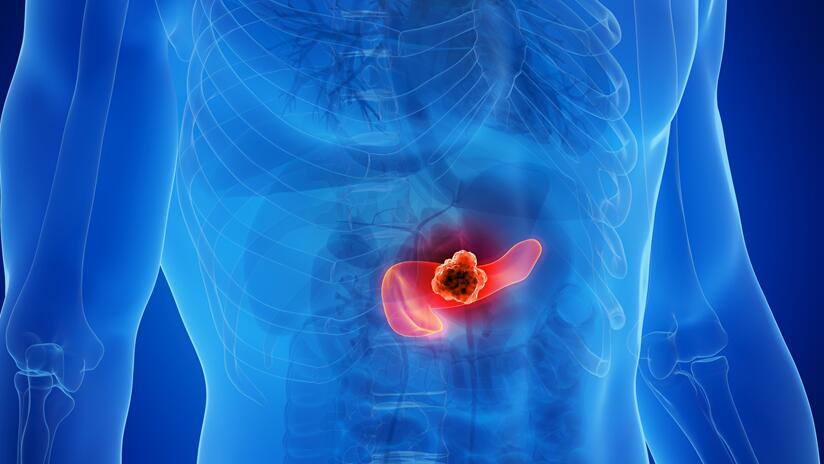
Pancreatic Tumor Cells
Pancreatic cancer, particularly pancreatic ductal adenocarcinoma (PDAC), is one of the most lethal malignancies due to its aggressive nature, late diagnosis, and profound therapy resistance. Our collection of pancreatic tumor cell lines provides a critical in vitro toolbox for unraveling the complex biology of this disease.
This comprehensive selection includes models spanning various genetic backgrounds (KRAS, TP53, CDKN2A, SMAD4 mutations), histologic subtypes, and disease stages—from classic lines like MIA PaCa-2 and BxPC-3 to patient-derived models such as the HUP-T series. These cell lines enable research into tumor-stroma interactions, metabolic reprogramming, metastasis, and mechanisms of resistance to chemotherapy and targeted agents.
Genetically Diverse Patient-Derived Therapy-Relevant Validated
Key Features & Expertise
Our pancreatic tumor cell lines are characterized to support translational and mechanistic research

Broad Spectrum of Models
- Comprehensive coverage of PDAC, including classic (MIA PaCa-2, PANC-1) and patient-derived (HUP-T, PA-TU) lines
- Models with key driver mutations: KRAS, TP53, CDKN2A, and SMAD4
- Includes lines with varying metastatic potential and drug sensitivity profiles

Molecular & Functional Profiling
- Characterized for common genetic alterations and signaling pathways (e.g., MAPK, PI3K)
- Documented responses to standard chemotherapies and targeted agents
- Suitable for 2D, 3D spheroid, and co-culture studies with cancer-associated fibroblasts (CAFs)

Quality-Assured for Reproducibility
- STR-authenticated to ensure genetic identity and prevent misidentification
- Routinely tested and certified mycoplasma-free
- Supplied with detailed characterization data and culture protocols for reliable experimentation
FAQ
What are the key genetic differences between common pancreatic cancer cell lines like MIA PaCa-2, PANC-1, and BxPC-3?
These lines represent distinct genetic profiles. MIA PaCa-2 harbors KRAS and TP53 mutations. PANC-1 also has KRAS and TP53 mutations, but is more mesenchymal and invasive. BxPC-3 is unique as it is KRAS wild-type but has mutations in TP53, CDKN2A, and SMAD4. This genetic diversity allows researchers to select models that best match their study focus, whether on KRAS-driven signaling or alternative pathways.
Which cell lines are suitable for studying gemcitabine resistance?
Many pancreatic cancer cell lines exhibit intrinsic or can develop acquired resistance to gemcitabine. Models like MIA PaCa-2 and PANC-1 are often used to study resistance mechanisms. Additionally, derivatives with selected resistance (e.g., MIA PaCa-2/GEMR) or patient-derived lines from treated patients can be valuable for modeling clinical therapy failure.
Do you have models for studying the tumor microenvironment or metastasis?
Yes. Several lines in our collection, such as the SUIT-2 series (with varying metastatic potential) and the KP series, are well-established for studying invasion and metastasis. For tumor-stroma interactions, lines that form dense 3D spheroids or co-culture well with fibroblasts (like PANC-1) are excellent choices.
What is the difference between the PA-TU-8988S and PA-TU-8988T lines?
These are a paired set of cell lines derived from the same patient. PA-TU-8988S is from the primary tumor, while PA-TU-8988T is from a metastatic lesion. This pairing is particularly useful for comparative studies investigating the molecular changes associated with metastatic progression.
Are there KRAS wild-type pancreatic cancer cell lines available?
Yes. BxPC-3 is a classic example of a KRAS wild-type pancreatic cancer cell line. It is valuable for studying pancreatic tumors that are driven by alternative pathways, as well as for evaluating therapies that target non-KRAS dependencies.
How are the cell lines authenticated and quality-controlled?
All cell lines undergo STR (Short Tandem Repeat) profiling to confirm their unique genetic identity and rule out cross-contamination—a critical step given the history of cell line misidentification. They are also routinely screened and certified to be free of mycoplasma and other common contaminants to ensure experimental integrity.
What is the recommended culture medium for these pancreatic cancer cell lines?
Most pancreatic cancer cell lines are cultured in DMEM or RPMI-1640 supplemented with 10% FBS. However, specific requirements can vary. For example, some patient-derived lines may require specialized media. Detailed, cell line-specific culture protocols are provided with each product to ensure optimal growth.