
Fish Tumor Cells

Fish tumour cells are valuable and unique models for comparative oncology, environmental toxicology and aquatic pathology. These piscine cell lines represent a valuable tool for the study of spontaneous and chemically-induced neoplasms of aquatic species, sharing similarities with vertebrate carcinogenesis, and overcoming specific challenges in aquaculture health and environmental monitoring.

Our specialized collection encompasses fish tumour cell lines obtained from species such as medaka, goldfish, trout, and salmon. These models are useful for studies of viral oncogenesis, chemical carcinogenesis and species-specific tumour biology and have applications ranging from basic mechanisms of cancer to applied disease management in aquaculture.

Aquatic Models Comparative Oncology Environmental Toxicology Species Diversity
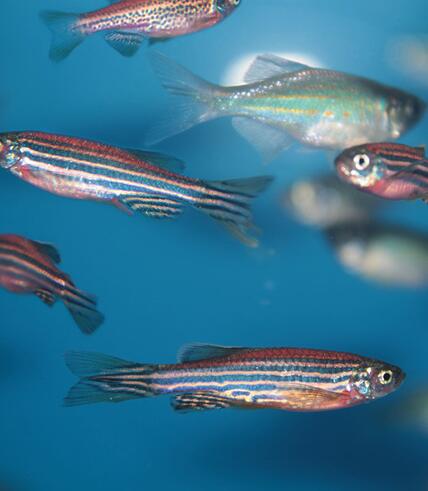
Illustration of fish anatomy or fish tumor histology
Product List

Key Features & Expertise

Specialized fish tumor models for aquatic research

Aquatic Models Icon

Diverse Aquatic Species Representation

  • Cell lines from multiple fish species including medaka, goldfish, trout, and salmon
  • Models for both tumorigenic and non-tumorigenic fish cell research
  • Supports comparative studies across different aquatic organisms

Toxicology Icon

Environmental Carcinogenesis Research

  • Ideal models for studying chemical and pollutant-induced tumorigenesis
  • Tools for environmental toxicology and water quality monitoring
  • Supports aquaculture health and food safety research

Oncology Icon

Comparative Cancer Biology Platforms

  • Models for studying conserved and divergent cancer pathways in vertebrates
  • Supports basic research on tumor initiation and progression mechanisms
  • Bridges aquatic and mammalian oncology research

FAQ

What makes fish tumor cells valuable for cancer research?

Fish tumour cells have many unique advantages: 1) They are used as biological indicators for environmental carcinogens and as indicators of ecosystem health. 2) They are models for the study of spontaneous tumours in polkilothermic vertebrates. 3) Multigenerational studies are easy in many fish species since they have short generation times. 4) They provide inexpensive models for high-throughput screening of carcinogens or chemopreventive agents.

What kinds of fish do you have in your tumour cell collection?

Our collection includes cell lines from several economically important fish species: 1) Medaka (Japanese rice fish) – Established models for cancer research. 2) Goldfish – models of pigment cell tumours and other neoplasms. 3) Salmonids (trout, salmon) - important for aquaculture health, environmental toxicology. 4) Other tumour model characterised in another teleost species.

How are fish tumor cells used in environmental monitoring?

Fish tumour cells as bioindicators of the health of aquatic ecosystems: 1) They can be used to evaluate the carcinogenic potential of water pollutants and industrial effluents. 2) They are used as in vitro models for investigation of mechanisms of chemical carcinogenesis. 3) They provide insight into environmental factors contributing to wild fish tumour epizootics. 4) They aid regulatory toxicology and risk assessment of aquatic toxicants.

Can fish tumor cell lines be used for aquaculture disease research?

Yes, these cell lines have direct applications in aquaculture: 1) They provide a tool to investigate viral and bacterial pathogens that may cause or co-exist with tumours in farmed fish. 2) They are supporting the development of diagnostics for neoplastic diseases in aquaculture species. 3) They provide for research on nutritional and environmental factors affecting tumour incidence in captive fish populations. 4) They contribute to the development of health management strategies for aquaculture operations.

How do culture conditions for fish tumor cells differ from mammalian cells?

Fish tumor cells typically require: 1) Lower incubation temperatures (often 20-28°C depending on species). 2) Media formulations optimized for polkilothermic cells. 3) Sometimes specialized supplements reflecting aquatic physiology. 4) Potentially different gas exchange requirements. However, many established fish cell lines adapt well to standard laboratory conditions with appropriate temperature optimization. Detailed protocols are provided for each cell line.

Filters Clear all filters

Species

  • African clawed frog (1)
  • American mink (1)
  • Asian tiger mosquito (1)
  • Atlantic salmon (1)
  • Bluegill (2)
  • Bluestriped grunt (1)
  • Bovine (7)
  • Brazilian free-tailed bat (1)
  • Brown bullhead (2)
  • Cabbage looper (1)
  • Cabbage moth (6)
  • Cat (3)
  • Central mudminnow (1)
  • Chicken (3)
  • Chinese hamster (5)
  • Chinook salmon (2)
  • Chum salmon (1)
  • Coho salmon (1)
  • Common carp (2)
  • Cotton-top tamarin (1)
  • Dog (2)
  • Fall armyworm (3)
  • Fathead minnow (2)
  • Fruit fly (1)
  • Gilthead sea bream (2)
  • Golden hamster (7)
  • Goldfish (6)
  • Gray dwarf hamster (1)
  • Green monkey (2)
  • Gypsy moth (1)
  • Horse (1)
  • Japanese eel (1)
  • Japanese rice fish (7)
  • Koi carp (1)
  • Mouse (310)
  • Mouse x Gray dwarf hamster (1)
  • Mouse x Rat (20)
  • Northern pike (1)
  • Pig (3)
  • Rabbit (2)
  • Rainbow trout (3)
  • Rat (114)
  • Rhesus macaque (1)
  • Salt marsh moth (1)
  • Sheep (2)
  • Snakehead murrel (2)
  • Sockeye salmon (1)
  • Vervet monkey (2)
  • Zebrafish (2)

Source

  • Abdomen (1)
  • Adipose (2)
  • Adrenal Gland (1)
  • Aorta (4)
  • Artery (1)
  • Ascites (5)
  • Ascites Metastasis (5)
  • Bladder (11)
  • Bladder Metastasis (1)
  • Blastocyst (1)
  • Blastula (1)
  • Blood (7)
  • Bone (6)
  • Bone Marrow (14)
  • Brain (24)
  • Brain Metastasis (1)
  • Breast (22)
  • Caudal Peduncle (1)
  • Caudal Trunk (2)
  • Colon (6)
  • Connective Tissue (7)
  • Dermis (1)
  • Embryo (29)
  • Fetus (2)
  • Fin (9)
  • Glomerulus (2)
  • Head Kidney (2)
  • Heart (4)
  • Hemolymph (1)
  • Ileum (1)
  • Intestine (9)
  • Jejunum (1)
  • Kidney (18)
  • Liver (22)
  • Lung (16)
  • Lymph Node (2)
  • Lymph Node Metastasis (1)
  • Muscle (3)
  • Ovary (8)
  • Pancreas (9)
  • Peripheral Blood (7)
  • Peripheral Nervous System (21)
  • Pituitary Gland (7)
  • Prostate (3)
  • Rectum (2)
  • Skeletal Muscle (4)
  • Skin (10)
  • Small Intestine (3)
  • Smooth Muscle (2)
  • Soft Tissue (1)
  • Spinal Cord (2)
  • Testis (6)
  • Thymus (5)
  • Thyroid Gland (1)
  • Trachea (1)
  • Uterus (1)

Disease

  • Bovine Leukemia (2)
  • Canine Histiocytic Sarcoma (1)
  • Chicken Bursal Lymphoma (2)
  • Goldfish Erythrophoroma (4)
  • Hamster Kidney Tumor (1)
  • Hamster Pancreatic Ductal Adenocarcinoma (1)
  • Hamster Uterine Leiomyosarcoma (1)
  • Medaka Hepatoma (2)
  • Mouse Bladder Transitional Cell Carcinoma (1)
  • Mouse Chondrosarcoma (1)
  • Mouse Colon Adenocarcinoma (3)
  • Mouse Ependymoma (2)
  • Mouse Erythroid Leukemia (13)
  • Mouse Fibrosarcoma (5)
  • Mouse Glioblastoma (1)
  • Mouse Hemangioendothelioma (1)
  • Mouse Hepatocellular Carcinoma (1)
  • Mouse Insulinoma (3)
  • Mouse Islet Cell Adenoma (1)
  • Mouse Kidney Carcinoma (1)
  • Mouse Leukemia (10)
  • Mouse Leydig Cell Tumor (1)
  • Mouse Lymphoma (8)
  • Mouse Mammary Gland Malignant Neoplasm (21)
  • Mouse Melanoma (9)
  • Mouse Multiple Myeloma (5)
  • Mouse Myeloid Leukemia (3)
  • Mouse Neoplasm (1)
  • Mouse Neuroblastoma (21)
  • Mouse Oral Cavity Squamous Cell Carcinoma (1)
  • Mouse Osteosarcoma (3)
  • Mouse Pituitary Gland Neoplasm (1)
  • Mouse Precursor T Cell Lymphoblastic Lymphoma/Leukemia (2)
  • Mouse Pulmonary Adenoma (1)
  • Mouse Pulmonary Malignant Tumor (3)
  • Mouse Pulmonary Squamous Cell Carcinoma (1)
  • Mouse Rectum Carcinoma (2)
  • Mouse Reticulum Cell Sarcoma (2)
  • Mouse Sarcoma (1)
  • Mouse Teratocarcinoma (8)
  • Mouse Thymic Lymphoma (3)
  • Rat C-Cell Carcinoma (1)
  • Rat Cholangiocarcinoma (1)
  • Rat Colon Adenocarcinoma (5)
  • Rat Digestive System Neoplasm (1)
  • Rat Fibrosarcoma (1)
  • Rat Hepatocellular Carcinoma (20)
  • Rat Histiocytic Sarcoma (1)
  • Rat Insulinoma (2)
  • Rat Leukemia (1)
  • Rat Leydig Cell Adenoma (1)
  • Rat Lung Carcinoma (1)
  • Rat Malignant Glioma (4)
  • Rat Malignant Meningioma (1)
  • Rat Malignant Oligodendroglioma (2)
  • Rat Malignant Thymoma (3)
  • Rat Mammary Gland Adenocarcinoma (10)
  • Rat Neuroblastoma (3)
  • Rat Osteosarcoma (2)
  • Rat Pituitary Gland Neoplasm (6)
  • Rat Prostate Adenocarcinoma (3)
  • Rat Rhabdomyosarcoma (1)
  • Rat Sarcoma (2)
  • Rat Squamous Cell Carcinoma (1)
  • Rat Urinary Bladder Transitional Cell Carcinoma (2)
  • Rat Urinary System Neoplasm (6)

Description: The ABSa15 cell line is derived from the calcified branchial arches of a gilthead seabream and is ...

Cat#: CSC-C9036H INQUIRY
BB
BB

Description: Derived from the trunk tissue (excluding fins) of a 2 year old Brown Bullhead fish. These cells ...

Cat#: CSC-C9037H INQUIRY

Description: Derived from a trypsinised suspension of pooled caudal portions of the trunk of one year old ...

Cat#: CSC-C9038H INQUIRY
CAR
CAR

Description: The cells support the growth of grunt fin agent with CPE at 20°C and 25°C. Also susceptible to ...

Cat#: CSC-C9041H INQUIRY
CCB
CCB

Description: The CCB cell line was developed from Common carp (Cyprinus carpio carpio) brain.

Cat#: CSC-C9042H INQUIRY
CCO
CCO

Description: CCO was established from the ovaries of a healthy, juvenile channel catfish, Ictalurus punctatus. ...

Cat#: CSC-C9043H INQUIRY

Description: Established from normal heart tissue from a juvenile Onchorhynchus tshawytscha (Chinook salmon). ...

Cat#: CSC-C9044H INQUIRY

Description: The fish line CHSE/F was derived from Common bluegill (Lepomis macrochirus) embryo. It is ...

Cat#: CSC-C9045H INQUIRY
CLC
CLC

Description: The cell line CLC (Carp Leukocyte Culture) was established from peripheral blood mononuclear cells ...

Cat#: CSC-C9047H INQUIRY

Description: The fish cell line CSE-119 was initiated in 1963 from pooled embryos of Coho salmon (Oncorynchus ...

Cat#: CSC-C9048H INQUIRY

Description: E11 is a clone of the cell line SSN-1 and is persistantly infected with a C-type retrovirus (SnRV). ...

Cat#: CSC-C9049H INQUIRY
EPC
EPC

Description: This cell line known as Epithelioma papulosum cyprini (EPC) was originally reported to be from Carp ...

Cat#: CSC-C9050H INQUIRY
FHM
FHM

Description: Derived from tissue posterior to the anus of normal adult minnows. Reported to be capable of growth ...

Cat#: CSC-C9051H INQUIRY

Description: Derived from fin tissue of the adult salt water blue striped Grunt. Does not support the ...

Cat#: CSC-C9052H INQUIRY

Description: The hepatocyte cell line Hepa-E1 was derived from water eel. The cells show no contact inhibition ...

Cat#: CSC-C9053H INQUIRY
KF1
KF1

Description: The KF1 cell line was developed from Koi carp (Cyprinus carpio koi) fin.

Cat#: CSC-C9054H INQUIRY
PG
PG

Description: The fish cell line PG has been initiated 1976 from ovarian tissue of 5 juvenile pike (Esox lucius). ...

Cat#: CSC-C9055H INQUIRY

Description: From pooled male/female gonad tissue of yearling rainbow trout (Oncorhynchus mykiss). First cell ...

Cat#: CSC-C9056H INQUIRY

For research use only. Not for any other purpose.