
4T1
Cat.No.: CSC-C9078W
Species: Mus musculus (Mouse)
Source: Breast
Morphology: Epithelial
- Specification
- Background
- Scientific Data
- Q & A
- Customer Review
The 4T1 mammary carcinoma cell line, originally derived from a spontaneously arising mammary tumor in a BALB/c mouse, is a widely used murine model of triple-negative breast cancer (TNBC). Its defining advantage is the capacity to spontaneously metastasize from the primary mammary fat pad to clinically relevant distant sites—predominantly lung, liver, bone, and brain—faithfully recapitulating the full metastatic cascade observed in human stage IV breast cancer.
Unlike xenograft models that require immunocompromised hosts, 4T1 cells are syngeneic to BALB/c mice, enabling tumor growth and metastasis in fully immunocompetent animals. This preserves an intact tumor-immune microenvironment and makes the model exceptionally valuable for evaluating immunotherapies, including immune checkpoint inhibitors and cancer vaccines. The cells lack estrogen receptor, progesterone receptor, and HER2 expression, representing the aggressive basal-like subtype that is notoriously difficult to treat. Furthermore, well-characterized 4T1 variants stably expressing luciferase or fluorescent reporters allow non-invasive, longitudinal in vivo monitoring of primary tumor burden and metastatic dissemination with high sensitivity. Combined with their robust in vitro growth and highly reproducible in vivo behavior, 4T1 cells provide a rigorous, translationally relevant platform for dissecting mechanisms of invasion, metastasis, immune evasion, and for preclinical drug screening. These attributes establish 4T1 as an indispensable syngeneic tool for bridging mechanistic studies with complex tumor biology.
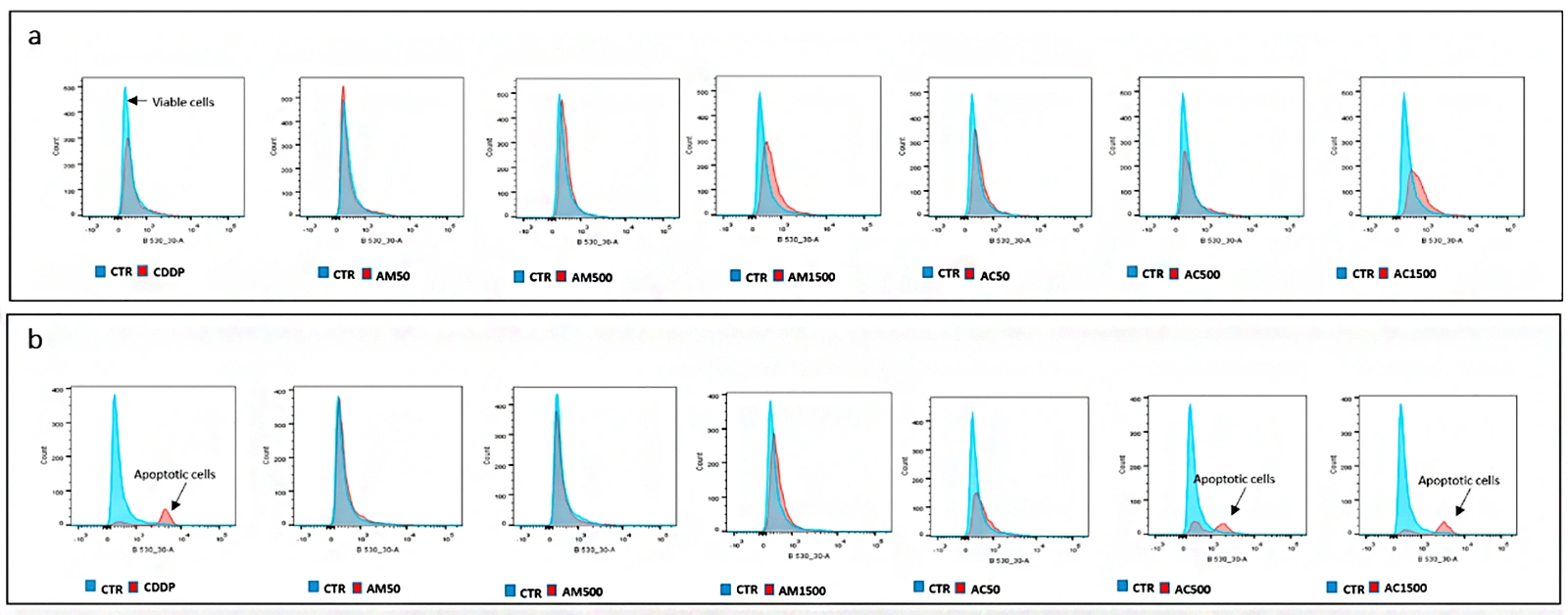
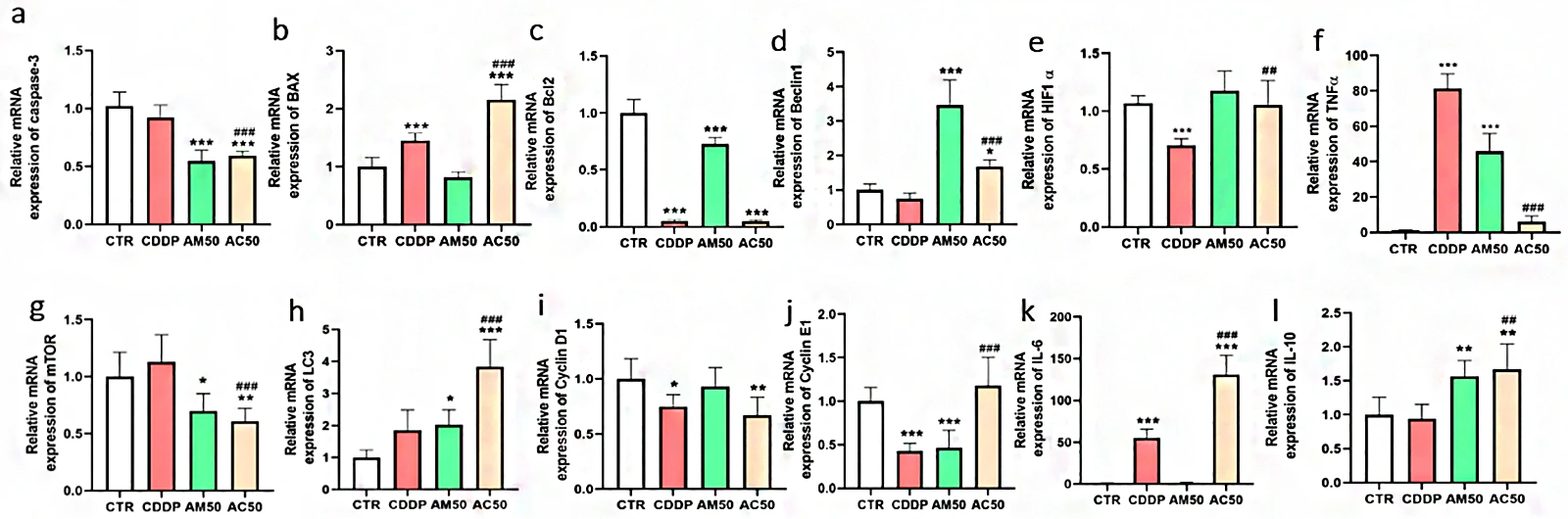
Synergistic Anticancer Activity of Annona muricata Leaf Extract and Cisplatin in 4T1 Triple-Negative Breast Cancer Cells
Breast cancer remains one of the leading causes of cancer-related mortality among women worldwide. Although cisplatin is widely used in chemotherapy, its clinical efficacy is often limited by adverse effects and resistance. Thus, natural bioactive compounds are gaining attention as complementary therapeutic agents. This study aimed to evaluate the anti-tumor effects of Annona muricata leaf extract on murine breast cancer 4T1 cells, used alone or in combination with cisplatin.
Annona muricata leaf extract triggered autophagy-mediated 4T1 cell death through mainly mTOR down-regulation and increased expression of Beclin1 and LC3 genes. It also induced cell cycle arrest at sub-G1 and S phases in a concentration- and time-dependent manner. When, combined with cisplatin, Annona muricata extract shifts the cell death pathway from intrinsic apoptosis toward autophagy by reduced caspase-3 gene expression and activity and enhanced LC3-I to LC3-II conversion. Moreover, Annona muricata extract attenuated cisplatin-induced inflammation by inhibiting TNFα and IL-6 gene expression and reinforced cell cycle arrest through suppression of the cyclin D1 gene. In conclusion, these results suggest that Annona muricata leaf extract exerts significant anti-tumor activity in breast cancer cells and may enhance cisplatin efficacy by shifting the signaling pathway from intrinsic apoptosis toward autophagy, and attenuating inflammation-related effects, supporting its potential use as a complementary therapeutic strategy.
Ask a Question
Write your own review
- You May Also Need
Description: Described as secreting a mouse monoclonal antibody (IgG2a) detecting all fibers in skeletal muscle and myosin heavy chains on Western blots and detecting mammalian, chicken, zebrafish, axolotl, ...
Description: Animals were immunized with the B6.1 mouse cytotoxic T cell line.
Description: neuroglial and neuronal character coexpressing ependymoma cell line.
Description: Established by irradiation of the adherent cells in long-term bone marrow cultures derived from C3H/HeNSlc strain mice
- Adipose Tissue-Derived Stem Cells
- Human Neurons
- Mouse Probe
- Whole Chromosome Painting Probes
- Hepatic Cells
- Renal Cells
- In Vitro ADME Kits
- Tissue Microarray
- Tissue Blocks
- Tissue Sections
- FFPE Cell Pellet
- Probe
- Centromere Probes
- Telomere Probes
- Satellite Enumeration Probes
- Subtelomere Specific Probes
- Bacterial Probes
- ISH/FISH Probes
- Exosome Isolation Kit
- Human Adult Stem Cells
- Mouse Stem Cells
- iPSCs
- Mouse Embryonic Stem Cells
- iPSC Differentiation Kits
- Mesenchymal Stem Cells
- Immortalized Human Cells
- Immortalized Murine Cells
- Cell Immortalization Kit
- Adipose Cells
- Cardiac Cells
- Dermal Cells
- Epidermal Cells
- Peripheral Blood Mononuclear Cells
- Umbilical Cord Cells
- Monkey Primary Cells
- Mouse Primary Cells
- Breast Tumor Cells
- Colorectal Tumor Cells
- Esophageal Tumor Cells
- Lung Tumor Cells
- Leukemia/Lymphoma/Myeloma Cells
- Ovarian Tumor Cells
- Pancreatic Tumor Cells
- Mouse Tumor Cells