Female Reproductive Cells

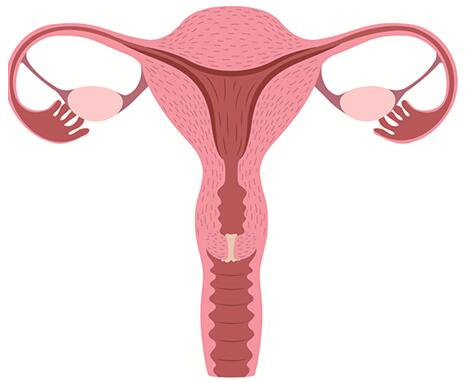
The female reproductive system cells are comprised of native and tumor-associated human cells from major reproductive tissues such as placenta, ovary, uterus, and related stromal and vascular compartments. Collectively, these cells make up the complex cellular ecosystem that underpins reproduction, hormonal control, tissue remodeling and immunological tolerance during pregnancy.

Our Female Reproductive Cells portfolio offers physiologically relevant and disease-associated in vitro models for the study of reproductive biology, placental development, endometrial function, ovarian physiology, tumor microenvironment interactions and the course of gynaecological cancer.

Product List

Our Female Reproductive Cell Portfolio Highlights

Comprehensive Reproductive Cell Resources

Our portfolio covers major cellular components involved in ovarian function, uterine biology, placental development, and reproductive tissue homeostasis.

  • Ovarian and Endometrial Cell Models
    • Ovarian epithelial, stromal, fibroblast, and endothelial cells
    • Endometrial epithelial cells and menstrual-derived cells
    • Models supporting reproductive physiology and disease studies
  • Placental and Maternal-Fetal Interface Cells
    • Human villous trophoblasts
    • Villous mesenchymal fibroblasts
    • Amniotic epithelial cells
  • Gynecologic Oncology Models
    • Ovarian carcinoma epithelial cells
    • Tumor-associated fibroblasts and endothelial cells
    • Metastatic ovarian cancer-associated cell models

Reproductive and Women's Health Research Support

We support studies spanning reproductive physiology, pregnancy biology, gynecologic diseases, and tumor microenvironment research.

  • Maternal-Fetal Biology Studies

    Suitable for investigating trophoblast invasion, placental development, maternal-fetal communication, and pregnancy-related biological processes.

  • Endometrial and Uterine Research

    Support for studies of endometrial regeneration, implantation-related biology, uterine remodeling, and reproductive tissue function.

  • Tumor Microenvironment Investigations

    Applicable for exploring interactions between ovarian carcinoma cells, cancer-associated fibroblasts, and tumor-associated endothelial cells.

  • Angiogenesis and Metastasis Research

    Support for evaluating tumor vascularization, metastatic progression, and therapeutic responses in gynecologic cancers.

15 +
Reproductive & Placental
Cell Models

5
Major Tissue
Origins

3
Research Areas:
Reproduction, Pregnancy & Cancer

Frequently
Asked
Questions

Find your question here or ask us

Ask Question

Which cell models are commonly used to study placental development and maternal-fetal interactions?

Human villous trophoblasts, villous mesenchymal fibroblasts, and amniotic epithelial cells are widely used to investigate trophoblast invasion, placental function, fetal membrane biology, and communication at the maternal-fetal interface.

What cell types are most suitable for ovarian cancer microenvironment research?

Researchers commonly combine ovarian carcinoma epithelial cells with ovarian cancer-associated fibroblasts and tumor-associated endothelial cells to evaluate tumor-stroma interactions, angiogenesis, and therapeutic responses within the ovarian tumor microenvironment.

Can these cells be used to model ovarian cancer metastasis?

Yes. Metastatic ovarian carcinoma epithelial cells, metastatic cancer-associated fibroblasts, and metastatic tumor-associated endothelial cells provide valuable tools for studying tumor dissemination, metastatic niche formation, and disease progression.

How are endometrial cells used in reproductive research?

Endometrial epithelial cells and menstrual-derived endometrial cells are frequently used to investigate endometrial regeneration, implantation-related biology, hormone responsiveness, tissue remodeling, and reproductive disorders.

Can multiple reproductive cell types be incorporated into co-culture systems?

Yes. Combining epithelial, stromal, fibroblast, smooth muscle, endothelial, and trophoblast cell populations can help recreate physiologically relevant reproductive tissue microenvironments for mechanistic and translational studies.

Filters Clear all filters

Species

  • Human (797)
  • Mouse (3)
  • Rat (1)

Source

  • Adipose (9)
  • Adrenal Gland (4)
  • Airway (7)
  • Aorta (16)
  • Artery (47)
  • Bile Duct (1)
  • Bladder (8)
  • Blood (157)
  • Bone (3)
  • Bone Marrow (81)
  • Brain (36)
  • Breast (10)
  • Bronchus (20)
  • Cartilage (6)
  • Chorion (2)
  • Choroid (3)
  • Ciliary Body (1)
  • Colon (10)
  • Conjunctiva (2)
  • Cord Blood (24)
  • Cornea (2)
  • Dental Pulp (4)
  • Dermis (43)
  • Embryo (2)
  • Endometrium (2)
  • Epidermis (19)
  • Esophagus (4)
  • Eye (20)
  • Foreskin (2)
  • Gallbladder (1)
  • Gingiva (2)
  • Hair Follicle (5)
  • Heart (14)
  • Intestine (20)
  • Iris (1)
  • Kidney (31)
  • Lens (1)
  • Liver (34)
  • Lung (56)
  • Lymph Node (2)
  • Mesentery (3)
  • Nose (1)
  • Oral Cavity (3)
  • Ovary (10)
  • Pancreas (8)
  • Pancreatic Islet (1)
  • Perineurium (1)
  • Periodontal Ligament (2)
  • Periodontium (4)
  • Peripheral Blood (130)
  • Peritoneal Cavity (2)
  • Placenta (11)
  • Prostate (8)
  • Rectum (1)
  • Retina (9)
  • Seminal Vesicle (1)
  • Skeletal Muscle (9)
  • Skin (78)
  • Small Intestine (5)
  • Spinal Cord (1)
  • Spleen (6)
  • Stomach (3)
  • Synovial Fluid (2)
  • Synovium (8)
  • Tendon (1)
  • Testis (3)
  • Thymus (3)
  • Thyroid (4)
  • Tongue (1)
  • Tonsil (3)
  • Tooth (4)
  • Trabecular Meshwork (1)
  • Trachea (6)
  • Umbilical Cord (23)
  • Uterus (7)
  • Vas Deferens (1)
  • Vein (30)

Cell Type

  • Astrocyte (9)
  • B Cell (22)
  • Basophil (1)
  • Cardiomyocyte (2)
  • CD133+ Cell (6)
  • CD34+ Cell (16)
  • Cholangiocyte (1)
  • Chondrocyte (4)
  • Dendritic Cell (4)
  • Endothelial Cell (133)
  • Eosinophil (1)
  • Epithelial Cell (84)
  • Fibroblast (139)
  • Glial Cell (14)
  • Granule Cell (1)
  • Granulocyte (3)
  • Hepatic Stellate Cell (3)
  • Hepatocyte (8)
  • Interstitial Cell (1)
  • Keratinocyte (14)
  • Keratocyte (1)
  • Kupffer Cell (1)
  • Lymphocyte (55)
  • Macrophage (4)
  • Melanocyte (10)
  • Meningeal Cell (1)
  • Mesangial Cell (2)
  • Mesothelial Cell (2)
  • Microglia (1)
  • Microvascular Cell (61)
  • Monocyte (7)
  • Mononuclear Cell (98)
  • Myeloid Cell (2)
  • Myoblast (5)
  • Myosatellite Cell (1)
  • Neuron (7)
  • Neutrophil (2)
  • NK Cell (5)
  • Oligodendrocyte Progenitor Cell (3)
  • Osteoblast (3)
  • Pancreatic Stellate Cell (1)
  • Pericyte (10)
  • Podocyte (1)
  • Preadipocyte (10)
  • Progenitor Cell (4)
  • Red Blood Cell (1)
  • Satellite Cell (1)
  • Schwann Cell (1)
  • Sebocyte (1)
  • Sertoli Cell (1)
  • Skeletal Muscle Cell (2)
  • Smooth Muscle Cell (48)
  • Stromal Cell (16)
  • Synoviocyte (6)
  • T Cell (28)
  • Tenocyte (1)
  • Trabecular Meshwork Cell (1)
  • Trophoblast (1)

Disease

  • Acute Lymphocytic Leukemia (ALL) (15)
  • Acute Myeloid Leukemia (AML) (13)
  • Amyotrophic Lateral Sclerosis (ALS) (4)
  • Aplastic Anemia (AA) (1)
  • Arteriovenous Malformation (AVM) (1)
  • Asthma (5)
  • Astrocytoma (2)
  • Autoimmune Hemolytic Anemia (AIHA) (1)
  • Autoimmune Lymphoproliferative Syndrome (ALPS) (1)
  • Breast Cancer (3)
  • Cancer (121)
  • Chronic Lymphocytic Leukemia (CLL) (19)
  • Chronic Myeloid Leukemia (CML) (14)
  • Chronic Obstructive Pulmonary Disease (COPD) (6)
  • Colon Cancer (4)
  • Crohn's Disease (3)
  • Cystic Fibrosis (CF) (7)
  • Diabetes (35)
  • Diabetes Type 1 (16)
  • Diabetes Type 2 (18)
  • Diffuse Large B-Cell Lymphoma (4)
  • Dilated Cardiomyopathy (DCM) (1)
  • Duchenne Muscular Dystrophy (DMD) (5)
  • Essential Thrombocythemia (ET) (1)
  • Glioblastoma (3)
  • Guillain-Barre Syndrome (GBS) (1)
  • Hypertension (27)
  • Idiopathic Thrombocytopenic Purpura (ITP) (1)
  • Inflammatory Bowel Disease (IBD) (5)
  • Iron-Deficiency Anemia (1)
  • Kidney Cancer (3)
  • Legg–Calvé–Perthes Disease (LCPD) (2)
  • Leukopenia (1)
  • Liver Cancer (3)
  • Lung Cancer (6)
  • Mantle Cell Lymphoma (MCL) (8)
  • Melanoma (2)
  • Mucopolysaccharidosis (2)
  • Multiple Myeloma (MM) (12)
  • Multiple Sclerosis (MS) (3)
  • Muscular Dystrophy (MD) (1)
  • Myelodysplastic Syndrome (MDS) (3)
  • Neurofibromatosis (NF) (3)
  • Non-Hodgkin Lymphoma (NHL) (10)
  • Normal (524)
  • Osteoarthritis (OA) (5)
  • Ovarian Cancer (6)
  • Pancreatic Cancer (1)
  • Pancytopenia (1)
  • Parkinson's Disease (PD) (2)
  • Plasmacytoma (1)
  • Polycythemia (1)
  • Prostate Cancer (3)
  • Psoriasis (4)
  • Rheumatoid Arthritis (RA) (7)
  • Robertsonian Translocation (ROB) (1)
  • Sickle Cell Anemia (2)
  • Systemic Lupus Erythematosus (SLE) (4)
  • Thrombocytopenia (1)
  • Transverse Myelitis (TM) (1)
  • Ulcerative Colitis (UC) (2)
  • Waldenström Macroglobulinemia (WM) (2)

Description: HVT from Creative Bioarray are isolated from human placental villi. HVT are cryopreserved at ...

Cat#: CSC-7693W INQUIRY

Description: HVMF from Creative Bioarray are isolated from human placental villi. HVMF are cryopreserved at ...

Cat#: CSC-7694W INQUIRY

Description: HOF from Creative Bioarray are isolated from human ovary tissue. HOF are cryopreserved at primary ...

Cat#: CSC-7743W INQUIRY

Description: HAEpiC from Creative Bioarray are isolated from human amniotic membranes. HAEpiC are cryopreserved ...

Cat#: CSC-7842W INQUIRY

Description: The human ovary is covered with a single layer of flat to cuboidal surface epithelial cells (OSE). ...

Cat#: CSC-C1542 INQUIRY

Description: Human Uterine Fibroblasts (HUFs) produced at Creative Bioarray are isolated from normal human ...

Cat#: CSC-C1678 INQUIRY

Description: Human endometrial menstrual cells are isolated from the menstrual cycle of a single donor. Human ...

Cat#: CSC-C2882 INQUIRY

Description: Human gonadal stromal cells are derived from testes that have been dissociated into a single cell ...

Cat#: CSC-C2883 INQUIRY

Description: Human endometrial epithelial cells from Creative Bioarray are isolated from human endometrium ...

Cat#: CSC-C30021J INQUIRY

Description: Recent research indicates cancer associated fibroblasts (CAFs) significant involvement in crucial ...

Cat#: CSC-C30032J INQUIRY

Description: Recent research indicates cancer associated fibroblasts (CAFs) significant involvement in crucial ...

Cat#: CSC-C30033J INQUIRY

Description: Smooth muscle tissue is found in the tunica media layer of large and small blood vessels and in the ...

Cat#: CSC-C4012X INQUIRY

Description: The walls of capillaries are composed of a single layer of microvascular endothelial cells. These ...

Cat#: CSC-C4013X INQUIRY

Description: Human Ovarian Tumor-Associated Endothelial Cells from Creative Bioarray are isolated from human ...

Cat#: CSC-C8589W INQUIRY

Description: Human Metastatic Ovarian Tumor -Associated Endothelial Cells are isolated from human ovarian ...

Cat#: CSC-C8590W INQUIRY

Description: Human Ovarian Microvascular Endothelial Cells from Creative Bioarray are isolated from human ...

Cat#: CSC-C8613W INQUIRY

Description: Human Ovarian Carcinoma Epithelial Cells from Creative Bioarray are isolated from human ovarian ...

Cat#: CSC-C9222J INQUIRY

Description: Human Metastatic Ovarian Carcinoma Epithelial Cells are isolated from human ovarian metastases ...

Cat#: CSC-C9226J INQUIRY

For research use only. Not for any other purpose.