
Why iPSC-derived Cells are Useful in Toxicology?
The pharmaceutical industry has a multi-billion-dollar problem: late-stage attrition. Far too often, promising molecules sail through preclinical screenings only to crash in Phase II or Phase III trials because of unexpected human toxicity-usually hitting the heart, liver, or central nervous system.
The root cause is a translational gap in our traditional toolkit. Animal models have species-specific differences in receptor expression and metabolic pathways that mask human risks. Meanwhile, standard human cell lines (like HepG2) lose their physiological relevance almost as soon as you culture them. Human induced pluripotent stem cell (iPSC)-derived cells fix this by providing a scalable, biologically faithful human platform. This allows toxicologists to catch high-risk compounds during early lead optimization, way before they turn into costly clinical failures.
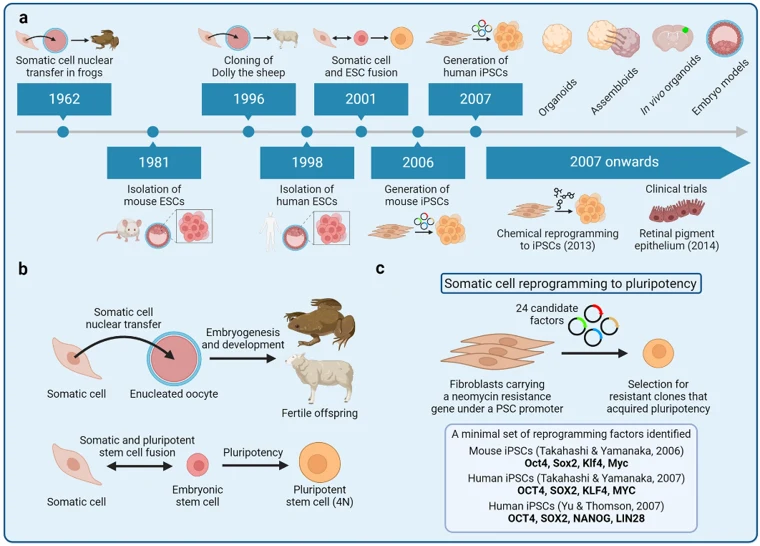
From Biology to Industry: The Core Advantages of iPSC Platforms
To understand why iPSC platforms are reshaping safety assessments, look at how they bridge the gap between complex human biology and the high throughput required by modern drug discovery:
- Real Functional Fidelity: Unlike static cell lines, iPSC-derived cells actually behave like live human tissue. Cardiomyocytes beat synchronously in the dish, and cortical neurons fire spontaneous, networked action potentials. They express the exact ion channels and receptors needed to see how a human body will respond to a drug.
- "Population-on-a-Dish" Diversity: Drug toxicity isn't one-size-fits-all. Idiosyncratic adverse drug reactions (ADRs) often strike specific patient populations due to genetic variations (like CYP450 polymorphisms). Screening across iPSC libraries from diverse ethnic backgrounds and disease cohorts lets you flag these patient-specific liabilities early.
- Industrial-Scale Reliability: Early headaches over batch-to-batch variation are a thing of the past. Modern CRO platforms use highly standardized differentiation protocols. Every batch undergoes strict quality control-including flow cytometry for phenotypic purity, karyotyping for genomic stability, and functional benchmarking against standard reference compounds.
Execution Matrix: Mechanistic Readouts by Target Organ
Having a standardized human cell model is only half the battle; the real value is the actionable data you can pull from it. Modern iPSC toxicology relies on a multi-parametric matrix of readouts:
Cardiotoxicity: Moving Past hERG to Full Electrophysiology
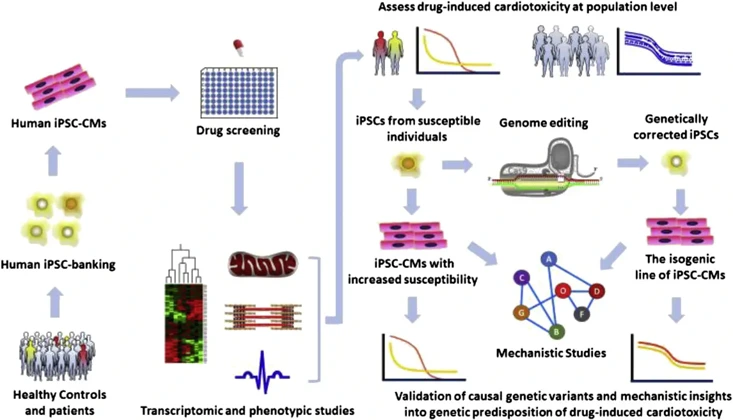
Relying solely on traditional hERG assays flags too many false positives, causing teams to discard perfectly safe drugs. Aligned with the CiPA (Comprehensive In Vitro Proarrhythmic Assay) initiative, our iPSC-cardiomyocyte (iPSC-CM) platform gives you a complete safety profile:
- Multi-Electrode Array (MEA): Tracks field potential duration (FPDc) and catches complex arrhythmic events like early or delayed afterdepolarizations (EADs/DADs).
- Calcium Transients: Uses high-throughput fluorescent dyes to evaluate excitation-contraction coupling and pinpoint contractility disruptions.
Hepatotoxicity: Long-Term Predictive DILI Modeling
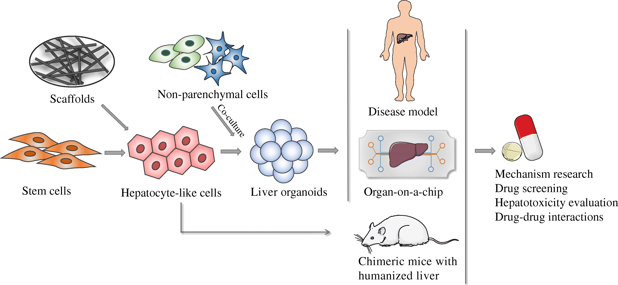
Drug-Induced Liver Injury (DILI) is a leading cause of post-market drug withdrawals. Unfortunately, traditional 2D hepatic cultures lose their metabolic functions within days, completely missing chronic toxicities.
- Extended Culturing (14-28 Days): Our iPSC-hepatocytes maintain stable metabolic phenotypes long enough to capture chronic, cumulative toxicity and metabolite-driven injuries.
- High-Content Imaging (HCI): Concurrently tracks multiple cellular stress markers, including mitochondrial membrane potential, ROS generation, glutathione (GSH) depletion, steatosis, and cholestasis.
Neurotoxicity and Developmental Safety
The central nervous system requires highly sensitive functional readouts rather than just structural endpoints.
- Network Electrophysiology: MEA platforms monitor synchronized network burst patterns in iPSC-cortical or motor neurons to catch sub-lethal, functional neurotoxicity that standard assays miss.
- Developmental Neurotoxicity (DNT): Assays track the delicate steps of neural progenitor cell differentiation, migration, and neurite outgrowth to flag developmental risks early.
Advanced Horizons: Microphysiological Systems (MPS) and Barrier Models
As drug modalities become more complex, iPSC technology is moving beyond traditional 2D monolayers into multi-dimensional setups:
- 3D Spheroids and Organoids: 3D architectures replicate true in vivo spatial organization and cell-to-cell signaling. This vastly improves the predictive accuracy of long-term, repeated-dose toxicity studies.
- Physiological Barrier Models: By co-culturing iPSC-derived brain microvascular endothelial cells, pericytes, and astrocytes, we can build a highly restrictive Blood-Brain Barrier (BBB). This lets us precisely measure TEER and efflux transporter activity (P-gp/BCRP) to evaluate both drug permeability and central toxicity.
- Multi-Tissue Chips: Fluidically linking a liver-on-a-chip to a heart-on-a-chip lets you observe integrated ADME-Tox profiles. You can see in real-time whether a parent drug metabolized by the liver triggers downstream toxicity in the heart.
Translating Data to IND Portfolios: Regulatory Acceptance
The ultimate goal of preclinical toxicology is an unassailable regulatory submission. The regulatory landscape has shifted decisively in favor of human-relevant alternative methods:
- The FDA Modernization Act 2.0: This mandate removed the requirement that all new drug candidates must be tested on animals before human trials, explicitly opening the door for alternatives like iPSCs and microphysiological systems.
- ICH S7B and E14 Compliance: Recent guideline revisions formally recognize validated in vitro human ventricular cardiomyocyte data as a core component of non-clinical cardiac safety assessments.
- The Unified Safety Narrative: Smart developers don't look at iPSC data in a vacuum. Integrating these mechanistic insights with in silico QSAR/PKPD modeling and traditional in vivo data builds a tight, human-focused IND portfolio that regulatory bodies can easily trust.
Conclusion
Integrating iPSC-derived cells into preclinical toxicology is a fundamental shift toward smarter, faster, and more predictive drug development. In an era defined by changing FDA mandates and tighter regulatory pathways, partnering with an experienced, technologically sophisticated CRO to run robust iPSC assays isn't just an innovative add-on-it is a vital strategic advantage for getting your asset through IND approval.
Creative Bioarray Relevant Recommendations
| Products & Services | Description |
|---|---|
| iPSC Differentiation | iPSC differentiated cell lines offer the convenience of cell line models with the biorelevance of primary cells but without the sourcing difficulties and lot-to-lot variability issues associated with primary human cells. Creative Bioarray is able to serve as your time-and cost-saving extended workbench and provides you with the differentiated cells ready-to-use for your assays. |
Reference
- Jin, M., Yi, X., et al. Advancements in stem cell-derived hepatocyte-like cell models for hepatotoxicity testing. Stem Cell Res Ther. 2021*.* 12, 84