Kidney Organoid Differentiation Service from iPSC
Kidney organoids are self-organized 3D structures containing functional renal cell types resembling multiple aspects of the in vivo counterpart. Kidney organoid cultures are established by guiding Embryonic stem cells or induced pluripotent stem cells in a stepwise manner through stages of late primitive streak, intermediate mesoderm, and metanephric mesoderm to give rise to pretubular aggregates, then renal vesicles that ultimately from kidney organoids. Because kidney organoids recapitulate the cellular components and structure of the developing nephron, they are able to overcome the limitations of monolayer culture system, including insufficient modeling of cellular interactions. Kidney organoids offer new opportunities for modeling patient-specific kidney disease, studying kidney development, and performing nephrotoxic compound screening.
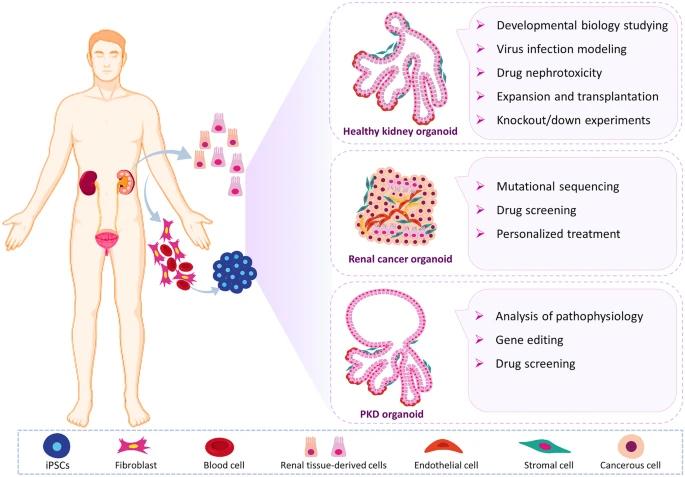 Figure 1. Potential applications of kidney organoid technology. (Niloofar Khoshdel-Rad, et al., 2022)
Creative Bioarray provides Kidney Organoid Differentiation service to differentiate iPSCs into 3D kidney organoids that closely mimic the structural and functional characteristics of real human kidneys. These organoids contain multiple cell types found in the kidney, including nephrons, collecting ducts, and interstitial cells, enabling researchers to study complex renal processes in a controlled in vitro environment.
Kidney Organoid Applications
- Disease Modeling: Kidney organoids derived from patient-specific iPSCs can recapitulate disease phenotypes, offering valuable insights into the underlying mechanisms of various kidney disorders, serving as excellent tools for drug screening and personalized medicine approaches.
- Developmental Biology: Studying kidney development is essential for understanding congenital renal abnormalities. Kidney organoids provide a unique platform to investigate the intricate processes involved in nephrogenesis, allowing researchers to uncover crucial molecular pathways and signaling networks.
- Toxicology and Drug Discovery: Kidney organoids serve as a reliable model to assess the potential nephrotoxic effects of drugs and chemicals. By exposing organoids to different compounds, researchers can evaluate drug safety and efficacy, reducing the reliance on animal models and expediting the drug discovery process.
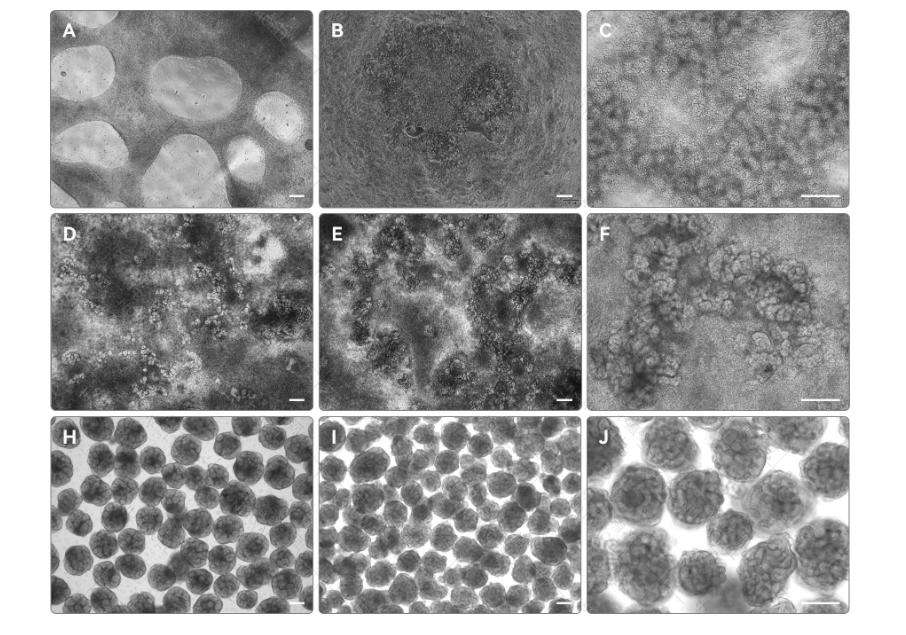 Figure 1. Phase contrast images taken after differentiation, showing the morphological changes occurred.
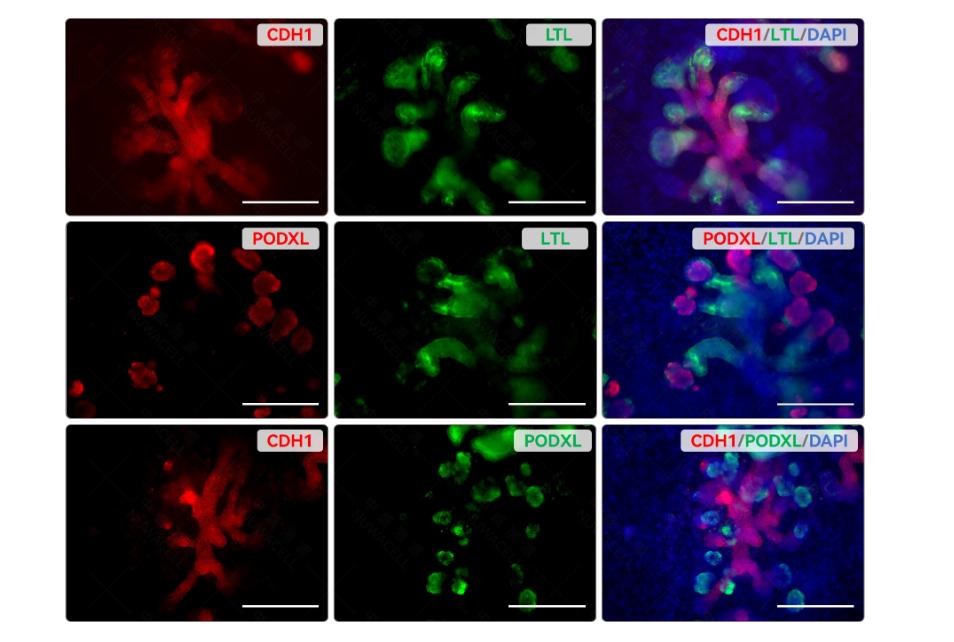 Figure 2. Characterization of kidney organoids.
Creative Bioarray is an experienced and outstanding provider of Kidney Organoid Differentiation, as well as kidney organoid differentiation kit and iPSC-derived kidney organoids. We are pleased to use our extensive experience and advanced platform to offer the best service to satisfy each demand from our customers.
If you have any special need in Kidney Organoid Differentiation, do not hesitate to contact us for this special service. Please let us know what you need and we will accommodate you. We look forward to working with you.
Explore Other Options