
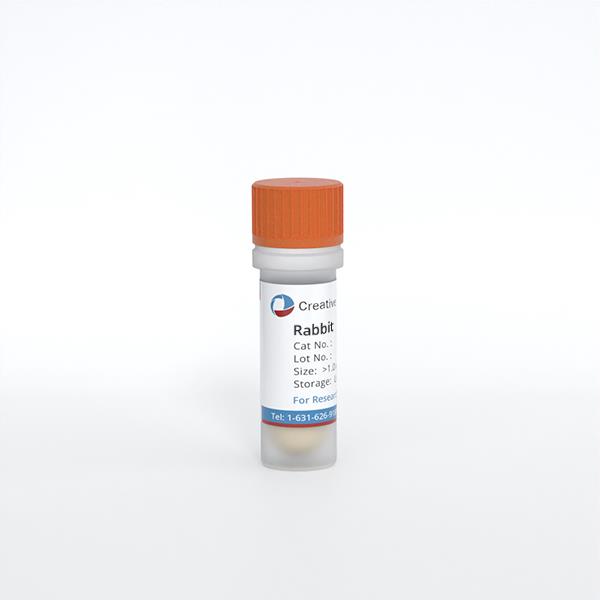
Rabbit Preadipocytes
Cat.No.: CSC-C5162S
Species: Rabbit
Source: Adipose
Cell Type: Preadipocyte
- Specification
- Background
- Scientific Data
- Q & A
- Customer Review
Rabbit preadipocyte from Creative Bioarray are isolated from the rabbit adipose tissue. The method we use to isolate rabbit preadipocytes was developed based on a combination of established and our proprietary methods. The rabbit preadipocytes are characterized by immunofluorescence with antibodies specific to preadipocyte factor 1 (Pref-1). Each vial contains 0.5x10^6 cells per ml and is delivered frozen.
Rabbit preadipocytes are primary mesenchymal progenitor cells derived from the stromal vascular fraction of rabbit white adipose tissue, most commonly isolated from perirenal or subcutaneous depots. As non-immortalized cells with a normal diploid karyotype, they faithfully replicate in vivo adipocyte biology, free from the aneuploidy and dysregulated proliferative signaling that confound transformed lines such as 3T3-L1.
A paramount advantage of this system is its high fidelity to human lipid and lipoprotein metabolism: unlike mice, rabbits exhibit an LDL-rich lipoprotein profile, hepatic lipase distribution, and adipose tissue lipolytic regulation closely mirroring that of humans. Consequently, rabbit adipocytes display substantial basal and catecholamine-stimulated lipolysis, a robust anti-lipolytic response to insulin, and insulin-stimulated glucose uptake, all at levels directly translatable to human physiology.
Notably, rabbit preadipocytes exhibit intrinsic plasticity: under β3-adrenergic or PPARγ agonist stimulation, they efficiently convert to UCP1-positive beige adipocytes, enabling detailed study of white-to-beige transdifferentiation and thermogenesis. Moreover, they respond to physiological concentrations of glucocorticoids and growth hormone, and can be co-cultured with macrophages to model the paracrine interactions that drive obesity-associated adipose inflammation. Given that rabbits are a classical model for diet-induced atherosclerosis and obesity, these primary cultures represent an indispensable, human-relevant platform for dissecting adipocyte biology, adipokine-mediated vascular crosstalk, and the therapeutic manipulation of adipose tissue function.
miR-211-5p Regulates the Proliferation and Differentiation of Rabbit Preadipocytes by Targeting TPK1
Previous transcriptomic analysis has revealed upregulated miR-211-5p expression in rabbits fed a high-fat diet, indicating its potential role in lipid metabolism regulation. However, the precise functions of miR-211-5p in lipid deposition and lipogenesis in rabbit preadipocytes remain unclear. To address this knowledge gap, this study utilized rabbit preadipocytes as experimental models to investigate the molecular mechanisms by which miR-211-5p regulates preadipocyte proliferation and differentiation. The findings aim to provide a theoretical basis for improving rabbit meat quality.
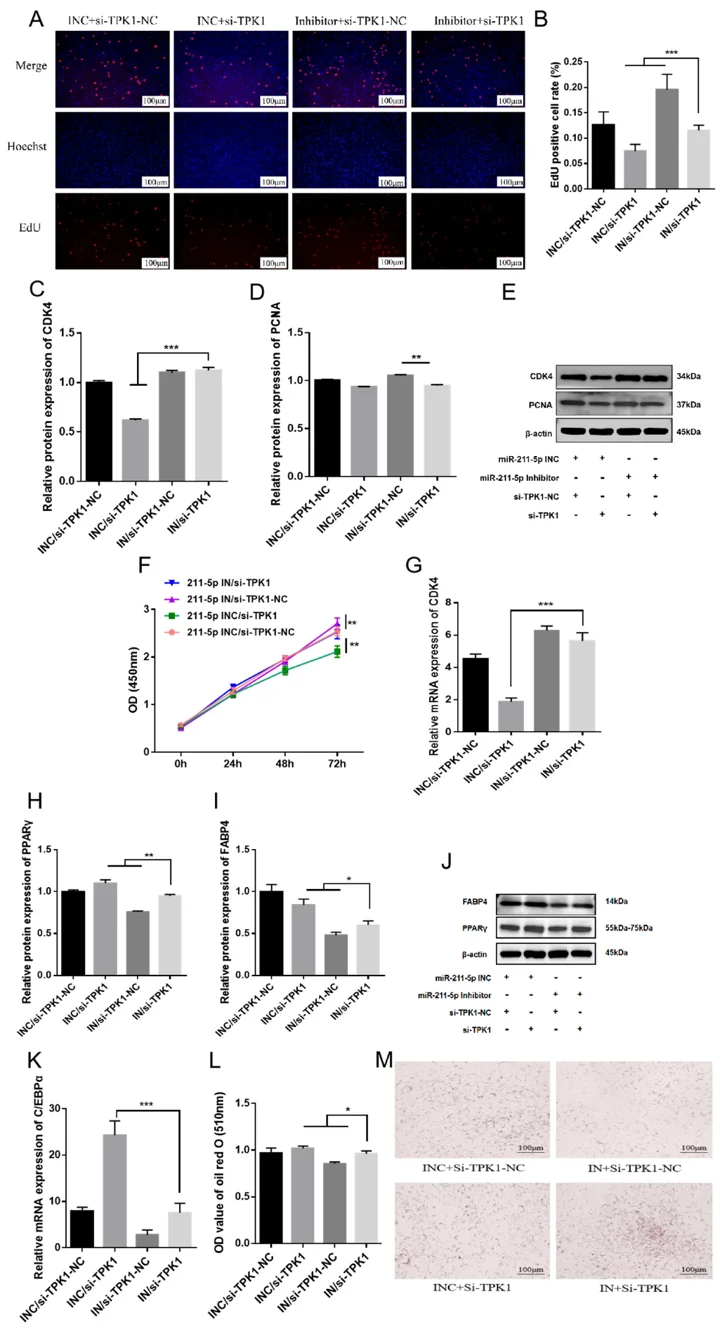
The EdU proliferation assay, RT-qPCR detection, and CCK-8 cell viability assay revealed that overexpression of miR-211-5p inhibits the proliferation of rabbit preadipocytes. RT-qPCR, western blot (WB), and Oil Red O staining assays showed that overexpression of miR-211-5p promotes the maturation and differentiation of precursor adipocytes in rabbits. Through transcriptome sequencing, a total of 147 differentially expressed genes were identified. Among them, TPK1 is the target gene of miR-211-5p and is also the newly identified important gene involved in lipid synthesis. Interfering with the expression of the TPK1 gene can inhibit the proliferation of rabbit preadipocytes and promote their differentiation.
Ask a Question
Write your own review

Description: Rabbit Hepatocytes are derived from the liver of New Zealand White Rabbit.
Description: The aortic arch is the top part of the main artery carrying blood away from the heart. It is the connection between the ascending and descending aorta, and its central part is formed by the left 4th ...

Description: The synovium secretes synovial fluid, which plays an important role in joint movement. The normal synovium has two layers, a thin cellular layer (luminal layer) and a vascular layer (subintima). ...
Description: The pituitary gland is an important endocrine gland in the body that secretes growth hormone and adrenocorticotropic hormone. It plays an important role in the growth and development of the body, ...
Description: The oral epthelial cells are responsible for important functions, like the primary protection of oral mucosa against external aggressions building a mechanical barrier against microorganisms, ...
Description: The carotid arteries are major blood vessels in the neck that supply blood to the brain, neck, and face. There are two carotid arteries, one on the right and one on the left. In the neck, each ...