
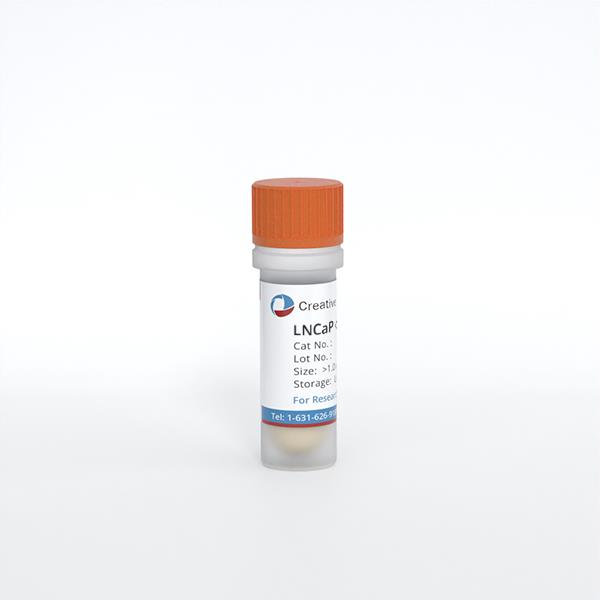
LNCaP clone FGC; LNCaP.FGC
Cat.No.: CSC-C9478L
Species: Homo sapiens (Human)
Source: Lymph Node Metastasis
Morphology: epithelial
Culture Properties: adherent, single cells and loosely attached clusters
- Specification
- Background
- Scientific Data
- Q & A
- Customer Review
vWA: 16,18
FGA: 19,20
Amelogenin: X,Y
TH01: 9
TPOX: 8,9
CSF1P0: 10,11
D5S818: 11,12
D13S317: 10,12
D7S820: 9,11
LNCaP clone FGC is a human prostate adenocarcinoma cell line, isolated from a metastatic lesion in the left supraclavicular lymph node of a 50-year-old Caucasian guy with advanced prostate cancer. LNCaP clone FGC is a subclone of the parental LNCaP line and maintains many of the molecular and behavioral features that have made it one of the most commonly utilized in vitro models for prostate cancer research.
The cells display an epithelial shape, express functional androgen receptors (AR) and show a very high responsiveness to androgen stimulation. LNCaP clone FGC cells also generate prostate-specific antigen (PSA) and prostate-specific acid phosphatase (PSAP), which are therapeutically important indicators for assessing androgen signaling and prostate cancer progression. These cells represent an essential model of AR-regulated gene expression, hormone-dependent tumor growth and mechanisms of resistance to androgen deprivation therapy due to their androgen-sensitive phenotype.
The LNCaP clone FGC cells have been widely used as a model system to study prostate cancer biology, cancer metabolism, signal transduction, epigenetic regulation, drug discovery and therapeutic development. They are especially useful for testing new anti-androgen drugs and tailored therapy. LNCaP clone FGC cells also provide a gold-standard model for fundamental and translational prostate cancer research due to their defined genetic background and repeatable in vitro and in vivo performance.
Comprehensive Genomic Landscape of the LNCaP_FGC Prostate Cancer Cell Line
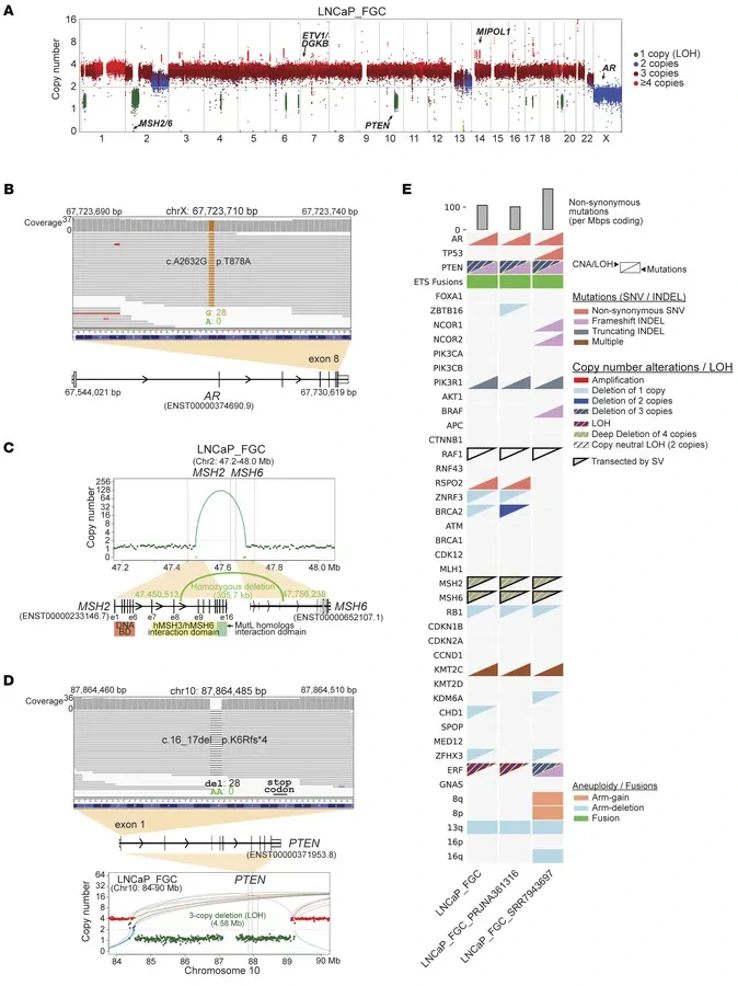
To address the limited availability of representative prostate cancer models, Bose et al. systematically characterized the LNCaP_FGC subline. Whole-genome sequencing (WGS) of LNCaP_FGC (CRL-1740) generated 40× coverage, revealing a highly mutated genome with 409,210 single nucleotide variants (134.46 mutations/Mb) and an estimated tumor ploidy of 3.2, indicative of mixed diploid and tetraploid populations (Fig. 1A). Structural analysis identified widespread alterations, with 27% of the genome affected by copy number changes, including arm-level deletions on chromosomes 2q and 13, and 321 large-scale rearrangements (deletions, duplications, inversions, and translocations).
Genomic analysis confirmed four major oncogenic driver events recurrent in metastatic prostate cancer: (a) the T878A point mutation in the androgen receptor (AR); (b) a complex rearrangement involving the ETS oncogene ETV1; (c) biallelic loss of the PTEN tumor suppressor; and (d) genomic disruption of DNA mismatch repair genes MSH2 and MSH6, correlating with the observed hypermutation (Figs. 1A-E). These data provide a high-resolution molecular blueprint of the LNCaP_FGC model, defining its utility and limitations for preclinical research.
Ask a Question
Write your own review
- You May Also Need
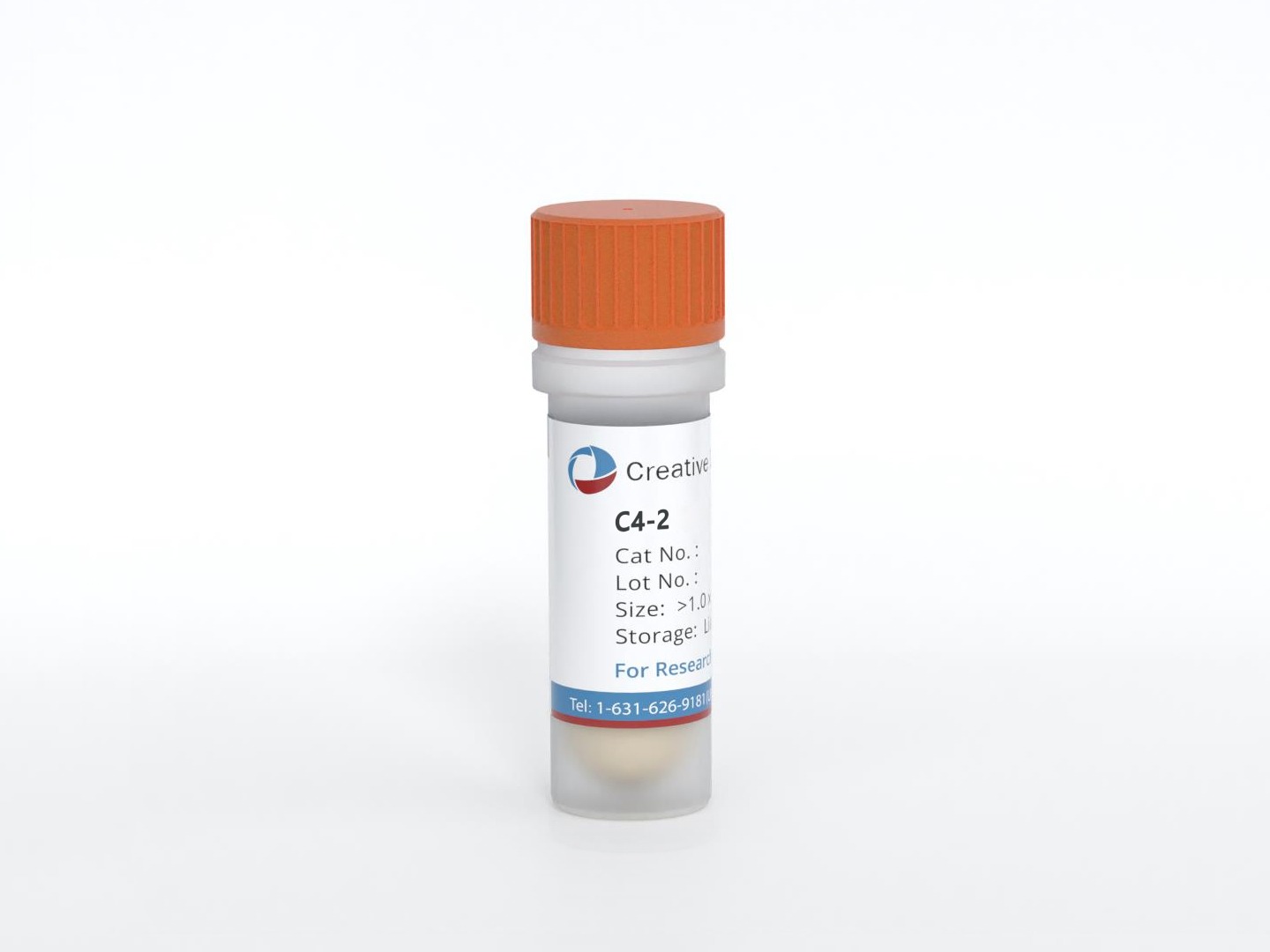
Description: C4-2 is a cell line with epithelial-like morphology that was isolated from a human prostate cancer LNCaP cell subcutaneous xenograft tumor of castrated mouse.
Description: Cytogenetic analysis and DNA fingerprinting at the Creative Bioarray documented that this cell line is identical with the human prostate carcinoma-derived cell line DU-145, but shows some ...
Description: 22Rv1 is a human prostate carcinoma epithelial cell line derived from a xenograft that was serially propagated in mice after castration-induced regression and relapse of the parental, ...
Description: prostate epithelial cells from a 68-year-old man with benign prostate hyperplasia; cells were immortalized with SV-40 large T-antigen; cells were described to express cytokeratins 8, 18, and 19 (but ...
Description: Derived from a human prostate carcinoma xenograft (CWR22R) that was serially propagated in nude mice after castration-induced regression and relapse of the parental, androgen-dependent CWR22 xenograft
- Adipose Tissue-Derived Stem Cells
- Human Neurons
- Mouse Probe
- Whole Chromosome Painting Probes
- Hepatic Cells
- Renal Cells
- In Vitro ADME Kits
- Tissue Microarray
- Tissue Blocks
- Tissue Sections
- FFPE Cell Pellet
- Probe
- Centromere Probes
- Telomere Probes
- Satellite Enumeration Probes
- Subtelomere Specific Probes
- Bacterial Probes
- ISH/FISH Probes
- Exosome Isolation Kit
- Human Adult Stem Cells
- Mouse Stem Cells
- iPSCs
- Mouse Embryonic Stem Cells
- iPSC Differentiation Kits
- Mesenchymal Stem Cells
- Immortalized Human Cells
- Immortalized Murine Cells
- Cell Immortalization Kit
- Adipose Cells
- Cardiac Cells
- Dermal Cells
- Epidermal Cells
- Peripheral Blood Mononuclear Cells
- Umbilical Cord Cells
- Monkey Primary Cells
- Mouse Primary Cells
- Breast Tumor Cells
- Colorectal Tumor Cells
- Esophageal Tumor Cells
- Lung Tumor Cells
- Leukemia/Lymphoma/Myeloma Cells
- Ovarian Tumor Cells
- Pancreatic Tumor Cells
- Mouse Tumor Cells