
HCEC-B4G12
Cat.No.: CSC-C3457
Species: Homo sapiens (Human)
Source: Eye; Cornea
Morphology: cuboid epitheloid cells growing strongly adherent in monolayers
Culture Properties: monolayer
- Specification
- Background
- Scientific Data
- Q & A
- Customer Review
Immunology: cytokeratin +, cytokeratin-7 +, cytokeratin-8 (+), cytokeratin-17 -, cytokeratin-18 +, cytokeratin-19 -, desmin -, endothel -, EpCAM -, GFAP -, neurofilament -, vimentin +
Viruses: P
The HCEC-B4G12 cell line originates from human corneal endothelial cells and has undergone genetic modification to support long-term culture while preserving corneal endothelial cell traits for extended cultivation. This cell line displays polygonal cells that maintain tight packing patterns which mimic natural corneal endothelial cells. The HCEC-B4G12 cell line expresses key corneal endothelial cell markers such as ZO-1, occludin, connexin-43 together with the corneal endothelium 9.3 E antigen (HCEC9.3 E).
Research demonstrates that the HCEC-B4G12 cell line displays similarities in both characteristics and functional capabilities to mature corneal endothelial cells found in vivo. The HCEC-B4G12 cell line functions as an excellent model for research on corneal endothelial cell activities and disease pathophysiology. Basic biological research can utilize this cell line to examine the physiological functions and cellular metabolism of corneal endothelial cells as well as their other properties. Ophthalmic disease research can use the HCEC-B4G12 cell line to study the development of conditions like glaucoma and corneal endothelial dystrophy and to test drug effectiveness. Moreover, this cell line can be used in tissue engineering research to attempt building corneal endothelial tissue, providing new methods and strategies for the treatment of corneal diseases.
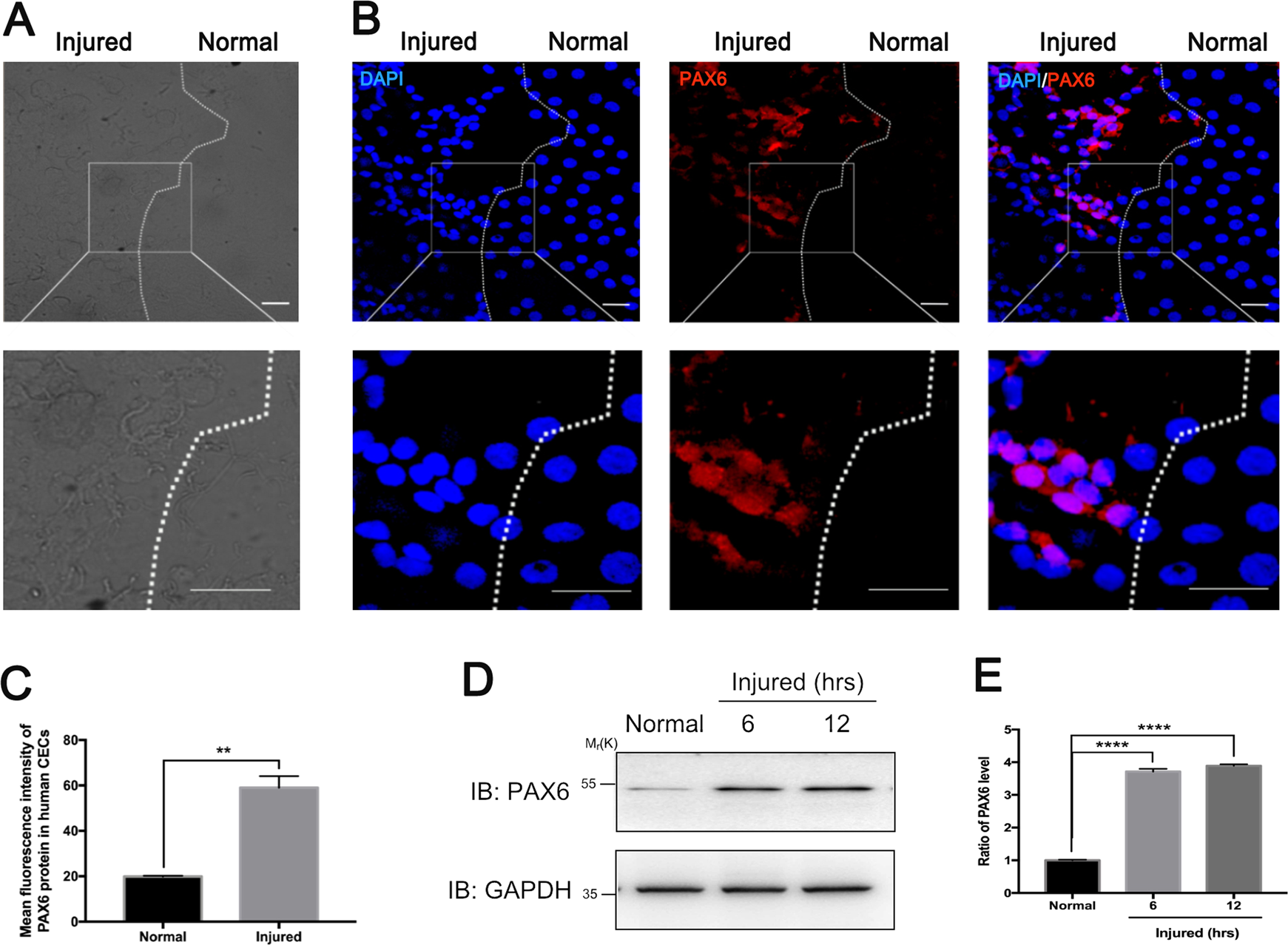
PAX6, modified by SUMOylation, plays a protective role in corneal endothelial injury
Background
Corneal endothelial cells (CECs) have limited proliferative capacity, and their injury mechanisms remain unclear. This study investigated PAX6 in corneal endothelial wound healing. PAX6 protein increased in injured human, mouse, and rat CECs. Enforced PAX6 reduced corneal edema by promoting tight junctions. PAX6 was SUMOylated by SUMO1 at K53 and K89, and de-SUMOylation by SENP1 stabilized PAX6. SENP1+/− mice showed increased SUMOylation, reduced PAX6, and delayed CEC repair; PAX6 overexpression rescued repair. The findings suggest PAX6 and SUMOylation as therapeutic targets for corneal endothelial disorders.
Key Findings
PAX6 protein was markedly upregulated in injured human corneal endothelial monolayers and in mouse/rat corneal endothelium after cryoinjury. Enforced PAX6 expression in rat corneal endothelium reduced corneal opacity and edema, and promoted ZO-1-positive tight junctions, indicating a protective barrier function. Mechanistically, p48 PAX6 was modified by SUMO1, but not SUMO2/3, predominantly at lysine residues K53 and K89. De-SUMOylation by SENP1 stabilized PAX6, whereas SUMOylation-deficient K53/89R PAX6 showed increased protein stability. In SENP1+/− mice, elevated SUMOylation reduced PAX6 stability/expression and worsened endothelial injury repair; PAX6 overexpression improved repair via tight junction enhancement. Thus, SENP1-mediated de-SUMOylation stabilizes PAX6 and amplifies its protective role in corneal endothelial injury.
Contribution
Creative Bioarray provided the authenticated human immortalized corneal endothelial cell line B4G12, which was used for scratch injury, protein expression, SUMOylation, stability, and transfection experiments. This cell model was essential for validating PAX6 regulation in vitro and supporting the study's mechanistic conclusions.
Topical Ascorbic Acid Ameliorates Oxidative Stress-Induced Corneal Endothelial Damage via Suppression of Apoptosis and Autophagic Flux Blockage
Background
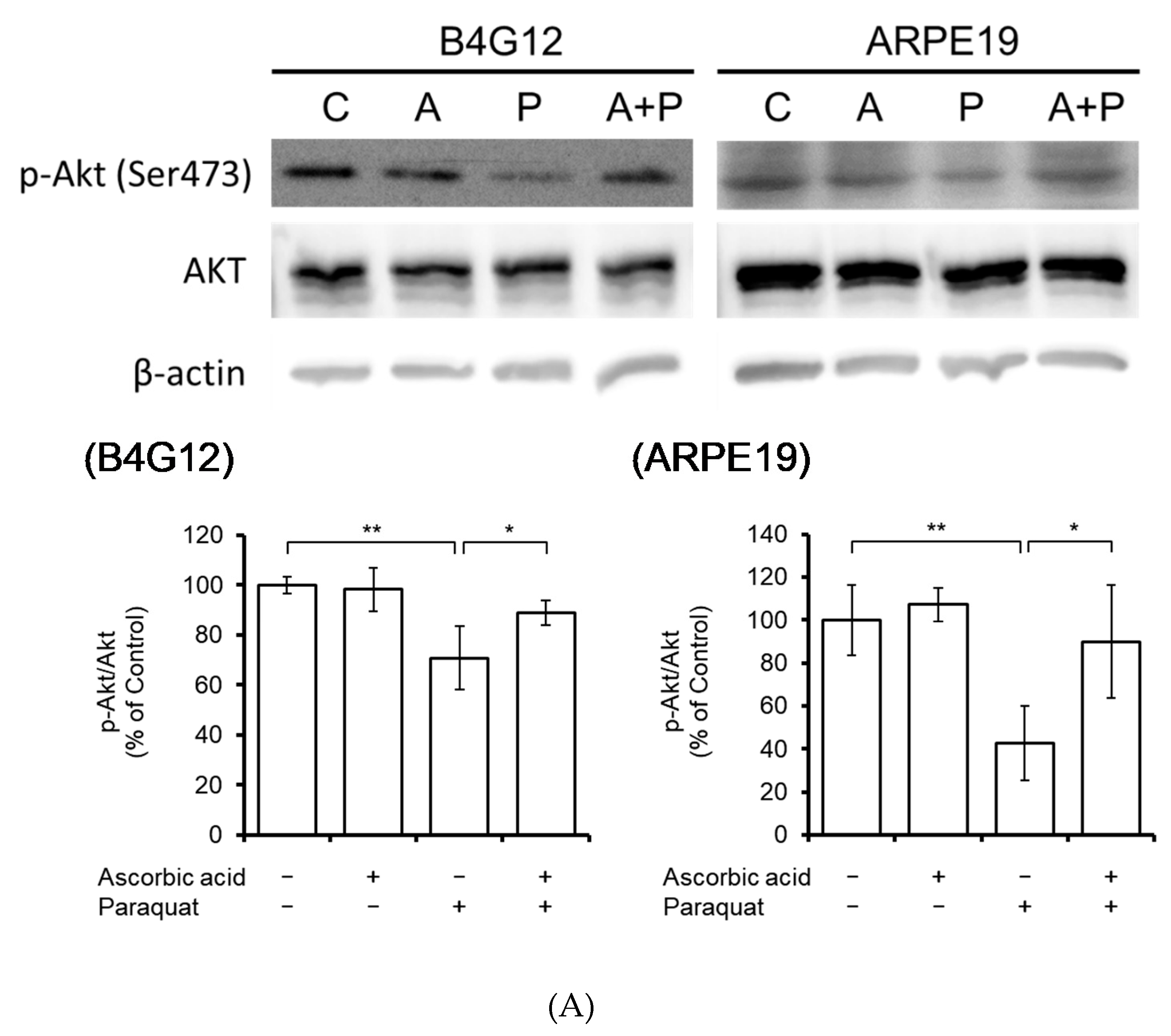
This study investigates whether topical ascorbic acid (AA) protects corneal endothelial cells from oxidative stress-induced damage. Using paraquat-treated B4G12 and ARPE-19 cells, the authors show that oxidative stress causes ROS accumulation, apoptosis, and autophagic flux blockage. AA pretreatment reduces ROS, apoptosis, and autophagic blockage, and restores Akt phosphorylation; PI3K inhibition diminishes protection. In a rabbit model, topical AA increases corneal stromal AA concentration, reduces endothelial oxidative stress, and preserves corneal clarity. The findings support perioperative topical AA as a strategy for vulnerable corneal endothelia.
Key Findings
The study demonstrates that paraquat-induced oxidative stress in human corneal endothelial B4G12 cells and ARPE-19 cells triggers reactive oxygen species accumulation, apoptosis, and autophagic flux blockage, characterized by increased LC3-II and p62 and decreased Bcl-2. Pretreatment with ascorbic acid (AA) significantly ameliorates these effects, reducing ROS, apoptosis, and autophagosome accumulation, and reversing molecular markers. Mechanistically, oxidative stress downregulates Akt phosphorylation, while AA restores it; inhibition of PI3K/Akt with LY294002 attenuates AA-mediated protection. In primary rabbit corneal endothelial cells and ex vivo rabbit corneas, AA pretreatment protects against paraquat-induced cell sloughing. In vivo, topical AA (284 mmol/L) increases AA concentration in corneal stroma but not aqueous humor, and preserves corneal transparency after intracameral paraquat. These findings suggest that topical AA protects corneal endothelial cells by suppressing apoptosis and autophagic flux blockage via PI3K/Akt signaling.
Contribution
Creative Bioarray provided the human corneal endothelial cell line B4G12, which served as the primary in vitro model for oxidative stress-induced damage. This cell line enabled the authors to demonstrate AA-mediated protection against ROS, apoptosis, and autophagic flux blockage, and to link these effects to PI3K/Akt signaling.
Ascorbic acid ameliorates corneal endothelial dysfunction and enhances cell proliferation via the noncanonical GLUT1-ERK axis
Background
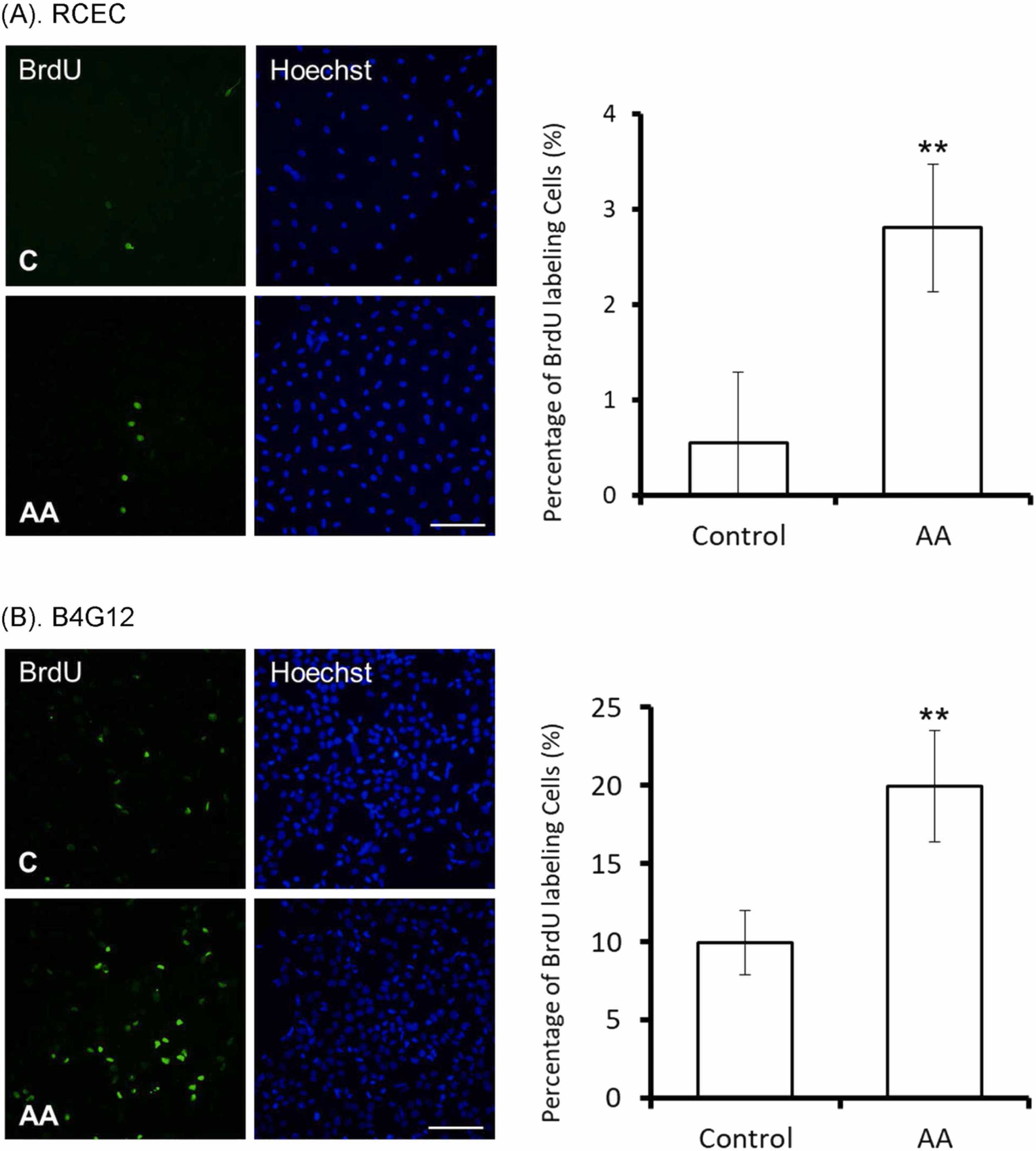
Corneal endothelial dysfunction (CED) causes edema and opacity, with limited treatments. This study examines topical ascorbic acid (AA) in a benzalkonium chloride-induced rabbit CED model and in cultured corneal endothelial cells. AA restored corneal transparency, reduced thickness, and improved endothelial recovery. Mechanistically, AA was transported into cells via GLUT1 and increased ERK phosphorylation, promoting proliferation; GLUT1 knockdown and ERK inhibition blocked these effects. The findings identify a noncanonical AA-GLUT1-ERK axis underlying AA-enhanced healing of CED.
Key Findings
Topical ascorbic acid (AA) ameliorated benzalkonium chloride (BAK)-induced rabbit corneal endothelial dysfunction, restoring corneal transparency, reducing central thickness, and promoting endothelial cell recovery with normal hexagonal morphology. In cultured rabbit and human corneal endothelial cells, AA significantly increased proliferation. Membrane proteomics and immunoblotting identified GLUT1 as the AA/dehydroascorbic acid transporter in B4G12 human corneal endothelial cells. GLUT1 siRNA blocked intracellular AA accumulation and suppressed AA-induced proliferation. AA treatment rapidly increased ERK phosphorylation without affecting Akt or Raf phosphorylation, and the MEK/ERK inhibitor PD98059 abolished AA-stimulated proliferation. These results demonstrate that AA is transported via GLUT1 and activates a noncanonical ERK pathway to promote corneal endothelial cell proliferation, thereby ameliorating corneal endothelial dysfunction.
Contribution
Creative Bioarray provided the immortalized human corneal endothelial cell line B4G12, which was central to this study's mechanistic in vitro experiments. These cells enabled analyses of AA uptake, GLUT1-mediated transport, GLUT1 siRNA silencing, cell proliferation assays, and ERK phosphorylation, supporting identification of the noncanonical AA-GLUT1-ERK axis.
Blockade of mitochondrial components release by exosome pathway promotes the pathogenesis of Fuchs endothelial corneal dystrophy
Background
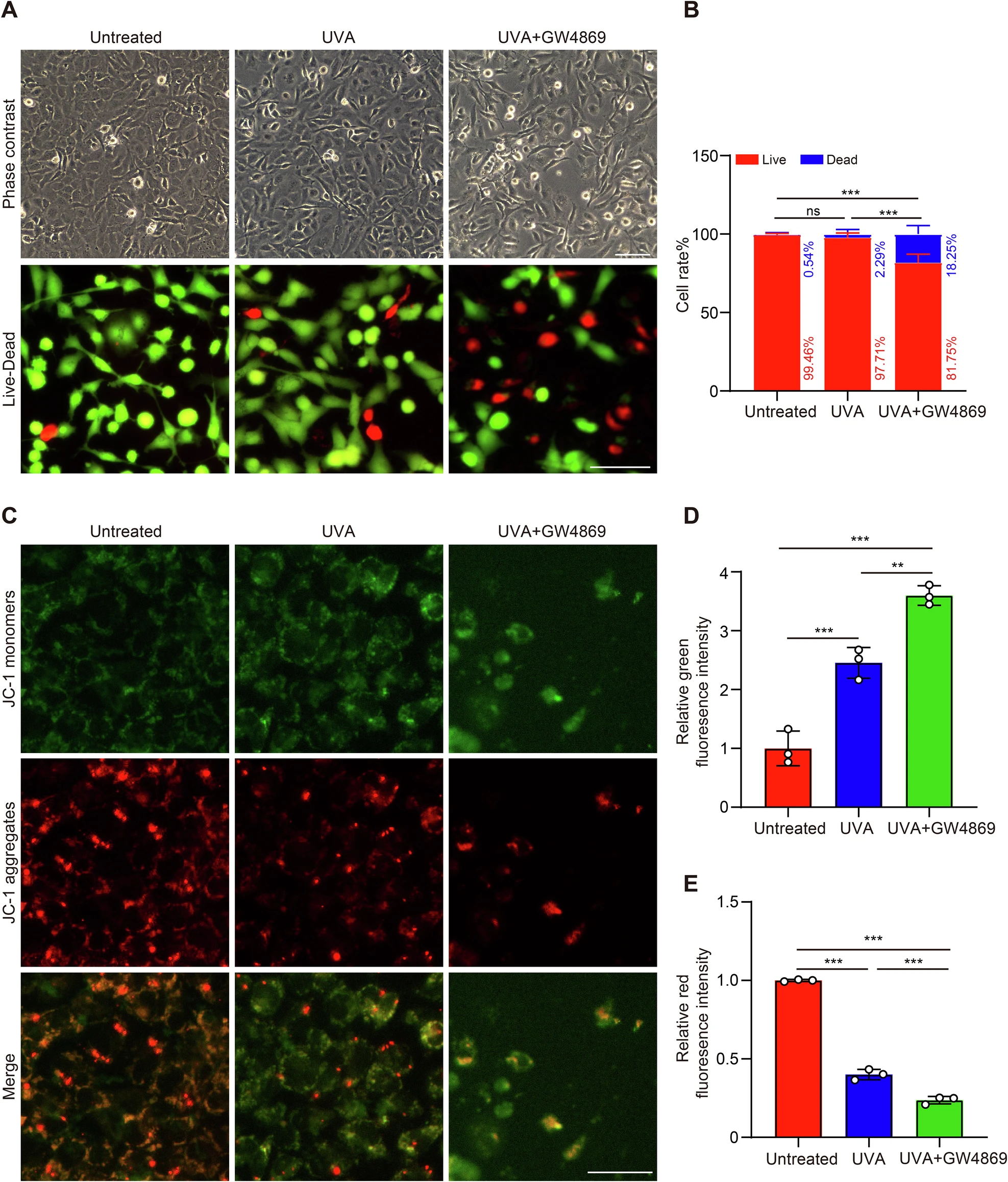
This study investigated aqueous humor (AH) proteome changes in early/middle-stage Fuchs endothelial corneal dystrophy (FECD). Using 4D label-free mass spectrometry on 13 AH samples, the authors identified 44 upregulated proteins, enriched in mitochondrial components. ELISA validated elevated SLC25A3, PC, and PARK7 in FECD AH. Immunofluorescence and ultrastructural analyses showed reduced TOM20 and damaged mitochondrial ejection in FECD corneal endothelium. Extracellular vesicles from UVA-irradiated human corneal endothelial cells contained increased mitochondrial DNA. Inhibiting exosome biogenesis aggravated cell death and mitochondrial membrane potential impairment, implicating impaired mitochondrial quality control in FECD pathogenesis.
Key Findings
Proteomic profiling of aqueous humor from early/middle-stage FECD patients revealed 72 differentially expressed proteins, with 44 upregulated compared to controls. Mitochondrial components were significantly enriched among upregulated proteins, and ELISA confirmed increased SLC25A3, PC, and PARK7 in FECD AH. In FECD corneal endothelium, mitochondrial outer membrane protein TOM20 was reduced and mitochondria exhibited damaged ejection. A UVA-induced FECD cell model showed mitochondrial translocation toward the cell periphery and increased extracellular vesicle release. Exosomes isolated from UVA-irradiated human corneal endothelial cells had significantly higher mitochondrial DNA copy numbers, indicating mitochondrial component release via exosomes. Blocking exosome biogenesis with GW4869 worsened cell death and reduced mitochondrial membrane potential in FECD endothelial cells. These findings suggest that corneal endothelial cells release damaged mitochondria through extracellular vesicles as a quality-control mechanism, and impairment of this pathway promotes FECD pathogenesis.
Contribution
Creative Bioarray provided the B4G12 human corneal endothelial cell line and human endothelial serum-free medium used in this study. These materials enabled in vitro HCEC culture, UVA irradiation experiments, mitochondrial tracking, exosome isolation, and functional assays, supporting the key mechanistic findings on FECD pathogenesis.
METTL3-m6A-mediated TGF-β signaling promotes Fuchs endothelial corneal dystrophy via regulating corneal endothelial-to-mesenchymal transition
Background
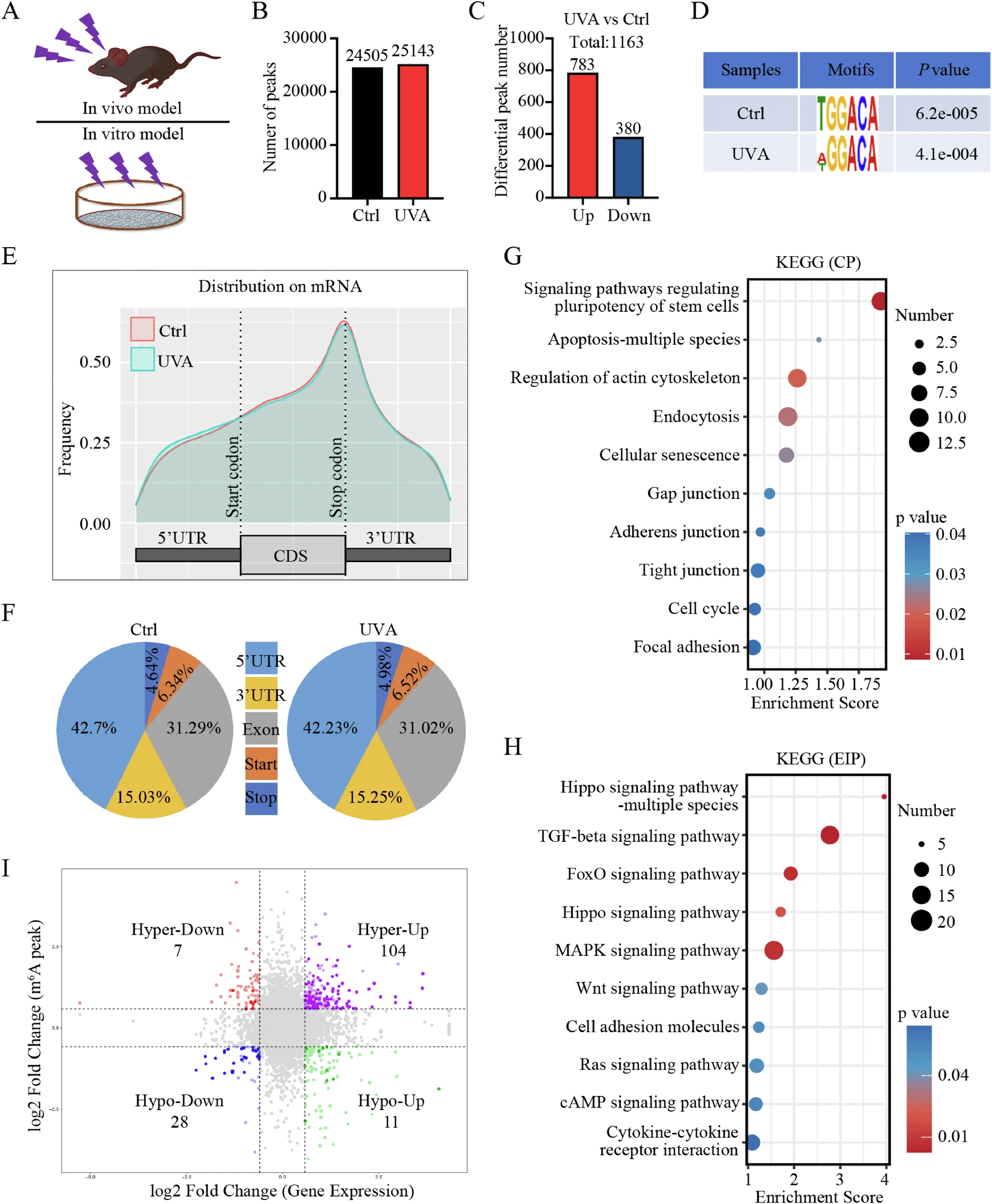
Fuchs endothelial corneal dystrophy (FECD) is a leading corneal endothelial dystrophy with no pharmacologic treatment. This study reveals that METTL3, an m6A writer, is upregulated in FECD models and promotes transcriptomic hypermethylation, including TGFB2 mRNA. METTL3 enhances TGFB2 translation via YTHDF1, increasing TGF-β2 and activating TGF-β signaling. Intervening METTL3 expression or activity suppresses TGF-β signaling, ameliorates corneal endothelial-to-mesenchymal transition (cEndMT), and slows FECD progression. Targeting METTL3/m6A is proposed as a promising FECD therapeutic strategy.
Key Findings
Transcriptome-wide m6A profiling revealed global hypermethylation in FECD, with 1,163 differential m6A peaks enriched in TGF-β signaling. TGFB2 mRNA was hypermethylated and upregulated in FECD. METTL3, but not METTL14/WTAP, was significantly increased; METTL3 silencing or STM2457 inhibition reduced TGFB2 m6A and suppressed TGF-β signaling. METTL3 overexpression increased TGFB2 m6A. The METTL3-m6A-TGF-β axis regulated cEndMT in vitro and in vivo, as METTL3 knockdown, STM2457, or LY2109761 decreased mesenchymal markers (α-SMA, vimentin), increased endothelial markers (ZO-1, Na+/K+-ATPase), and ameliorated FECD progression. Mechanistically, YTHDF1 recognized m6A-modified TGFB2 mRNA, particularly the 3′UTR GGAC motif, to promote TGF-β2 translation. YTHDF1 silencing mimicked METTL3 knockdown, while YTHDF1 overexpression partially reversed it. Thus, METTL3-m6A-YTHDF1-mediated TGF-β2 translation drives cEndMT and FECD.
Contribution
Creative Bioarray provided the human immortalized corneal endothelial cell line B4G12, which was used to establish the in vitro UVA-induced FECD model and to investigate METTL3-m6A-mediated cEndMT. This cell line enabled key mechanistic experiments, including m6A-seq, RNA-seq, RIP-qPCR, Western blot, and immunofluorescence, supporting the study's central findings.
The effect of molecular weight of hyaluronic acid on corneal cell viability
Background
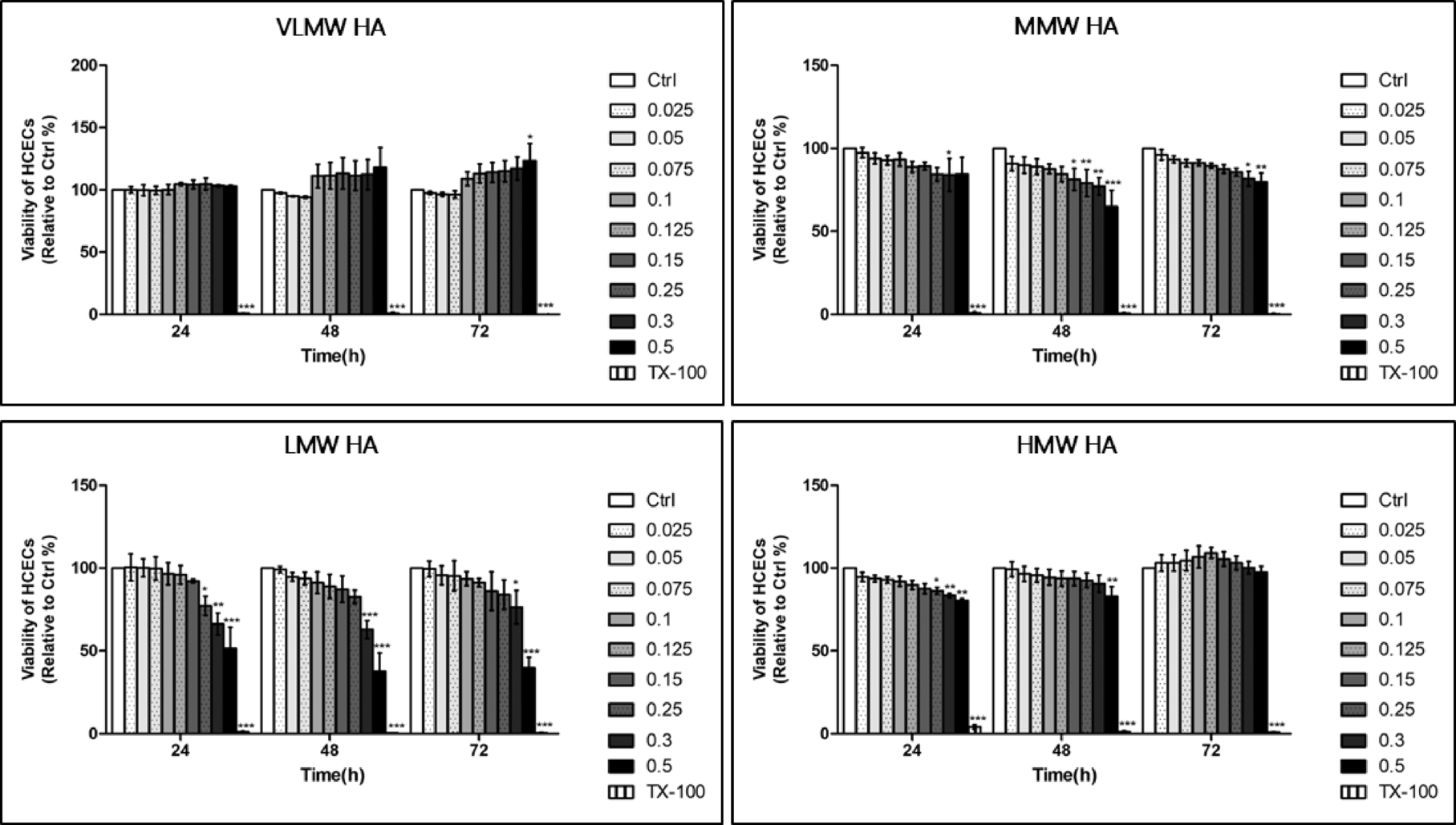
This study evaluates the cytotoxic effects of hyaluronic acid (HA) of different molecular weights (MW) on human corneal epithelial cells, keratocytes, and endothelial cells. Cells were exposed to very low, low, medium, and high MW HA at 0.025–0.5% for 24–72 h, and viability was measured by CCK-8 and live/dead staining. The findings aim to guide safer HA formulations for ophthalmic use by identifying how MW and concentration influence corneal cell tolerance and toxicity.
Key Findings
Low molecular weight (LMW) HA exhibited the highest toxicity across all corneal cell layers, causing dose-dependent viability decreases. In epithelial cells, 0.5% LMW HA reduced viability by more than 50% within 24–72 h, and ≥0.25% was hazardous after 24 h. Keratocytes showed toxicity across all HA MW, with LMW HA causing the greatest reductions. In endothelial cells, LMW HA decreased viability by more than 50% after 48 h. Very low MW and high MW HA showed minimal toxicity, with VLMW HA and HMW HA even slightly increasing epithelial viability at 48–72 h. These results highlight the need to select HA molecular weight and concentration carefully for ophthalmic applications.
Contribution
Creative Bioarray provided the human corneal endothelial cell line B4G12 (CSC-C3457-CRA), human endothelial serum-free medium (CM-345L7), and fibroblast growth factor-2 (CSC-CTK0134) used to culture endothelial cells. These reagents enabled the standardized in vitro evaluation of HA molecular weight effects on corneal endothelial viability.
PEDF Prevents Corneal Endothelial Dysfunction of Fuchs Endothelial Corneal Dystrophy
Background
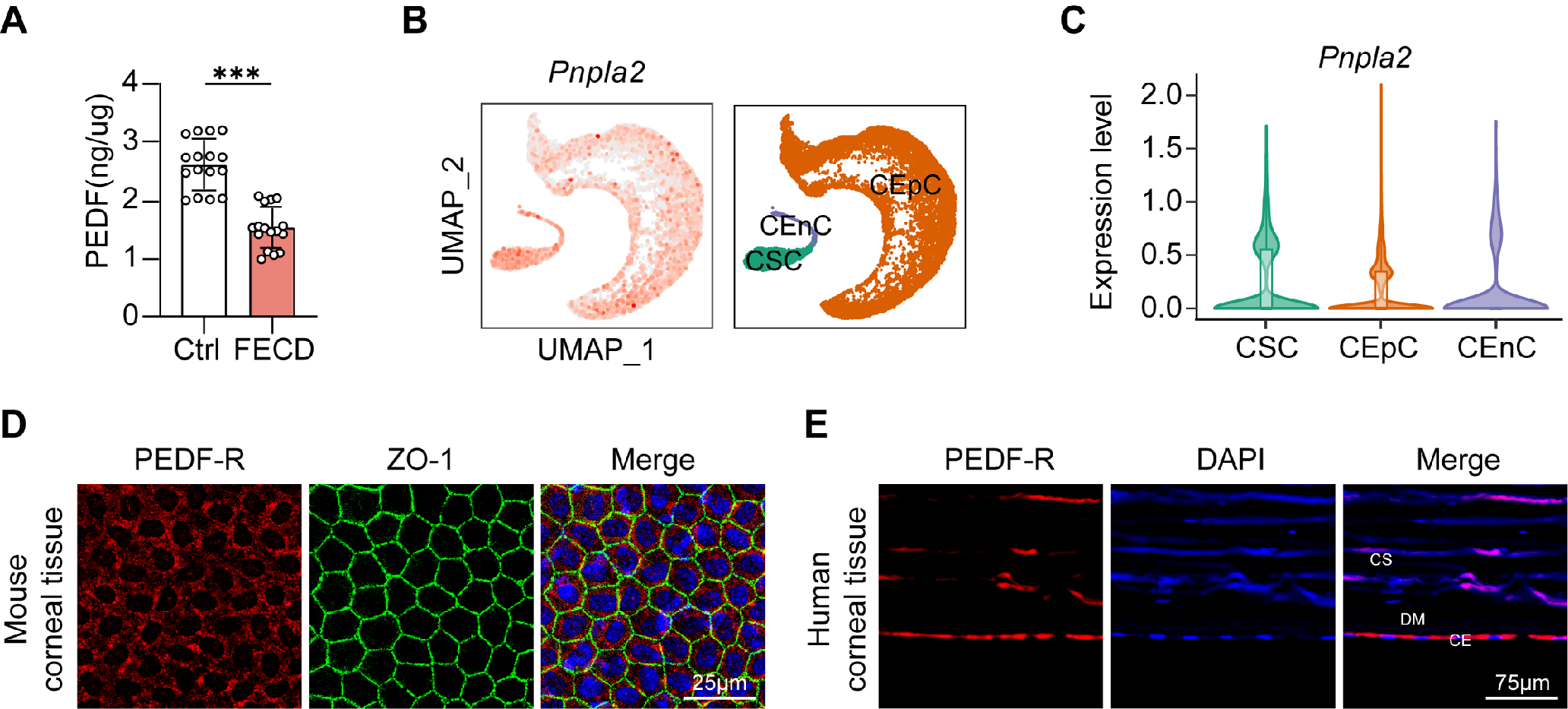
This study investigated the protective role of pigment epithelium-derived factor (PEDF) in Fuchs endothelial corneal dystrophy (FECD). PEDF levels were reduced in FECD aqueous humor. In menadione-treated human corneal endothelial cells (HCECs), PEDF improved viability, reduced oxidative stress, and restored mitochondrial function. In a UVA-induced FECD mouse model, subconjunctival PEDF preserved corneal endothelial density, morphology, and pump/barrier function. Mechanistically, PEDF downregulated p53, TGF-β, and Hippo signaling pathways. These findings suggest PEDF as a promising therapeutic candidate for preventing FECD progression.
Key Findings
Key findings: (1) PEDF levels were significantly decreased in aqueous humor of FECD patients compared to controls. (2) PEDF receptor (PEDF-R/PNPLA2) was expressed in human and mouse corneal endothelium, and both PEDF receptors (PEDF-R and 67LR) were upregulated in FECD endothelium. (3) In menadione-induced HCECs, PEDF treatment enhanced cell viability, reduced ROS, restored mitochondrial membrane potential, increased ATP production and mtDNA copy number, and improved mitochondrial bioenergetics and ultrastructure. (4) In UVA-irradiated FECD mice, subconjunctival PEDF injection restored corneal transparency, reduced central corneal thickness, improved endothelial cell density, hexagonality, and morphology, and preserved ZO-1 and Na+/K+-ATPase expression. (5) RNA-seq and validation revealed that PEDF downregulated p53, TGF-β, and Hippo signaling pathways, including genes such as GADD45G, TGF-β2, SERPINE1, and CCN2. (6) PEDF-derived peptides (34-mer and 44-mer) also showed protective effects but were less effective than full-length PEDF. These results demonstrate that PEDF protects corneal endothelial function through multiple mechanisms, highlighting its therapeutic potential for FECD.
Contribution
Creative Bioarray provided the human corneal endothelial cell line B4G12 and its serum-free medium (CM-C3457L), which were used for in vitro experiments. These reagents enabled the investigation of PEDF's protective effects on HCECs under oxidative stress, supporting the study's cellular mechanistic findings.
Circulating Inflammatory Proteins and Fuchs Endothelial Corneal Dystrophy: A Mendelian Randomization and Bioinformatics-Based Investigation
Background
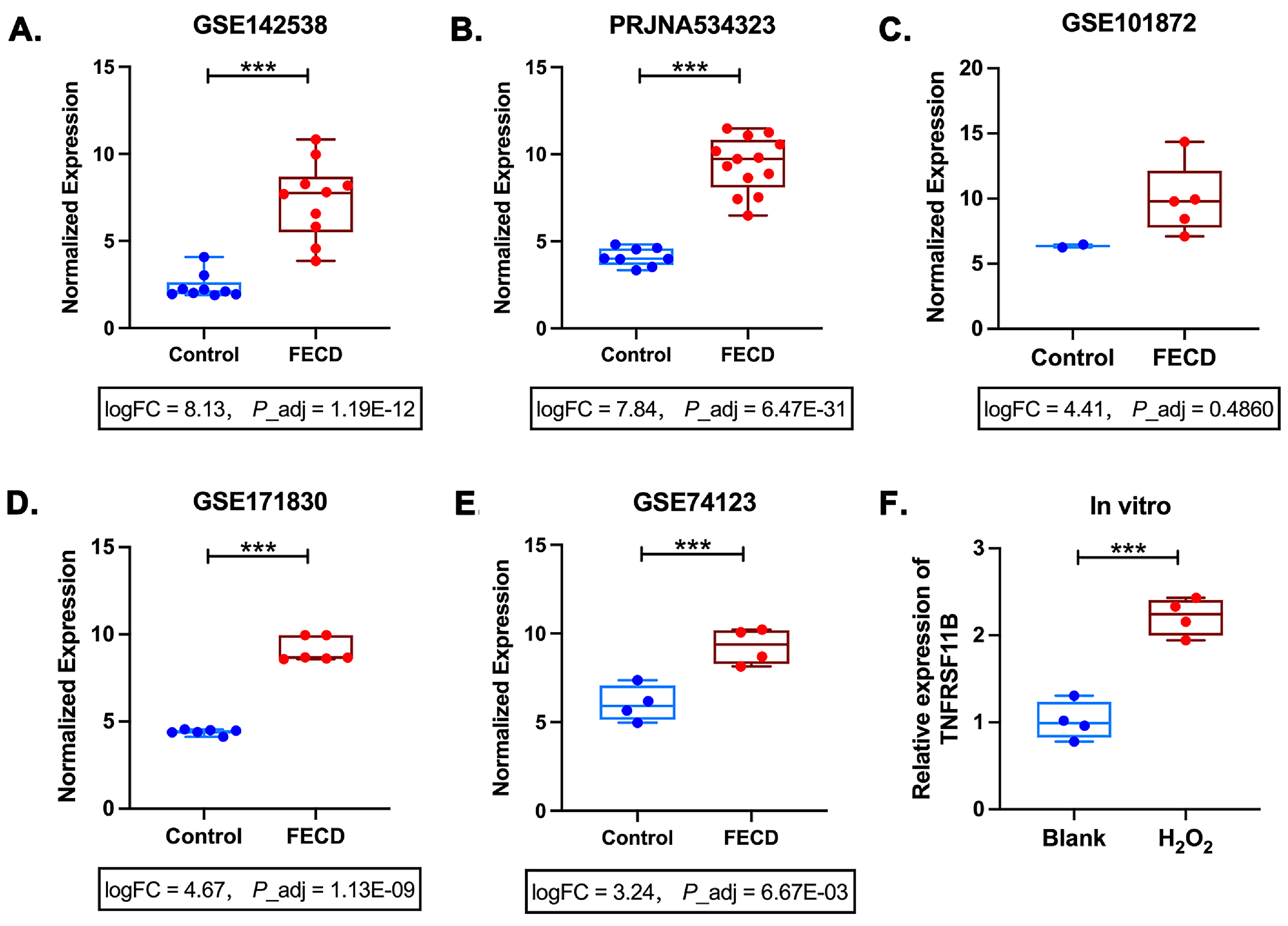
This study investigated causal links between circulating inflammatory proteins and Fuchs endothelial corneal dystrophy (FECD) using bidirectional two-sample Mendelian randomization with GWAS summary data, replication in independent FECD cohorts, and meta-analysis. Transcriptomic datasets and an in vitro oxidative stress model were used for validation. Among 91 proteins, TNFRSF11B showed a robust risk association, elevated expression in FECD tissues, and upregulation in H2O2-treated corneal endothelial cells, nominating it as a candidate biomarker and therapeutic target.
Key Findings
Initial Mendelian randomization identified three suggestive circulating inflammatory proteins. Only TNFRSF11B remained robust after meta-analysis across three FECD cohorts (OR = 1.193; 95% CI, 1.039–1.369; P-meta = 0.012). MIP-1β showed a consistent protective trend but was underpowered, and NRTN had discordant replication directions. TNFRSF11B was upregulated in FECD-affected corneal endothelium across five GEO datasets and increased approximately twofold in H2O2-stimulated immortalized human corneal endothelial cells. Reverse MR linked higher FECD risk to lower FGF19 levels. Sensitivity analyses found no horizontal pleiotropy or heterogeneity. The study integrated two-sample MR, independent replication, meta-analysis, transcriptomic profiling, and in vitro validation, supporting TNFRSF11B as a candidate FECD biomarker and therapeutic target.
Contribution
Creative Bioarray provided the immortalized human corneal endothelial cell line B4G12 used for in vitro experiments. These cells enabled validation that H2O2-induced oxidative stress upregulates TNFRSF11B, supporting the transcriptomic findings. This cell model was essential for confirming the disease-relevant expression change in corneal endothelium.
Heterogeneity of human corneal endothelium implicates lncRNA NEAT1 in Fuchs endothelial corneal dystrophy
Background
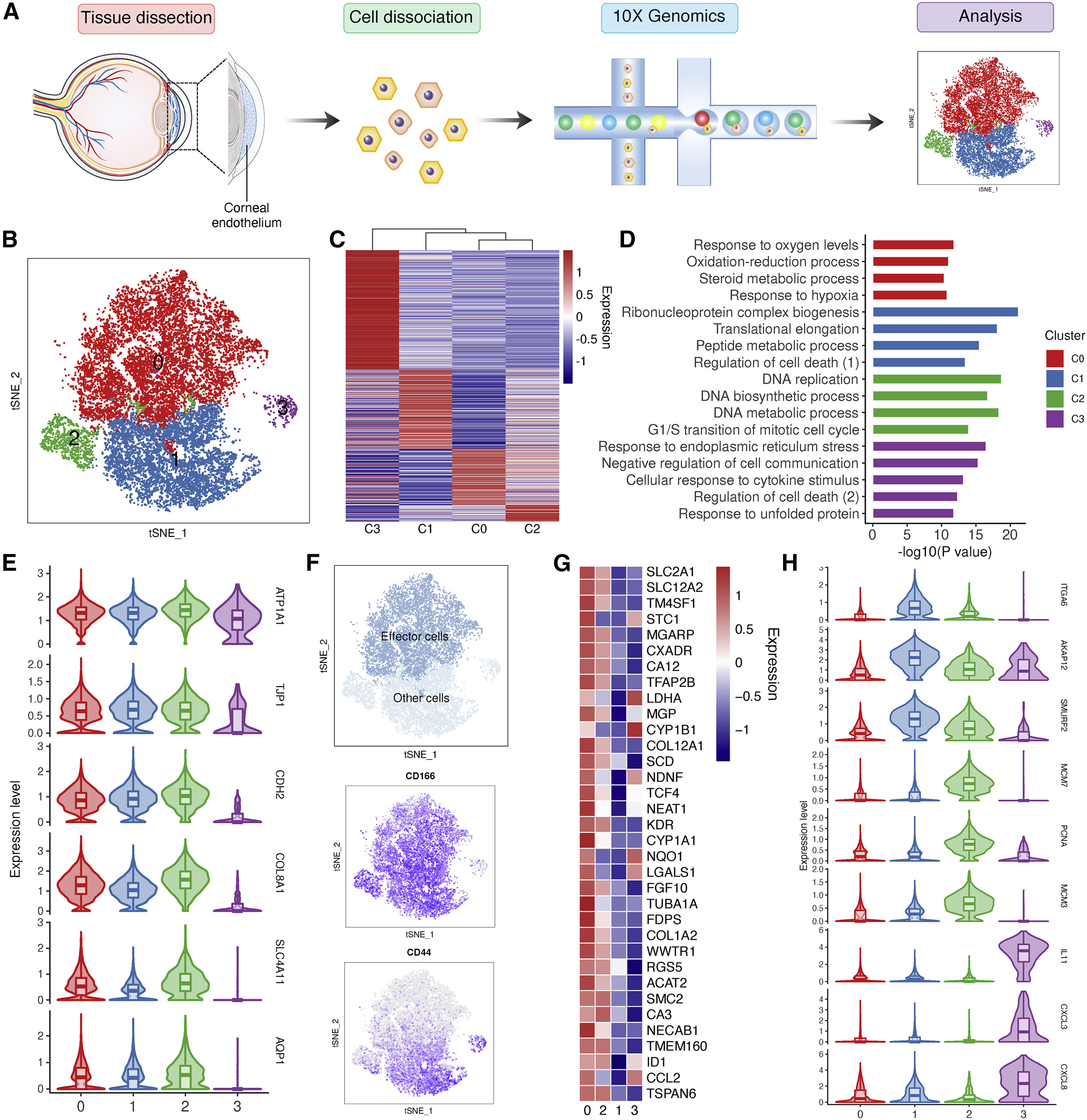
This study performed single-cell RNA sequencing of healthy human corneal endothelium and identified four endothelial subpopulations with distinct transcriptional signatures. The long non-coding RNA NEAT1 was highly expressed in the C0 subpopulation but markedly downregulated in Fuchs endothelial corneal dystrophy (FECD). A UVA-induced mouse FECD model confirmed NEAT1 loss. NEAT1 knockdown exacerbated endothelial damage, while CRISPR-activated adenoviral NEAT1 overexpression protected corneas from UVA-induced FECD. These findings reveal NEAT1 as a key regulator of corneal endothelial homeostasis and a potential therapeutic target for FECD.
Key Findings
Single-cell RNA sequencing of 16,942 cells from healthy human corneal endothelium identified four subpopulations (C0-C3) with distinct signatures. C0 showed enrichment for hypoxia response, redox, ion transport, and glycolysis/oxidative phosphorylation, and corresponded to effector-like cells. The long non-coding RNA NEAT1 was the top lncRNA in C0 but was markedly downregulated in FECD. A UVA-induced mouse FECD model confirmed Neat1 loss. Neat1 knockdown exacerbated endothelial damage, reducing cell density and hexagonality, increasing coefficient of variation and central corneal thickness, decreasing mitochondrial DNA copy number, and elevating ROS under oxidative stress. Conversely, rAAV CRISPRa-mediated Neat1 overexpression protected corneas from UVA-induced FECD and attenuated corneal thickness increases, with efficacy comparable to N-acetylcysteine. These findings indicate that NEAT1 maintains oxidant-antioxidant balance and corneal endothelial function, and its activation is a potential therapeutic strategy for FECD.
Contribution
Creative Bioarray provided the human corneal endothelial cell line HCEC-B4G12 and serum-free Human-Endothelial-SFM medium used for in vitro experiments. These reagents enabled NEAT1 knockdown, cell viability, mitochondrial DNA copy number, and ROS assays in human corneal endothelial cells, supporting the functional validation of NEAT1 in FECD.
Long non-coding RNA HOXA11-AS protects the barrier function of corneal endothelial cells by sponging microRNA-155 to alleviate corneal endothelial injury
Background
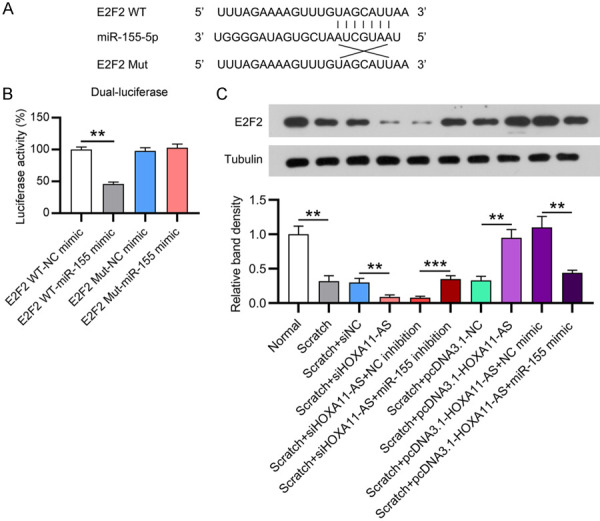
Corneal endothelial cells (CECs) are vulnerable to injury, and long non-coding RNA HOXA11-AS was investigated in corneal endothelial injury (CEI). Scratch-wound models in rats/mice and B4G12 CECs showed HOXA11-AS downregulation. HOXA11-AS overexpression reduced ferroptosis, improved viability, barrier proteins ZO-1/N-cadherin, and migration, whereas silencing worsened injury. HOXA11-AS sponged miR-155; miR-155 counteracted HOXA11-AS effects, and E2F2 acted downstream. The study identifies the HOXA11-AS/miR-155/E2F2 axis as a potential therapeutic target for corneal endothelial disorders.
Key Findings
In scratch-induced corneal endothelial injury models in rats and mice, HOXA11-AS expression decreased in a time-dependent manner. In B4G12 human corneal endothelial cells, scratch injury reduced viability, increased apoptosis and ferroptosis, elevated intracellular and lipid ROS, downregulated GPX4 and SLC7A11, upregulated ACSL4, impaired migration, and decreased ZO-1/N-cadherin. HOXA11-AS overexpression partially reversed these injury phenotypes, while HOXA11-AS silencing aggravated them. Bioinformatics and dual-luciferase assays showed HOXA11-AS directly sponges miR-155; scratch injury increased miR-155, and miR-155 mimic/inhibitor counteracted HOXA11-AS effects on viability, ferroptosis, and migration. E2F2 was identified as a downstream miR-155 target regulated by the HOXA11-AS/miR-155 axis. These findings establish HOXA11-AS as a protective lncRNA in corneal endothelium, acting via the miR-155/E2F2 pathway to maintain barrier function and limit ferroptosis after injury.
Contribution
Creative Bioarray provided the authenticated human immortalized corneal endothelial cell line B4G12, which was used for all in vitro scratch-injury, transfection, viability, ferroptosis, migration, and mechanistic assays. This cell material was essential for establishing the CEI cell model and validating the HOXA11-AS/miR-155 axis.
Type 2 Diabetes Mellitus Makes Corneal Endothelial Cells Vulnerable to Ultraviolet A-Induced Oxidative Damage Via Decreased DJ-1/Nrf2/NQO1 Pathway
Background
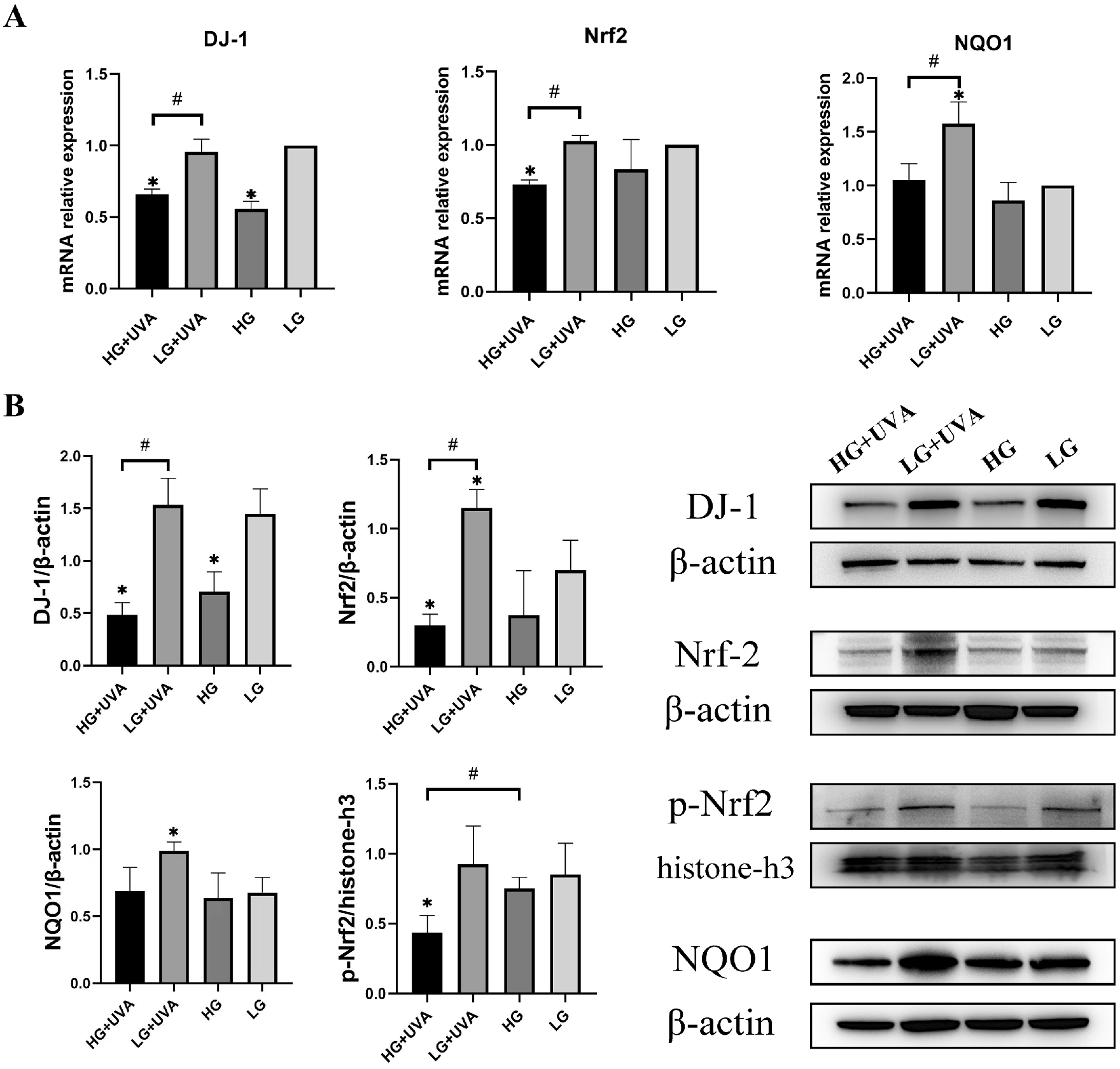
This study investigated whether type 2 diabetes mellitus (T2DM) increases corneal endothelial cell (CEC) vulnerability to ultraviolet A (UVA)-induced oxidative damage. Using db/db T2DM mice and human corneal endothelial cells exposed to high glucose and UVA, the authors measured corneal thickness, endothelial morphology, proliferation, apoptosis, reactive oxygen species, and the DJ-1/Nrf2/NQO1 antioxidant pathway. T2DM mice showed greater corneal edema and CEC damage after UVA. High-glucose cells had reduced proliferation, increased apoptosis and ROS, and decreased DJ-1/Nrf2/NQO1 expression with impaired Nrf2 nuclear translocation, suggesting a mechanism for enhanced oxidative susceptibility.
Key Findings
T2DM db/db mice exhibited significantly greater central corneal thickness increases and more severe corneal endothelial damage after 150 J/cm² UVA irradiation than non-diabetic controls, with progressive endothelial morphological abnormalities and greater cell loss. In vitro, human corneal endothelial cells cultured under high glucose and exposed to 5 J/cm² UVA showed reduced proliferation (to 31%), nearly doubled apoptosis, and 4.4-fold higher ROS than low-glucose UVA-treated cells. The antioxidant DJ-1/Nrf2/NQO1 pathway was suppressed: DJ-1, Nrf2, p-Nrf2, and NQO1 expressions were lower, and Nrf2 nuclear translocation was reduced in high-glucose cells after UVA. These findings indicate that T2DM impairs endogenous antioxidant defense, making corneal endothelial cells more vulnerable to UVA-induced oxidative damage.
Contribution
Creative Bioarray provided the human corneal endothelial cell line B4G12 (HCECs) used for all in vitro experiments. This cell line enabled assessment of high-glucose and UVA-induced oxidative damage, including proliferation, apoptosis, ROS, and DJ-1/Nrf2/NQO1 expression. The B4G12 cells were essential for the mechanistic studies.
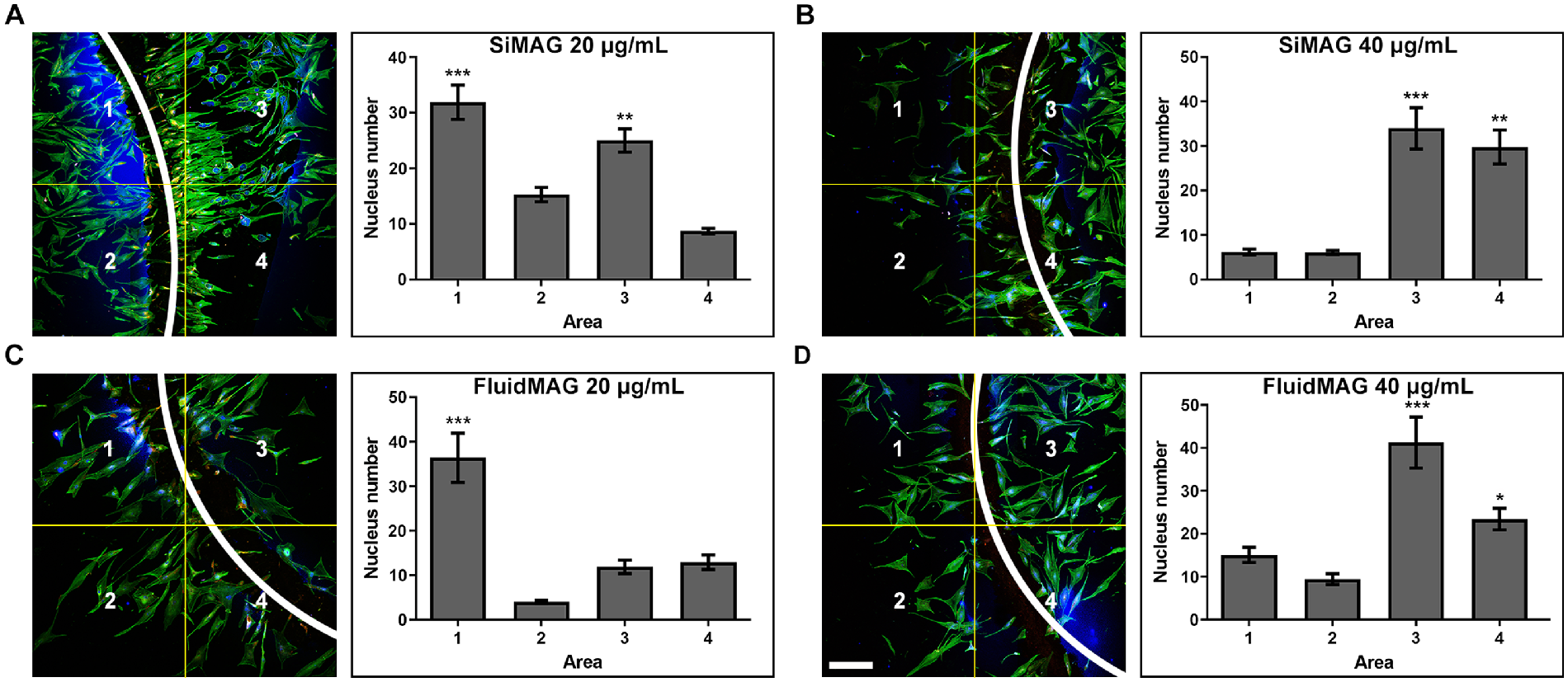
Effect of Magnetic Microparticles on Cultivated Human Corneal Endothelial Cells
Background
This study investigates the short-term effects of magnetic microparticles, SiMAG and fluidMAG, on cultivated human corneal endothelial cells (HCECs). Immortalized B4G12 and primary HCECs were exposed to varying particle concentrations, assessing viability, reactive oxygen species, lactate dehydrogenase, apoptosis markers, cytoskeletal integrity, and ex vivo human corneas. Results show tolerable safety up to 20 µg/mL for 48 hours, with dose-dependent toxicity at higher concentrations. Magnetic particle-loaded HCECs moved toward a neodymium magnet, increasing local cell density, suggesting a potential strategy for cell injection therapy or bioengineered corneal endothelial constructs.
Key Findings
Both SiMAG and fluidMAG magnetic particles entered HCEC cytoplasm without nuclear entry and maintained organelle structure. Cell viability remained stable up to 20 µg/mL for 48 hours in immortalized and primary HCECs, and up to 20 µg/mL for 72 hours in ex vivo human corneas. Higher concentrations (40–80 µg/mL) and longer exposure (72 hours) dose-dependently reduced viability, increased reactive oxygen species and lactate dehydrogenase, elevated Bax/Bcl-xL ratio, and decreased ERK phosphorylation and antioxidants NQO1/Nrf2. Cytoskeletal F-actin and ZO-1 remained intact at safe doses. When particle-loaded HCECs were cultured with a neodymium magnet, cells migrated toward the magnet area, and local cell density significantly increased in both immortalized and primary HCEC cultures. These findings support short-term safety and magnetic field-guided HCEC positioning for corneal endothelial injection therapy.
Contribution
Creative Bioarray provided the B4G12 immortalized human corneal endothelial cell line (CSC-C3457-CRA), human endothelial serum-free medium (CM-345L7), and fibroblast growth factor-2 (CSC-CTK0134), essential for cell culture and in vitro experiments. These reagents enabled evaluation of magnetic microparticle effects on HCEC viability, migration, and function.
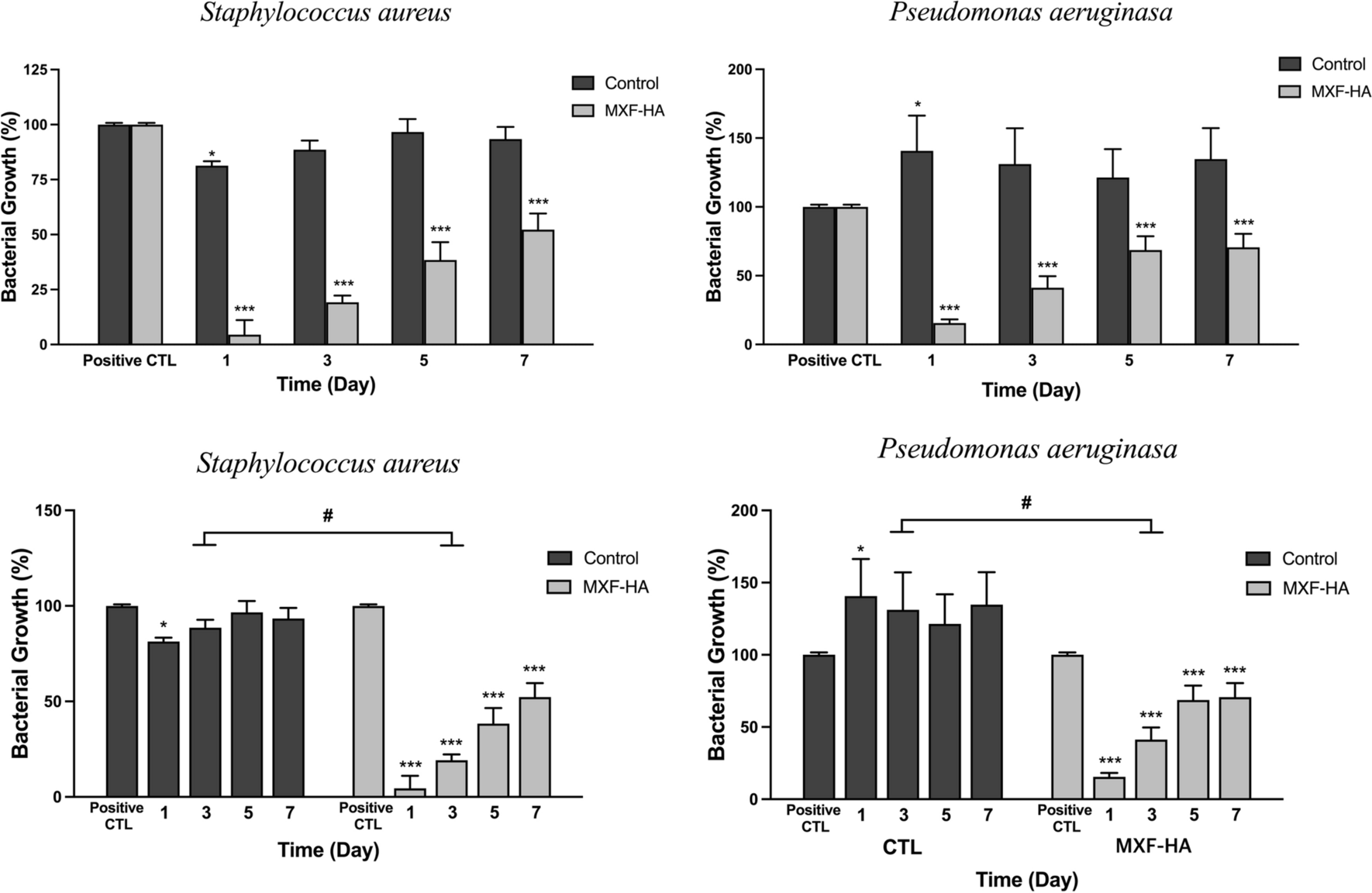
Moxifloxacin releasing intraocular implant based on a cross-linked hyaluronic acid membrane
Background
This study developed MXF-HA, an intraocular implant combining cross-linked hyaluronic acid and moxifloxacin, to prevent post-ophthalmic-surgery bacterial infection. The thin, transparent membrane hydrates after insertion into the anterior chamber and releases moxifloxacin via polymer degradation. In vitro and animal experiments assessed physical properties, drug release, biocompatibility, and antibacterial activity. MXF-HA maintained moxifloxacin above inhibitory concentrations for Pseudomonas aeruginosa and Staphylococcus aureus for over five days in rabbit eyes, supporting its potential as a sustained antibiotic delivery system after cataract surgery.
Key Findings
MXF-HA was fabricated as a thin, transparent, yellow-tinted cross-linked hyaluronic acid membrane containing 0.5% moxifloxacin. It absorbed water rapidly, reaching ~95.9% hydration and ~1500% weight increase, while maintaining >93% visible-light transmittance. SEM showed a highly porous, organized structure. In vitro, MXF-HA released moxifloxacin over several days, with 0.5% loading showing significant release through day 4 and 89.4% drug-loading efficiency. After implantation into rabbit anterior chambers, MXF-HA was visible initially and dissolved by day 7, but aqueous humor moxifloxacin remained above 8 µg/mL for 5 days, exceeding MIC90 for Staphylococcus aureus and inhibiting Pseudomonas aeruginosa. Intraocular pressure and corneal endothelial morphology/density remained normal, with no histologic inflammation. Rat eye extract antibacterial assays confirmed early inhibition of P. aeruginosa and S. aureus. These findings indicate MXF-HA provides sustained intraocular antibiotic delivery and is biocompatible, potentially replacing frequent postoperative antibiotic eye drops.
Contribution
Creative Bioarray provided the human corneal endothelial cell line B4G12, which was used to evaluate the corneal endothelial safety of MXF-HA in vitro. The cells were cultured in MXF-HA-containing medium, and viability was measured by CCK-8 assay, supporting the biocompatibility assessment.
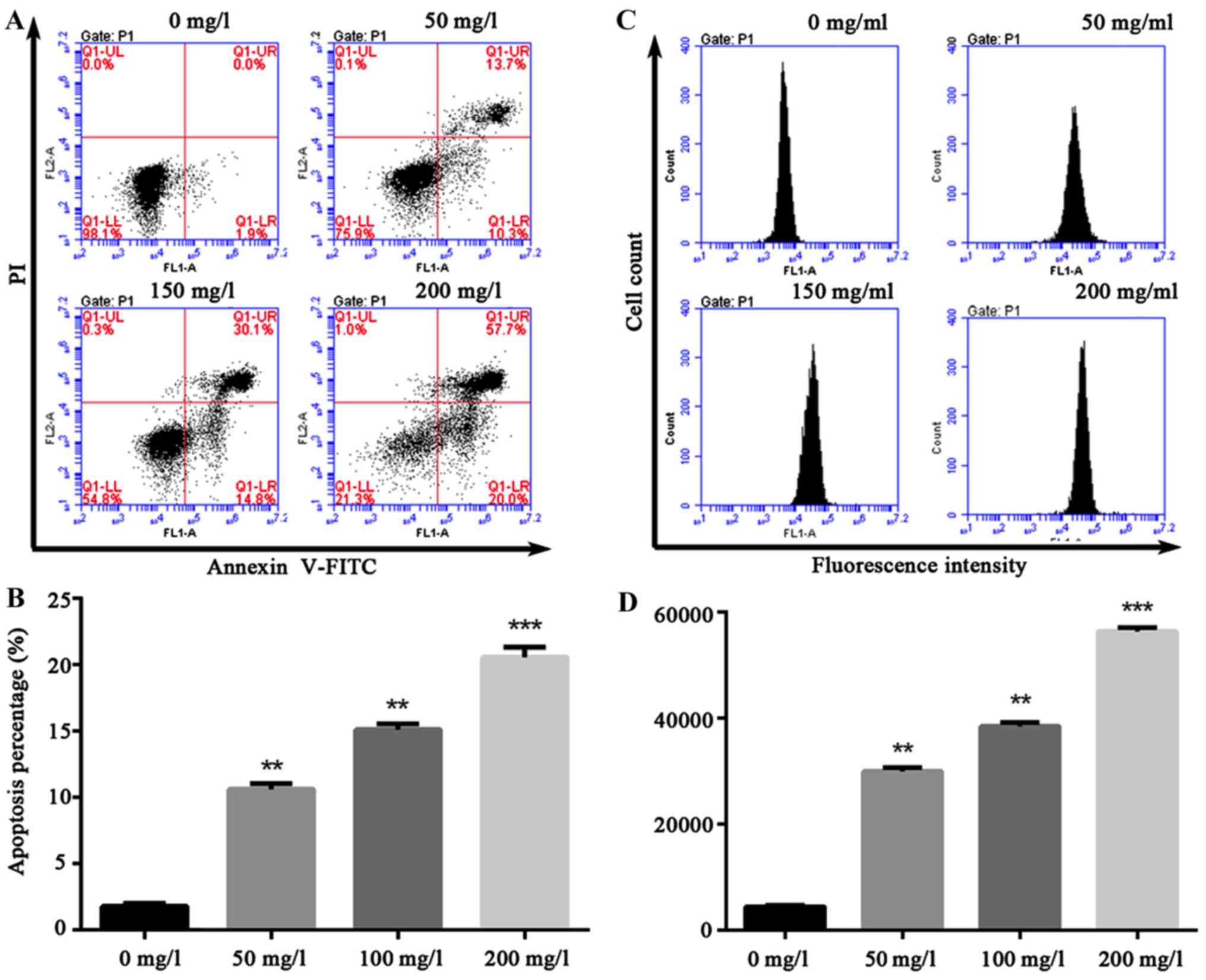
Protective effect and molecular mechanism of liquiritin on oxybuprocaine-induced apoptosis of human corneal endothelial cells
Background
This study investigates liquiritin, a Glycyrrhiza flavonoid, as a protector against oxybuprocaine-induced apoptosis in human corneal endothelial cells. Using HCEC-12 cells, researchers measured proliferation, apoptosis, reactive oxygen species, and NF-κB signaling. Oxybuprocaine inhibited proliferation and induced apoptosis/ROS in a concentration-dependent manner. Liquiritin pretreatment restored cell viability, reduced apoptosis and ROS, blocked nuclear NF-κB p65, decreased caspase-3 and Bax, and increased Bcl-2. The findings suggest liquiritin protects corneal endothelial cells by inhibiting NF-κB-mediated apoptosis.
Key Findings
Oxybuprocaine inhibited proliferation of HCEC-12, HCEC-H9C1, and HCEC-B4G12 in a concentration-dependent manner, with HCEC-12 most sensitive. It induced apoptosis and ROS production in HCEC-12. Liquiritin pretreatment significantly increased HCEC-12 viability, with maximal effect at 8 mg/ml, and reduced oxybuprocaine-induced apoptosis and ROS. Mechanistically, oxybuprocaine increased nuclear NF-κB p65 and decreased cytosolic NF-κB p65. Liquiritin and PDTC blocked nuclear NF-κB p65 elevation. TNF-α reversed liquiritin's protection. Oxybuprocaine increased caspase-3 and Bax and decreased Bcl-2; liquiritin and PDTC reversed these changes, while TNF-α blocked liquiritin's effects. Thus liquiritin inhibits NF-κB signaling, reducing pro-apoptotic proteins and increasing anti-apoptotic Bcl-2, protecting HCEC-12 from oxybuprocaine-induced apoptosis.
Contribution
Creative Bioarray contributed by providing the HCEC-12 human corneal endothelial cell line (cat. no. CSC-C3457) used throughout the study. This cell model enabled the authors to assess oxybuprocaine-induced apoptosis, ROS production, and liquiritin's protective effects, including NF-κB pathway and apoptosis-related protein analyses.
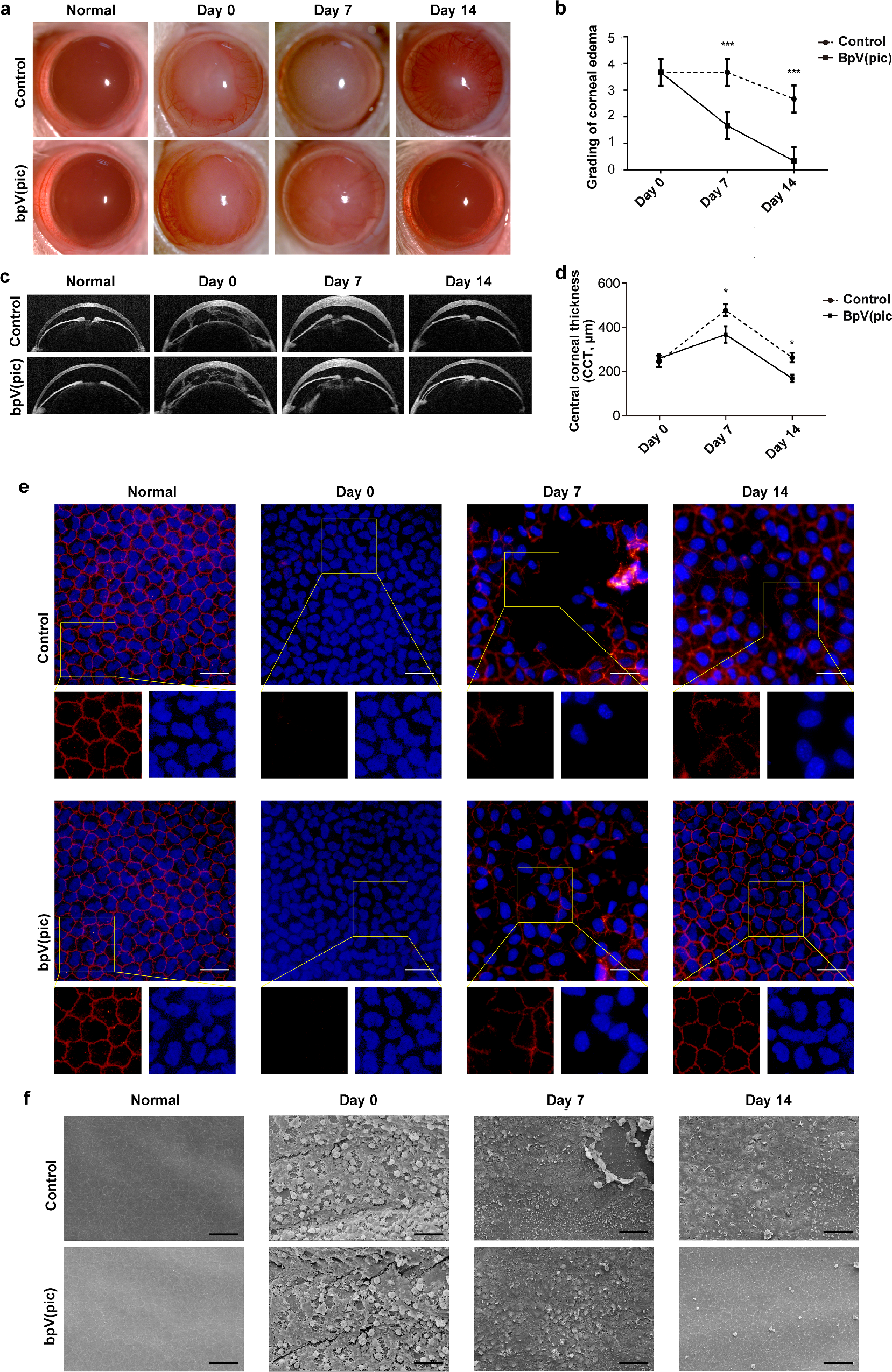
PTEN Inhibition Accelerates Corneal Endothelial Wound Healing through Increased Endothelial Cell Division and Migration
Background
This study investigates PTEN as a regulator of corneal endothelial cell (CEC) proliferation and migration. Human and rat corneal endothelium showed differential PTEN expression. Using the PTEN inhibitor bpV(pic) in B4G12 cells and organ-cultured rat corneas, the authors demonstrate that PTEN inhibition reverses TGF-β2-induced G1 arrest by reducing nuclear p27Kip1 and promotes CEC migration via PI3K/Akt signaling. Intracameral bpV(pic) injection accelerated corneal endothelial wound healing in a rat injury model, supporting PTEN as a potential therapeutic target for corneal endothelial dysfunction.
Key Findings
PTEN expression was higher in human corneal endothelium than in rat, potentially explaining species differences in proliferative capacity. In B4G12 human CECs, the PTEN inhibitor bpV(pic) alleviated TGF-β2-induced G1 arrest, decreasing nuclear p27Kip1 accumulation and total p27Kip1, and increased S-phase entry. bpV(pic) also promoted CEC migration and synergized with TGF-β2; this effect was blocked by PI3K/Akt inhibitor LY294002. In organ-cultured rat corneas, bpV(pic) increased BrdU-positive CECs under TGF-β2. In a rat corneal endothelial injury model, intracameral bpV(pic) reduced corneal edema, decreased central corneal thickness, and improved ZO-1 barrier recovery and endothelial morphology, accelerating wound healing. These results indicate that PTEN inhibition enhances CEC division and migration through p27Kip1 and PI3K/Akt pathways, offering a potential pharmacological strategy for corneal endothelial dysfunction.
Contribution
Creative Bioarray provided the human immortalized corneal endothelial cell line B4G12, which was used as the primary in vitro model for all cell cycle, proliferation, p27Kip1 localization, migration, and invasion experiments. This cell line enabled mechanistic studies of PTEN inhibition and TGF-β2 responses in human corneal endothelial cells.
Activation of kelch-like ECH-associated protein 1/nuclear factor erythroid 2-related factor 2/antioxidant response element pathway by curcumin enhances the anti-oxidative capacity of corneal endothelial cells
Background
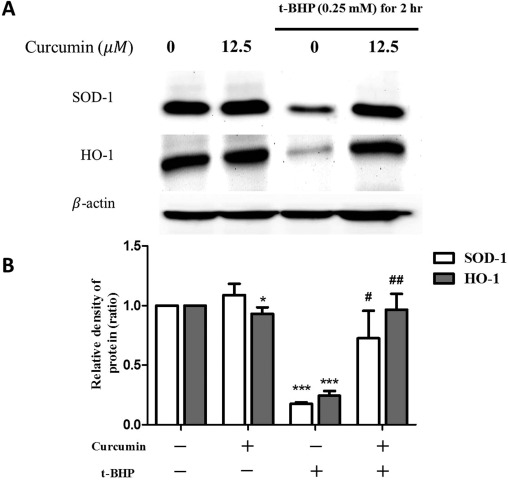
Fuchs endothelial corneal dystrophy (FECD) involves impaired antioxidative function in corneal endothelial cells (CECs). Curcumin has known antioxidative properties, but its effects on CECs were unclear. This study used immortalized human CECs (B4G12) and induced oxidative stress with tert-butyl hydroperoxide (t-BHP). Pretreatment with 12.5 μM curcumin significantly reduced reactive oxygen species (ROS), improved cell viability and morphology, and preserved ZO-1. Curcumin increased nuclear Nrf2 and downstream SOD-1 and HO-1 under oxidative stress. These findings indicate that curcumin activates the Keap1/Nrf2/ARE pathway to enhance CEC antioxidative capacity.
Key Findings
Curcumin pretreatment at 12.5 μM protected B4G12 human corneal endothelial cells against t-BHP-induced oxidative stress. It significantly decreased ROS production and improved cell viability and hexagonal morphology, while maintaining ZO-1 membrane localization. Mechanistically, curcumin did not alter total Nrf2 but significantly promoted nuclear translocation of Nrf2 under oxidative stress. It also increased Keap1 expression in stressed cells. Downstream antioxidant enzymes SOD-1 and HO-1 were significantly upregulated in curcumin-pretreated cells exposed to t-BHP, whereas no increase was observed without oxidative stress. These results demonstrate that curcumin enhances the antioxidative capacity of corneal endothelial cells by activating the Keap1/Nrf2/ARE pathway, suggesting a potential therapeutic strategy for FECD and other corneal endothelial disorders associated with oxidative damage.
Contribution
Creative Bioarray provided the immortalized human corneal endothelial cell line B4G12 (purchased from Creative Bioarray Co., New York, NY, USA). This cell line served as the critical experimental model for all in vitro assays, enabling the evaluation of curcumin's protective effects and activation of the Keap1/Nrf2/ARE pathway under oxidative stress.
Lysophosphatidic acid improves corneal endothelial density in tissue culture by stimulating stromal secretion of interleukin-1β
Background
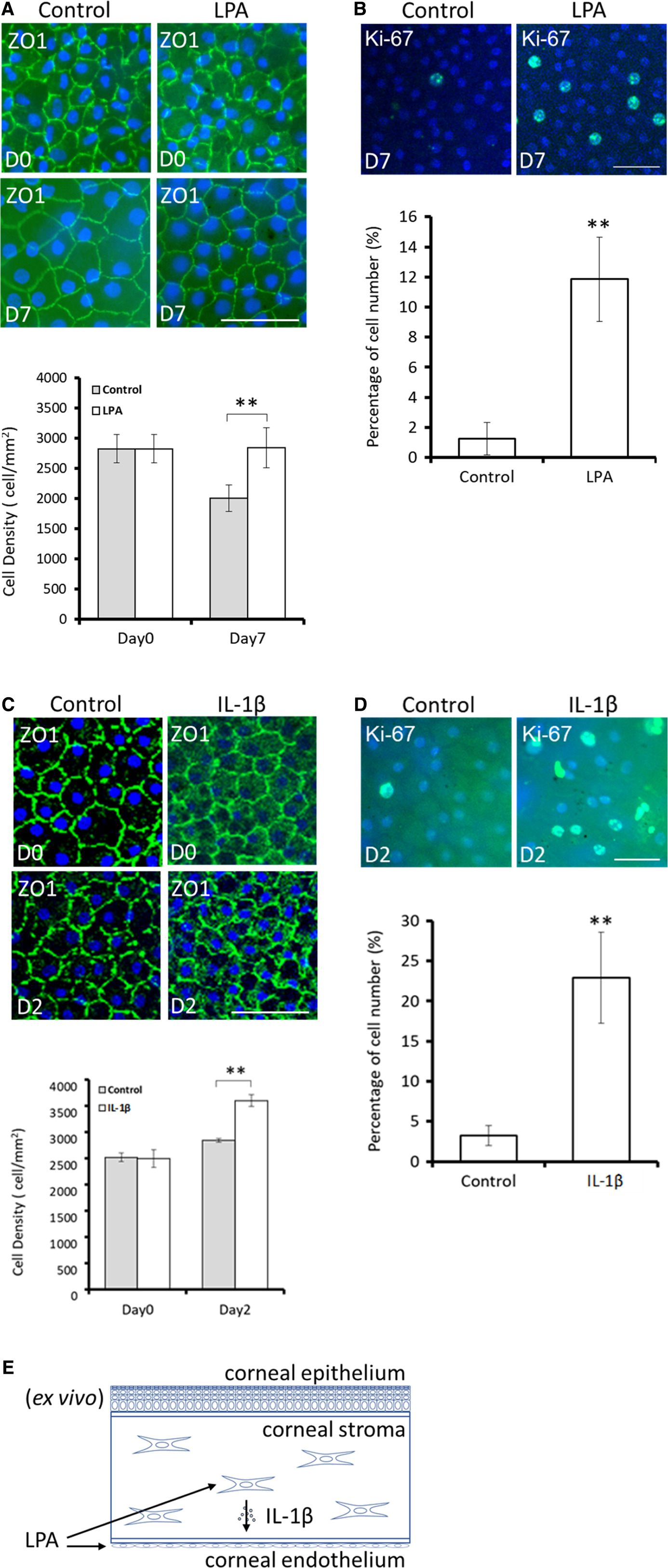
This study reports an airlift corneal tissue culture system to improve endothelial cell density in donor corneas. Lysophosphatidic acid (LPA) treatment increased rabbit corneal endothelial cell density, BrdU incorporation and wound healing. In human corneas, LPA or interleukin-1β (IL-1β) increased Ki-67-positive cells while preserving hexagonal morphology and ZO-1 expression. The effect was partly indirect: LPA stimulated corneal stromal cells to secrete IL-1β, which promoted endothelial proliferation. The protocol may help eye banks optimize corneal grafts.
Key Findings
The authors established an airlift tissue culture system that maintained corneal transparency and thickness better than immersion culture. In rabbit corneas, 20 μmol/L lysophosphatidic acid (LPA) significantly increased central endothelial cell density on days 5 and 7, increased BrdU-positive proliferating cells, and improved wound healing in damaged endothelium. LPA also improved endothelial density and circularity after transplantation. Co-culture and conditioned medium experiments showed that LPA acted partly through corneal stromal cells: LPA stimulated stromal secretion of interleukin-1β (IL-1β) and CCL20. Recombinant IL-1β, but not CCL20, promoted proliferation of immortalized human corneal endothelial cells and rabbit endothelial cells; IL-1β neutralization attenuated LPA-induced proliferation. In human donor corneas, LPA or IL-1β increased Ki-67-positive endothelial cells while maintaining hexagonal morphology and ZO-1 expression. The findings suggest LPA treatment before transplantation may increase endothelial cell density and improve donor cornea suitability.
Contribution
Creative Bioarray provided the immortalized human corneal endothelial cell line B4G12 used in this study. These cells were cultured in B4G12 medium and employed to test IL-1β- and CCL20-induced proliferation, LPA/stromal co-culture effects, and IL-1β neutralization, supporting the conclusion that stromal-derived IL-1β mediates LPA-promoted endothelial proliferation.
Extracellular Matrix Protein Coating of Processed Fish Scales Improves Human Corneal Endothelial Cell Adhesion and Proliferation
Background
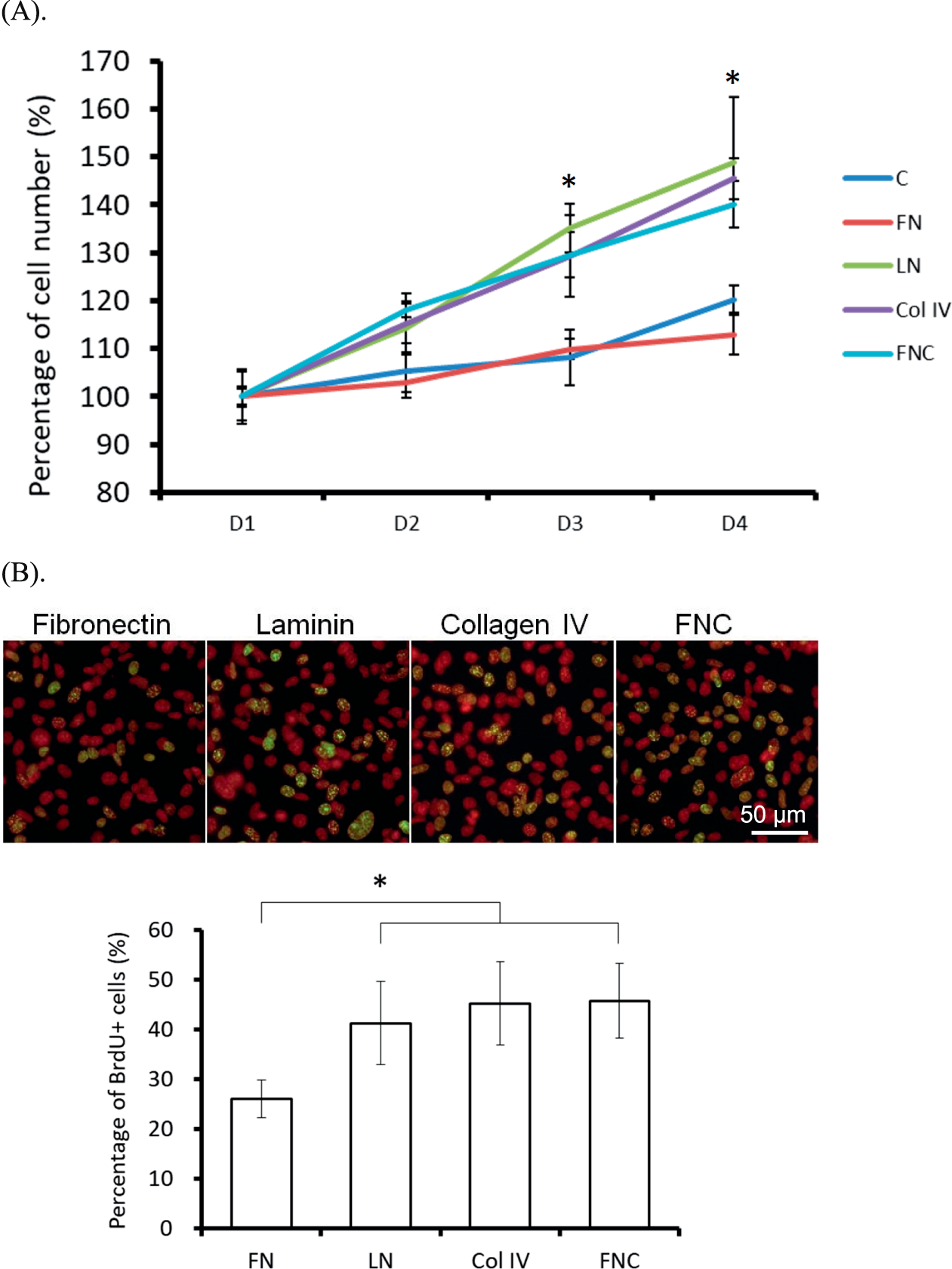
This study evaluated processed tilapia fish scales as a carrier for cultivated human corneal endothelial cells (HCECs) and compared them with gelatin and chitosan. Fish scales showed favorable transparency, mechanical strength, and biodegradability. Without extracellular matrix (ECM) coating, B4G12 HCECs aggregated; fibronectin, laminin, collagen IV, or FNC coating improved adhesion. Laminin, collagen IV, and FNC also enhanced proliferation and upregulated phospho-ILK and p63; FNC additionally modulated cyclin D1 and p27Kip1. ECM-coated fish scales may serve as a promising HCEC carrier for cell-based corneal endothelial therapy.
Key Findings
Processed fish scales had higher transparency than chitosan and greater strength than gelatin, and degraded in collagenase over 14 days. Immortalized HCECs (B4G12) cultured on uncoated fish scales failed to expand and formed aggregates. Coating with fibronectin, laminin, collagen IV, or FNC significantly increased cell adhesion; FNC produced the greatest adhesion (239.5% of control). Laminin, collagen IV, and FNC coatings also promoted proliferation, with increased cell counts and BrdU-positive cells compared with fibronectin. Mechanistically, laminin, collagen IV, and FNC upregulated phosphorylated ILK and p63; FNC additionally increased cyclin D1 and decreased p27Kip1. Primary HCECs also attached and maintained polygonal morphology on FNC-coated fish scales. Thus, ECM protein-coated processed fish scales provide improved cytocompatibility for HCEC expansion and may be useful as a cell carrier for corneal endothelial transplantation.
Contribution
Creative Bioarray provided the SV40-immortalized human corneal endothelial cell line B4G12 used throughout this study. These purchased cells enabled the evaluation of fish scale cytocompatibility, ECM protein coating effects, cell adhesion, proliferation, and signaling analyses, serving as a critical in vitro model for developing HCEC transplantation carriers.
Evaluation of moxifloxacin-induced cytotoxicity on human corneal endothelial cells
Background
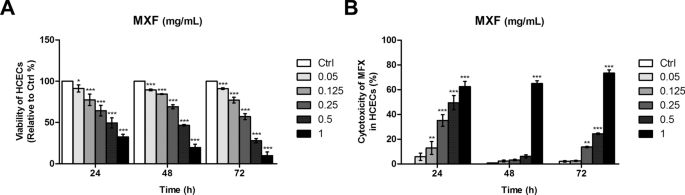
This study investigates the cytotoxicity of moxifloxacin hydrochloride (MXF) on immortalized human corneal endothelial cells (HCECs) and its underlying mechanisms. HCECs were exposed to MXF at various concentrations, and cell viability, membrane damage, reactive oxygen species (ROS), autophagy, apoptosis, and caspase activation were assessed. The results show dose-dependent toxicity, with even low concentrations reducing viability and increasing LDH release. MXF induced ROS generation, autophagy, and apoptosis via both caspase-dependent and caspase-independent pathways. These findings highlight the need to reconsider intracameral MXF injection safety for corneal endothelium.
Key Findings
MXF induced dose-dependent cytotoxicity in HCECs, with 0.05 mg/ml significantly reducing viability and increasing LDH release. ROS generation increased in dose- and time-dependent manners. Autophagy was activated, shown by increased LC3A/B II and further enhanced by chloroquine. Ultrastructural analysis revealed nuclear and cytoplasmic fragmentation. Apoptosis assays confirmed increased early and late apoptosis, validated by TUNEL staining in HCECs and ex vivo porcine corneas. Mechanistically, caspases 2, 3, and 8 were activated, Bax was upregulated, Bcl-xL downregulated, and AIF nuclear translocation occurred. These results indicate that MXF damages HCECs through oxidative stress, autophagy, and both caspase-dependent and caspase-independent apoptosis, especially at high doses.
Contribution
Creative Bioarray provided the B4G12 human corneal endothelial cell line, along with the recommended culture medium and fibroblast growth factor-2 (FGF-2). These materials were essential for maintaining cell characteristics and conducting the cytotoxicity, ROS, autophagy, and apoptosis experiments. Their products ensured reproducible and stable in vitro testing of MXF-induced HCEC damage.
Directed Differentiation of Human Corneal Endothelial Cells From Human Embryonic Stem Cells by Using Cell-Conditioned Culture Media
Background
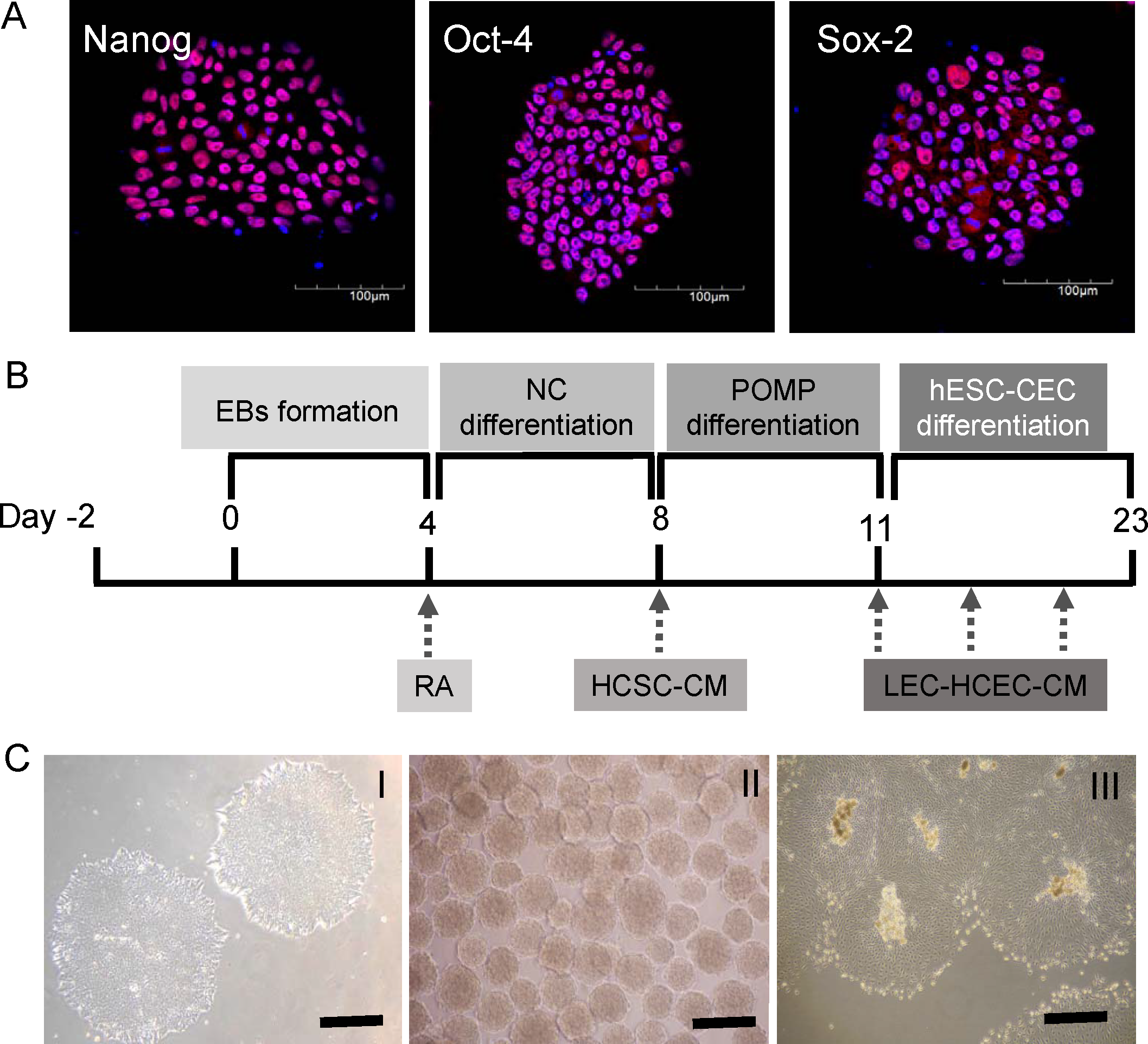
This study developed a two-stage, conditioned-medium approach to differentiate human embryonic stem cells (hESCs) into human corneal endothelial cell (HCEC)-like cells. hESCs were first treated with retinoic acid and human corneal stromal cell-conditioned medium to generate periocular mesenchymal precursors (POMPs). POMPs were then cultured in mixed lens epithelial cell- and HCEC-conditioned medium, yielding hexagonal cells expressing HCEC markers. The method avoids chemical compounds and may provide a cell source for corneal regenerative medicine.
Key Findings
The authors showed that hESCs can be directed to HCEC-like cells using a two-step protocol with cell-conditioned media rather than chemical inducers. hESCs formed embryoid bodies, and retinoic acid treatment drove neural crest differentiation, indicated by increased P75, AP2α, and CD57. Subsequent culture in human corneal stromal cell-conditioned medium induced periocular mesenchymal precursors, with peak FOXC1 and PITX2 expression at day 3. Switching to mixed lens epithelial cell- and HCEC-conditioned medium produced hexagonal corneal endothelial-like cells that expressed Na+/K+-ATPase, ZO-1, N-cadherin, and vimentin. Na+/K+-ATPase increased over time at mRNA and protein levels. The differentiation was associated with TGFβ-2/TGFβR1 signaling and FOXC1/PITX2 regulation. The protocol provides a simple, physiologically relevant method to generate HCEC-like cells for corneal regenerative medicine.
Contribution
Creative Bioarray (Creative Dynamics, Inc., NY, USA) supplied the HCEC-B4G12 human corneal endothelial cell line and Human-Endothelial-SFM medium. These reagents were used to generate HCEC-conditioned medium, a key component of the second-stage mixed conditioned medium that induced periocular mesenchymal precursors to differentiate into corneal endothelial cell-like cells.
Molecular Hydrogen Attenuated N-methyl-N-Nitrosourea Induced Corneal Endothelial Injury by Upregulating Anti-Apoptotic Pathway
Background
This study investigated whether molecular hydrogen (H2) protects corneal endothelial cells (CECs) from N-methyl-N-nitrosourea (MNU)-induced injury. Rabbit models and B4G12 CECs were treated with hydrogen-rich saline or H2. H2 reduced corneal edema, preserved endothelial morphology, and restored Na+/K+-ATPase and ZO-1 expression. Mechanistically, H2 decreased oxidative stress, suppressed NF-κB/NLRP3 and FOXO3a/p53/p21 pathways, and reduced apoptosis. These findings suggest topical H2 may prevent or attenuate corneal endothelial decompensation and maintain corneal transparency.
Key Findings
In vivo, MNU induced corneal edema, CEC loss, Descemet's membrane damage, oxidative stress, and apoptosis in rabbits. Hydrogen-rich saline (HRS) irrigation reduced corneal edema, lowered central corneal thickness, promoted CEC regeneration, preserved Descemet's membrane, and restored Na+/K+-ATPase expression. TUNEL and ROS staining showed HRS decreased MNU-induced apoptosis and reactive oxygen species, while 8-OHdG immunohistochemistry confirmed reduced oxidative DNA damage. In vitro, MNU inhibited B4G12 CEC proliferation and reduced ZO-1 and Na+/K+-ATPase; H2 reversed these effects, lowered MDA, increased catalase and GSH, and reduced Bax, caspase-3, and caspase-9 while increasing Bcl-2. H2 also suppressed MNU-induced nuclear translocation of NF-κB p65 and expression of NLRP3, ASC, caspase-1, and IL-1β, and inhibited FOXO3a/p53/p21 activation. Thus, H2 protects CECs by upregulating anti-apoptotic pathways and attenuating oxidative stress and inflammation.
Contribution
Creative Bioarray provided the immortalized corneal endothelial cell line B4G12 and human endothelial serum-free medium (SFM) used in this study. These reagents supported in vitro culture of CECs and enabled mechanistic experiments assessing molecular hydrogen protection against MNU-induced injury, thus facilitating the investigation.

Development of a novel hyaluronic acid membrane for the treatment of ocular surface diseases
Background
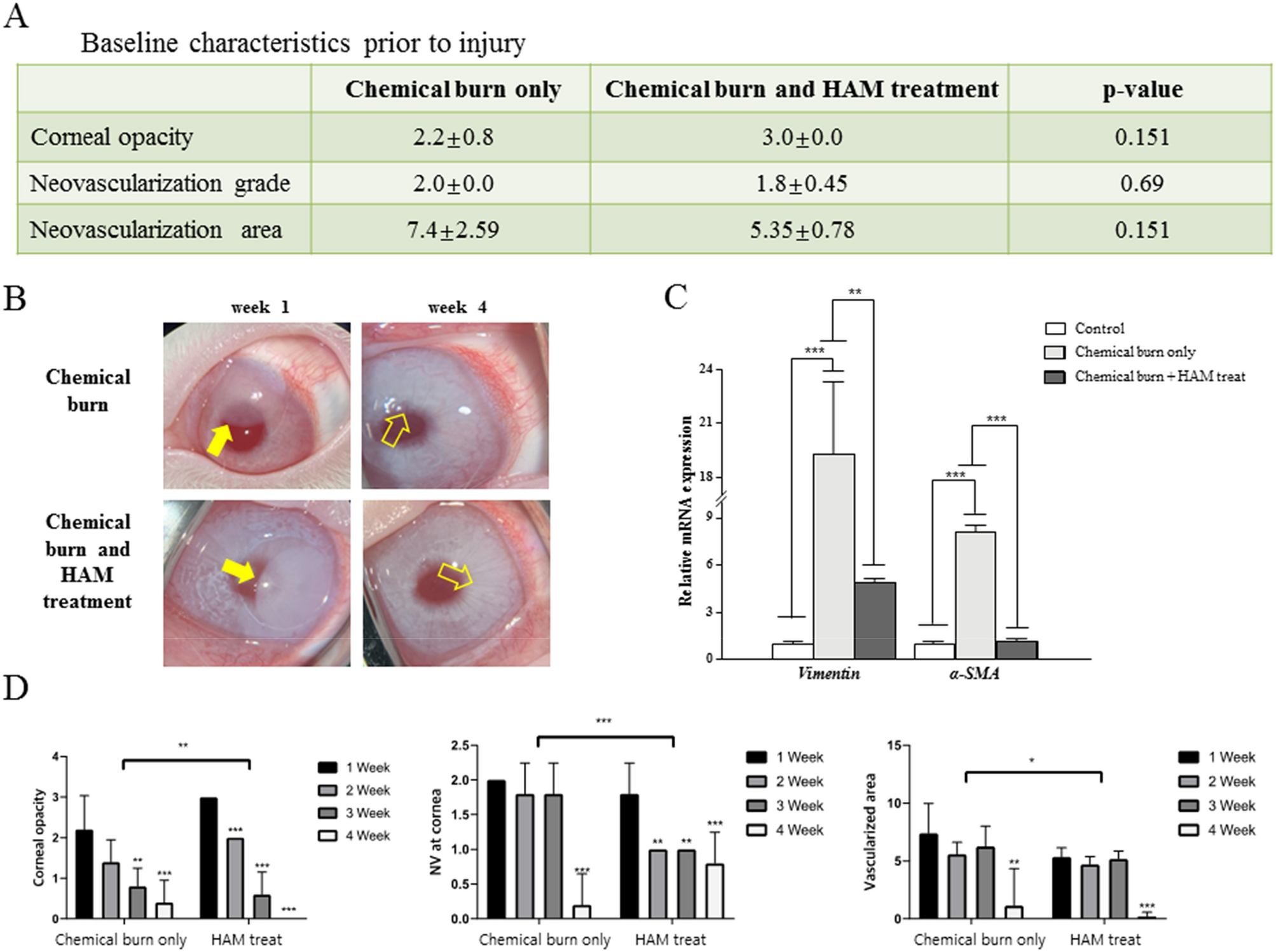
Researchers developed a transparent hyaluronic acid membrane (HAM) crosslinked with 1,4-butanediol diglycidyl ether for treating ocular surface diseases. The HAM was firm when dry, swelled rapidly with high water retention, and transmitted over 90% visible light. In primary human corneal epithelial cells, HAM increased viability and proliferation markers without toxicity. In rabbit models of corneal epithelial injury, conjunctival scarring, and alkali burn, HAM improved epithelial healing and reduced neovascularization, opacity, and fibrosis, demonstrating potential as a sustained-release bioactive ocular surface dressing.
Key Findings
Crosslinking HA with 0.01% BDDE produced a stable, transparent HAM with low residual BDDE (<0.5 ppm), high hydration (98.7% water), and >90% visible light transmittance. HAM released HA fragments averaging 276 kDa. In primary human corneal epithelial cells, HAM did not cause toxicity and increased cell viability and MK167/Ki67 expression. In rabbit mechanical corneal wound models, HAM maintained its membrane form for 48 h, fit the corneal surface, and accelerated epithelial healing, achieving complete re-epithelialization at 72 h versus incomplete healing in controls. In a conjunctival scar model, HAM reduced fibrosis, collagen deposition, vascularization, and expression of vimentin and α-SMA. In an alkali burn model, HAM improved corneal transparency and reduced neovascularization area and grade, with lower vimentin and α-SMA expression. Together, these results show HAM is safe and effective for promoting ocular surface wound healing and reducing scarring, supporting further development for OSD treatment.
Contribution
Creative Bioarray provided the B4G12 human corneal endothelial cell line used as a control in corneal epithelial marker characterization. This commercial cell line helped validate the phenotype of primary cultured human corneal epithelial cells, supporting the in vitro safety and proliferation assessments of the novel hyaluronic acid membrane.
Safety of Nonporous Silica Nanoparticles in Human Corneal Endothelial Cells
Background
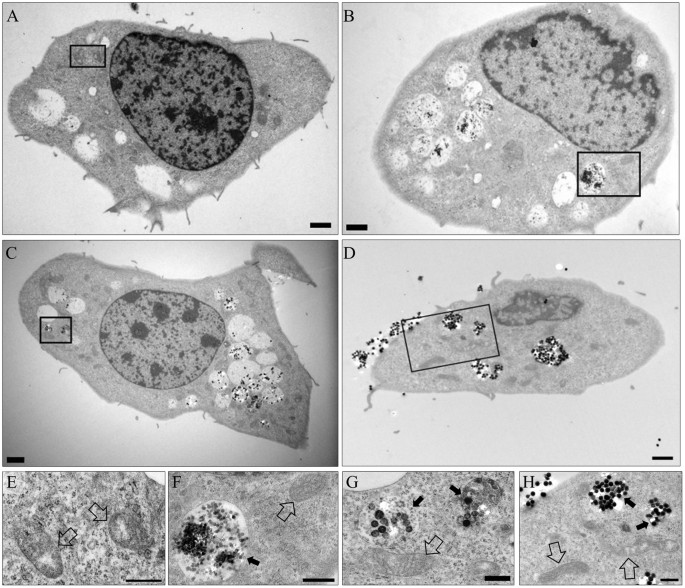
Nonporous silica nanoparticles (SiNPs) are promising intraocular drug-delivery carriers, but their safety for human corneal endothelial cells (HCECs) is unclear. This study tested 50, 100, and 150 nm SiNPs at 0–100 µg/mL in B4G12 HCECs for up to 48 h. TEM showed cytoplasmic vacuole uptake without mitochondrial damage. Viability and LDH release remained largely unchanged, while autophagy increased dose-dependently and mTOR activation stayed unchanged. Ex vivo human corneas and in vivo rabbit intracameral injections showed no acute endothelial toxicity, though long-term effects remain unknown.
Key Findings
Nonporous SiNPs of 50, 100, and 150 nm were internalized by B4G12 HCECs into cytoplasmic vacuoles, with intact mitochondria and nuclear membranes. At concentrations up to 100 µg/mL and exposures up to 48 h, cellular viability and LDH release were essentially unchanged, indicating no significant acute cytotoxicity. All three SiNP sizes triggered dose-dependent autophagy, shown by increased LC3A/B II and LC3B staining, particularly at 100 µg/mL, whereas mTOR phosphorylation remained unchanged, suggesting survival signaling was not inhibited. Ex vivo human corneal tissue cultured with 100 µg/mL SiNPs for 72 h showed no significant endothelial cell death and preserved hexagonal F-actin architecture. In vivo rabbit corneas given intracameral SiNP injections (0.05 mL, 200 mg/mL) maintained transparency, normal endothelial cell density, and normal histology after two weeks. Thus, 50–150 nm nonporous SiNPs caused no significant acute corneal endothelial toxicity under tested conditions, but long-term safety remains unknown.
Contribution
Creative Bioarray provided the B4G12 human corneal endothelial cell line (CSC-C3457-CRA) and recommended culture reagents: human endothelial serum-free medium (CM-345L7) and fibroblast growth factor-2 (CSC-CTK0134). These standardized materials supported the in vitro HCEC experiments used to assess silica nanoparticle uptake, viability, LDH release, autophagy, and mTOR signaling.
Electrospun nanofibrous SF/P(LLA-CL) membrane: a potential substratum for endothelial keratoplasty
Background
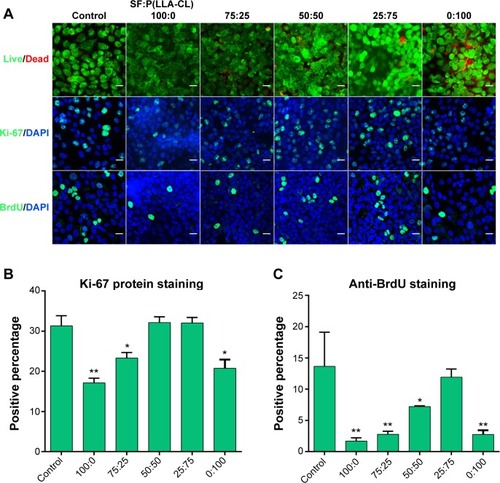
This study developed electrospun nanofibrous silk fibroin (SF)/poly(l-lactic acid-co-ε-caprolactone) [P(LLA-CL)] membranes with five blend ratios for corneal endothelial tissue engineering. Human corneal endothelial B4G12 cells were cultured on the scaffolds. The 25:75 SF:P(LLA-CL) membrane showed the highest light transmittance, fastest cell adhesion, and greatest proliferation. All scaffolds supported cell viability, monolayer formation, and stable expression of most functional genes. The findings suggest the 25:75 blend has potential as a substratum for endothelial keratoplasty.
Key Findings
Five electrospun SF/P(LLA-CL) scaffolds (100:0, 75:25, 50:50, 25:75, 0:100) were fabricated and evaluated with HCEC-B4G12 cells. The 25:75 blend had the best light transmittance, reaching about 90% of glass coverslip transparency. Cell adhesion was improved on all electrospun membranes versus tissue-culture controls, with faster adhesion as P(LLA-CL) content increased. The 25:75 membrane showed the highest cell proliferation by Ki-67 and BrdU staining and supported monolayer formation with ZO-1-positive tight junctions. Most functional genes, including ion channels, aquaporin-1, and junction proteins, were stably expressed. Only aquaporin-1 and SLC4A4 showed >2-fold changes on some blends; collagen IV/VIII slightly decreased on selected scaffolds, but no significant inflammation or apoptosis markers were detected. Overall, 25:75 SF:P(LLA-CL) is a promising biocompatible substratum for corneal endothelial transplantation.
Contribution
Creative Bioarray provided the immortalized human corneal endothelial B4G12 cell line used in this study. This cell line enabled the evaluation of cell adhesion, viability, proliferation, monolayer formation, and functional gene expression on the SF/P(LLA-CL) electrospun scaffolds, serving as the key biological model for assessing scaffold cytocompatibility and potential for corneal endothelial regeneration.
Electrospun collagen/poly(L-lactic acid‑co‑ε‑caprolactone) scaffolds for conjunctival tissue engineering
Background
Conjunctival injuries remain challenging to treat. This study fabricated an ultrathin porous collagen/poly(L-lactic acid-co-ε-caprolactone) (PLCL) nanofibrous scaffold by electrospinning, with 20 µm thickness and 248.83±26.44 nm fibers. Conjunctival epithelial cells adhered, proliferated, and maintained high viability on the scaffolds. The scaffold supported expression of conjunctival epithelial markers and goblet cell marker MUC5AC, without increased inflammatory cytokine expression. After two weeks, cells formed three to four stratified epithelial layers. Collagen/PLCL scaffolds may be useful for conjunctival epithelial coloboma repair and ocular surface reconstruction.
Key Findings
An ultrathin collagen/PLCL nanofibrous scaffold was successfully fabricated by electrospinning, with a thickness of 20 µm, high porosity, and average fiber diameter of 248.83±26.44 nm. The scaffolds were hydrophilic and possessed suitable tensile properties. Conjunctival epithelial cells seeded on collagen/PLCL scaffolds attached and spread with polygonal morphology, proliferated over 7 days, and showed high viability with few dead cells. Immunofluorescence and RT-qPCR confirmed expression of conjunctival epithelial markers CK4 and CK19 and goblet cell marker MUC5AC; MUC5AC transcripts increased 1.5-fold versus TCPS controls. Inflammatory cytokines IL-4, IL-5, and IL-6 were not significantly elevated. After 2 weeks of in vitro culture, H&E staining revealed three to four stratified epithelial layers, resembling native conjunctiva. These findings suggest collagen/PLCL scaffolds are cytocompatible, support goblet cell differentiation, and have potential for conjunctival epithelial repair.
Contribution
Creative Bioarray provided the B4G12 human corneal endothelial cell line used to evaluate whether the collagen/PLCL scaffolds altered cell cycle progression. This cell line enabled flow cytometry analysis, supporting assessment of the scaffolds’ cytocompatibility and lack of adverse effects on cell proliferation.
Lysophosphatidic acid induces YAP-promoted proliferation of human corneal endothelial cells via PI3K and ROCK pathways
Background
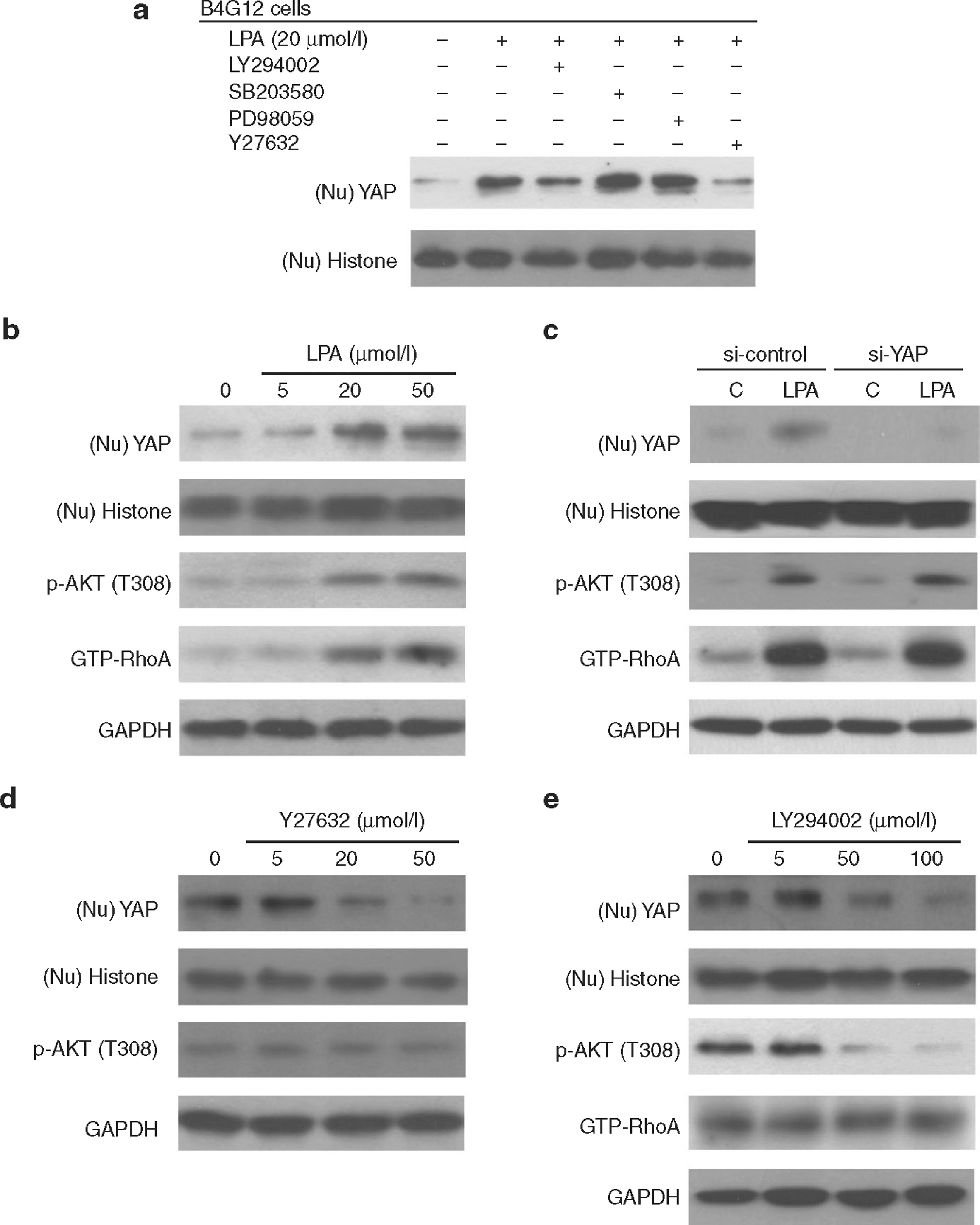
This study investigates whether lysophosphatidic acid (LPA) can promote ex vivo expansion of human corneal endothelial cells (HCECs) by relieving contact inhibition. It shows that exogenous YAP induces proliferation in contact-inhibited HCECs and B4G12 cells, increasing cyclin D1 while reducing p27KIP1/p21CIP1 and driving G1/S transition. LPA enhances nuclear translocation of YAP and proliferation without endothelial–mesenchymal transition, preserving hexagonal morphology and ZO-1, Na/K-ATPase expression. PI3K and ROCK, but not ERK or p38, mediate LPA-induced YAP nuclear localization. The findings suggest a natural-compound strategy for cultivating HCECs for transplantation and cell therapy.
Key Findings
The study demonstrates that YAP overexpression unlocks contact inhibition in human corneal endothelial cells (HCECs) and B4G12 cells, promoting proliferation by upregulating cyclin D1 and downregulating p27KIP1/p21CIP1, thereby enhancing G1/S transition. LPA treatment dose-dependently induces nuclear translocation of YAP and increases proliferation in contact-inhibited HCEC monolayers and postconfluent B4G12 cells. Mechanistically, PI3K and ROCK pathways are required for LPA-induced YAP nuclear translocation, whereas ERK and p38 are not involved. LPA- or YAP-treated cells maintain hexagonal morphology and normal expression of ZO-1 and Na/K-ATPase, with no smooth muscle actin expression or endothelial–mesenchymal transition. The findings identify LPA/YAP signaling as a potential strategy for ex vivo expansion of HCECs, avoiding RNA interference-related off-target concerns and supporting cell therapy and transplantation applications.
Contribution
Creative Bioarray provided the human corneal endothelial cell line B4G12 used for mechanistic experiments. These cells enabled the authors to confirm YAP overexpression effects, analyze cell cycle regulators, and dissect LPA-induced PI3K/ROCK-dependent YAP nuclear translocation. Thus, Creative Bioarray’s B4G12 cell line was essential for validating the proposed proliferation mechanism and signaling pathway.
Complexed Ubiquinol Lowers ROS in HCEC-B4G12 and is not Toxtic to HCEC-B4G12
Donor tissues, such as those for corneal transplantation, face significant challenges during hypothermic preservation, including defective cellular metabolism, impaired mitochondrial function, and increased cell death. These issues mainly result from oxidative stress due to accumulated reactive oxygen species (ROS) within cells. Naguib's team developed a novel and stable formulation combining ubiquinol with gamma cyclodextrin (γ-CD) to enhance ubiquinol's aqueous stability and antioxidant activity.
This complex was tested for its ability to scavenge intracellular ROS and toxicity using a high-fidelity immortalized human endothelial cell culture model (HCEC-B4G12). ROS levels were significantly lower in B4G12 cells when complexed ubiquinol at low and high concentrations (1 μM and 100 μM) were used, compared to free ubiquinol in suspension (Fig. 1A and 1B). γ-CD alone was not active. The complex at low concentration (1 μM) was more efficient than ubiquinol at high concentration (100 μM) in ROS mitigation in B4G12 cells. The complex at an equivalent ubiquinol concentration of 100 μM showed complete peak shift by an order of magnitude, and the fluorescence (geometric mean) of cells in this group was about one tenth of that of cells treated with 100 μM of free ubiquinol, indicating total abolition of ROS levels in corneal endothelial cells at this concentration. MTS assay results using HCEC-B4G12 cells tested after 24 and 72 h of exposure showed no inhibition of proliferation or signs of cell death for complexed ubiquinol, free ubiquinol, or γ-CD at all concentrations tested (Fig. 1C). No microscopic signs indicating signs of cell stress or death after 72 h of treatment groups were detected for all groups.
 Fig. 27. (A-B) Complexed ubiquinol lowers ROS in human corneal endothelial cells (HCEC-B4G12). (C) Complexed ubiquinol is not toxic to human corneal endothelial cells (Naguib Y W, Saha S, et al., 2021).
UV Exposure Activates TRPV Channels and Contributes to the Endothelial Pumping Dysfunction
Fuchs endothelial corneal dystrophy (FECD) is caused by ultraviolet A (UVA) exposure, which damages the corneal endothelium's barrier and pump functions by releasing reactive oxygen species (ROS). The link between UVA exposure levels and TRPV ion channel activation hasn't been explored. Kim's team examined how UVA exposure affects TRPV1 and TRPV4 activation in corneal cells, influencing cell size and junction proteins, to understand their role in the disease's progression.
HCEC-B4G12 was cultured for 7 days from the initial seeding density at 1x10⁴ cells/cm2 for creating monolayered cornea endothelium before applying UVA. Using an UVA light source (365 nm, 2.4mW/cm2), they irradiated UVA daily for 4 weeks to the cells with 2 J/cm2 (4 min), 4 J/cm2 (8 min), and 8 J/cm2 (16 min) energy levels based on the damage threshold of cornea endothelium to simulate chronic FECD. During the experiments, the cell morphology, size, junction protein, and TRPV 1 and 4 were observed. For quantification of these images, MATLAB and image J were utilized for accurate data analysis. Before exposing UVA, they confirmed the expression of ZO-1 and hexagonal morphology of the corneal endothelium. As increasing UVA intensity, cell enlargement and shape distortion from initial hexagonal shape have been observed without significant alteration of ZO-1 expression. Compared to each group, the most substantial size alterations were observed from the case of the 8 J/cm2. For TRPV 1 and 4 expression studies, they were able to confirm that UVA showed agonistic effect for both TRPV channels. There was no TRPV1 expression for intact corneal endothelial cells, whereas UVA treatment induced TRPV1 expression with the UVA exposure level. For TRPV4 expression, they observed the expression on intact corneal endothelial cells and the level of TRPV4 expression increased as UVA exposure level increased (Fig. 2).
 Fig. 28. The effect of ultraviolet A on TRPV1 and 4 activations on corneal endothelium (Kim J; Kim M, et al., 2023).
Ask a Question
Write your own review
Description: Species: human female; Tissue: lymphocyte, B; Pathology: paroxysmal nocturnal hemoglobinuria; Transformed by: Epstein-Barr
Description: Human cell line derived from malignant peripheral nerve sheath tumor.
Description: Species: human female; Tissue: lymphocyte, B; Pathology: paroxysmal nocturnal hemoglobinuria; Transformed by: Epstein-Barr
Description: Established from the primary lesion resected from a 76-year-old woman with bulky, moderately differentiated squamous cell carcinoma of the vulva in 1984; cells were reported to express an elevated ...
- Adipose Tissue-Derived Stem Cells
- Human Neurons
- Mouse Probe
- Whole Chromosome Painting Probes
- Hepatic Cells
- Renal Cells
- In Vitro ADME Kits
- Tissue Microarray
- Tissue Blocks
- Tissue Sections
- FFPE Cell Pellet
- Probe
- Centromere Probes
- Telomere Probes
- Satellite Enumeration Probes
- Subtelomere Specific Probes
- Bacterial Probes
- ISH/FISH Probes
- Exosome Isolation Kit
- Human Adult Stem Cells
- Mouse Stem Cells
- iPSCs
- Mouse Embryonic Stem Cells
- iPSC Differentiation Kits
- Mesenchymal Stem Cells
- Immortalized Human Cells
- Immortalized Murine Cells
- Cell Immortalization Kit
- Adipose Cells
- Cardiac Cells
- Dermal Cells
- Epidermal Cells
- Peripheral Blood Mononuclear Cells
- Umbilical Cord Cells
- Monkey Primary Cells
- Mouse Primary Cells
- Breast Tumor Cells
- Colorectal Tumor Cells
- Esophageal Tumor Cells
- Lung Tumor Cells
- Leukemia/Lymphoma/Myeloma Cells
- Ovarian Tumor Cells
- Pancreatic Tumor Cells
- Mouse Tumor Cells