
Wax Infiltration Protocol
GUIDELINE
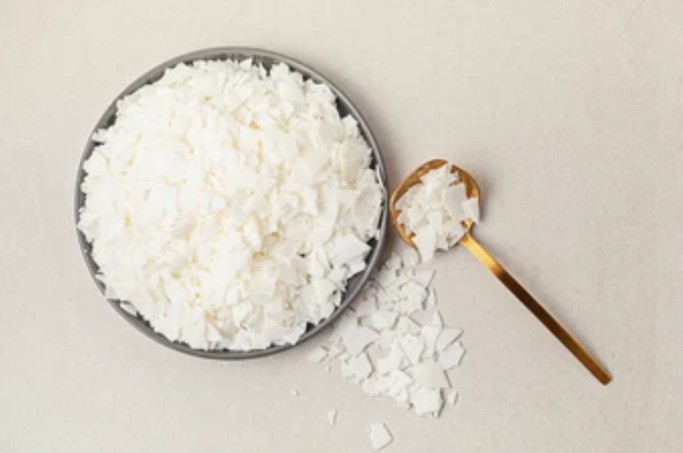
- After the tissue is completely transparent with the transparent agent, it is placed in the paraffin wax which is melted at about 65°C. The process of impregnation in the electric thermostat at 65°C is called wax immersion.
- When the tissue is immersed in wax, the paraffin wax enters all corners of the tissue and is preserved in all corners due to the action of the inducer (xylene). When the paraffin is embedded and cooled, the paraffin immersed in it can play a supporting role, and prevent the tissue from deformation, collapse and other phenomena, so that the section can be completely cut out for easy observation under the mirror.
METHODS
Improvement of Wax Properties
- Wax heating and cooling method. The wax is placed in a container and heated on an electric furnace. With the extension of time and the increase of temperature, the sound will gradually decrease until it disappears. At this time, the container of wax can be immersed in cold water, wax condensation, and then continue to heat, so repeated several times that melting-cooling -melting-cooling. This treatment method can increase the density and plasticity of paraffin and remove impurities.
- Increasing and improving the toughness and viscosity of wax. This method requires the addition of some things to obtain, such as beeswax and hard fat, the highest melting point of beeswax can reach more than 70°C, increasing it can increase the hardness of paraffin wax.
Traditional Wax Dip Method
- This is a manual wax dip method without vacuum negative pressure.
- According to the melting point of paraffin, determine the temperature of the wax dipping box. If the melting point of hard wax is 62°C, the temperature of the wax dipping box should be 2-3°C higher than the melting point of paraffin, that is, the wax dipping box is adjusted at 65°C.
- The tissue into the soft wax, and then into the hard wax, according to the different tissues, the size of the tissue to determine the wax immersion time, small tissue 20-30 minutes, large tissue several hours.
Vacuum Negative Pressure Wax Immersion Method
Vacuum negative pressure wax immersion method uses a vacuum pump to pull out the air in the box, to form vacuum negative pressure. Under this condition, due to the weightlessness, various molecular activities are accelerated, which promotes the rapid completion of the wax immersion process.
NOTES
- Increasing the hardness of paraffin wax can also be added fat wax acid, tar, bayberry wax, etc.
- The temperature of the vacuum constant temperature drying oven should be slightly higher than that of the traditional wax immersion method, because when the air is pumped to form a vacuum, the hot air in the box will be extracted, resulting in the temperature in the box falling, so that the melted paraffin condensing into blocks.
RELATED PRODUCTS & SERVICES
For research use only. Not for any other purpose.
Resources
- FAQ
- Posters & Downloads
- Protocol
- Tools
- Cell Culture Guide
- Technical Bulletins
-
Explore & Learn
-
Cell Biology
- Monocytes vs. Macrophages
- How to Detect and Remove Endotoxins in Biologics?
- Comparison of Different Methods to Measure Cell Viability
- CFU Assay for Hematopoietic Cell
- Techniques for Cell Separation
- Biomarkers and Signaling Pathways in Tumor Stem Cells
- Circulating Tumor Cells as Cancer Biomarkers in the Clinic
- What Are Myeloid Cell Markers?
- How to Start Your Culture: Thawing Frozen Cells
- Comparison of the MSCs from Different Sources
- How to Isolate and Analyze Tumor-Infiltrating Leukocytes?
- Contamination of Cell Cultures & Treatment
- Generation and Applications of Neural Stem Cells
- Stem Cell Markers
- Cell Cryopreservation Techniques and Practices
- Guidelines for Cell Banking to Ensure the Safety of Biologics
- What Is Cell Proliferation and How to Analyze It?
- Direct vs. Indirect Cell-Based ELISA
- Critical Quality Attributes and Assays for Induced Pluripotent Stem Cells
- STR Profiling—The ID Card of Cell Line
- Comparison of Several Techniques for the Detection of Apoptotic Cells
- How to Assess the Migratory and Invasive Capacity of Cells?
- Cryopreservation of Cells Step by Step
- What are PBMCs?
- T Cell Activation and Expansion
- Quantification of Cytokines
- What Cell Lines Are Commonly Used in Biopharmaceutical Production?
- Isolation, Expansion, and Analysis of Natural Killer Cells
- Neural Differentiation from Induced Pluripotent Stem Cells
- IL-12 Family Cytokines and Their Immune Functions
- Tumor Stem Cells: Identification, Isolation and Therapeutic Interventions
- Multi-Differentiation of Peripheral Blood Mononuclear Cells
- How to Scale Up Single-Cell Clones?
- What are Mesothelial Cells?
- Major Problems Caused by the Use of Uncharacterized Cell Lines
- T Cell, NK Cell Differentiation from Induced Pluripotent Stem Cells
- Cell Culture Medium
- Human Primary Cells: Definition, Assay, Applications
- What are the Differences Between M1 and M2 Macrophages?
- Mesenchymal Stem Cells: A Comprehensive Exploration
- Enrichment, Isolation and Characterization of Circulating Tumor Cells (CTCs)
- Tips For Cell Cryopreservation
- How to Decide Between 2D and 3D Cell Cultures?
- Organoid Differentiation from Induced Pluripotent Stem Cells
- Unveiling the Molecular Secrets of Adipogenesis in MSCs
- Troubleshooting Cell Culture Contamination: A Comprehensive Guide
- CHO Cell Line Development
- How to Eliminate Mycoplasma From Cell Cultures?
- Strategies for Enrichment of Circulating Tumor Cells (CTCs)
- How to Isolate PBMCs from Whole Blood?
- How to Handle Mycoplasma in Cell Culture?
- How to Interpret ddPCR Results: Common Pitfalls and Troubleshooting
- ddPCR Assay Design for Gene Rearrangement Detection
- Cell Culture Troubleshooting: Molecular Diagnostics & QC for Preclinical R&D
- Cell Immortalization Step by Step
- Adherent and Suspension Cell Culture
- Optimization Strategies of Cell-Based Assays
- Live Cell Imaging: Unveiling the Dynamic World of Cellular Processes
- Overview of Cell Apoptosis Assays
- Cell-Based High-Throughput Screening Techniques
- From Collection to Cure: How ACT Works in Cancer Immunotherapy
- Role of Cell-Based Assays in Drug Discovery and Development
- What are White Blood Cells?
- Types of Cell Therapy for Cancer
- Immunogenicity Testing: ELISA and MSD Assays
- From Blur to Clarity: Solving Resolution Limits in Live Cell Imaging
- ddPCR vs qPCR vs NGS: Which Platform Fits Your Research?
- Key Techniques in Primary, Immortalized and Stable Cell Line Development
- From Primary to Immortalized: Navigating Key Cell Lines in Biomedical Research
- Cell Viability, Proliferation and Cytotoxicity Assays
- Eosinophils vs. Basophils vs. Neutrophils
- What Are CAR T Cells?
- Cultivated Meat: What to Know?
- What Are the Pros and Cons of Adoptive Cell Therapy?
- 3D-Cell Model in Cell-Based Assay
- How to Maximize Efficiency in Cell-Based High-Throughput Screening?
- Understanding Immunogenicity Assays: A Comprehensive Guide
- Exploring Cell Dynamics: Migration, Invasion, Adhesion, Angiogenesis, and EMT Assays
- A Complete Guide to Immortalized Cancer Cell Lines in Cancer Research
- Mastering Cell Culture and Cryopreservation: Key Strategies for Optimal Cell Viability and Stability
- Spheroid vs. Organoid: Choosing the Right 3D Model for Your Research
-
Histology
- Fluorescent Nuclear Staining Dyes
- Stains Used in Histology
- Troubleshooting in Fluorescent Staining
- Immunohistochemistry Controls
- Overview of the FFPE Cell Pellet Product Lines
- How to Apply NGS Technologies to FFPE Tissues?
- Overview of Common Tracking Labels for MSCs
- Comparison of Membrane Stains vs. Cell Surface Stains
- Microscope Platforms
- Cell Lysates: Composition, Properties, and Preparation
- Multiple Animal Tissue Arrays
- Immunohistochemistry Troubleshooting
- Cell and Tissue Fixation
- Tips for Choosing the Right Protease Inhibitor
- Mitochondrial Staining
- Guides for Live Cell Imaging Dyes
- Instructions for Tumour Tissue Collection, Storage and Dissociation
- Common Immunohistochemistry Stains and Their Role in Cancer Diagnosis
- How Immunohistochemistry Makes the Invisible Brain Visible?
- Histological Staining Techniques: From Traditional Chemical Staining to Immunohistochemistry
- How to Choose the Right Antibody for Immunohistochemistry (IHC)
- What You Must Know About Neuroscience IHC?
- Modern Histological Techniques
- From Specimen to Slide: Core Methods in Histological Practice
- Multiplexing Immunohistochemistry
- Comparing IHC, ICC, and IF: Which One Fits Your Research?
- Serum vs. Plasma
- How to Begin with Multiplex Immunohistochemistry (mIHC)
-
Exosome
- Collection of Exosome Samples and Precautions
- Current Research Status of Milk Exosomes
- How do PELN Deliver Drugs?
- Classification, Isolation Techniques and Characterization of Exosomes
- Emerging Technologies and Methodologies for Exosome Research
- How Important are Lipids in Exosome Composition and Biogenesis?
- Common Techniques for Exosome Nucleic Acid Extraction
- Exosome Size Measurement
- What are the Functions of Exosomal Proteins?
- How to Apply Exosomes in Clinical?
- Exosomes as Emerging Biomarker Tools for Diseases
- How to Perform Targeted Modification of Exosomes?
- Techniques for Exosome Quantification
- Production of Exosomes: Human Cell Lines and Cultivation Modes
- How to characterize exosomes?
- Summary of Approaches for Loading Cargo into Exosomes
- Exosome Transfection for Altering Biomolecular Delivery
- Exosome Antibodies
- Exosome Quality Control: How to Do It?
- Applications of MSC-EVs in Immune Regulation and Regeneration
- The Role of Exosomes in Cancer
- How to Enhancement Exosome Production?
- Unraveling Biogenesis and Composition of Exosomes
- What's the Potential of PELN in Disease Treatment?
- How to Label Exosomes?
- How to Efficiently Utilize MSC Exosomes for Disease Treatment?
-
ISH/FISH
- ISH probe labeling method
- Multiple Approaches to Karyotyping
- In Situ Hybridization Probes
- CARD-FISH: Illuminating Microbial Diversity
- Comprehensive Comparison of IHC, CISH, and FISH Techniques
- RNAscope ISH Technology
- Multiple Options for Proving Monoclonality
- FISH Techniques for Biofilm Detection
- Whole Chromosome Painting Probes for FISH
- Overview of Common FISH Techniques
- Guidelines for the Design of FISH Probes
- Small RNA Detection by ISH Methods
- Differences Between DNA and RNA Probes
- Overview of Oligo-FISH Technology
- FISH Tips and Troubleshooting
- How to Use FISH in Hematologic Neoplasms?
- What are the Differences between FISH, aCGH, and NGS?
- Comparative Genomic Hybridization and Its Applications
- Telomere Length Measurement Methods
- Different Types of FISH Probes for Oncology Research
- What Types of Multicolor FISH Probe Sets Are Available?
- What Is the Use of FISH in Solid Tumors?
- Reagents Used in FISH Experiments
- What are Single, Dual, and Multiplex ISH?
- Mapping of Transgenes by FISH
- ImmunoFISH: Integrates FISH and IL for Dual Detection
- 9 ISH Tips You Can't Ignore
-
Toxicokinetics & Pharmacokinetics
- Organoids in Drug Discovery: Revolutionizing Therapeutic Research
- How to Improve the Pharmacokinetic Properties of Peptides?
- What Are Metabolism-Mediated Drug-Drug Interactions?
- How to Improve Drug Plasma Stability?
- How Is the Cytotoxicity of Drugs Determined?
- Toxicokinetics vs. Pharmacokinetics
- Traditional vs. Novel Drug Delivery Methods
- Key Factors Influencing Brain Distribution of Drugs
- Overview of In Vitro Permeability Assays
- The Rise of In Vitro Testing in Drug Development
- Predictive Modeling of Metabolic Drug Toxicity
- Effects of Cytochrome P450 Metabolism on Drug Interactions
- How to Improve Drug Distribution in the Brain
- Key Considerations in Toxicokinetic
- Organ-on-a-Chip Systems for Drug Screening
- How to Design and Synthesize Antibody Drug Conjugates?
- What factors influence drug distribution?
- Parameters of Pharmacokinetics: Absorption, Distribution, Metabolism, Excretion
- What Is the Role of the Blood-Brain Barrier in Drug Delivery?
- Physical and Chemical Properties of Drugs and Calculations
- Experimental Methods for Identifying Drug-Drug Interactions
- How to Conduct a Bioavailability Assessment?
- What are the Pharmacokinetic Properties of the Antisense Oligonucleotides?
- What Are Compartment Models in Pharmacokinetics?
- Methods of Parallel Artificial Membrane Permeability Assays
- Pharmacokinetics Considerations for Antibody Drug Conjugates
- Comparison of MDCK-MDR1 and Caco-2 Cell-Based Permeability Assays
- Unraveling the Role of hERG Channels in Drug Safety
- Pharmacokinetics of Therapeutic Peptides
- How Genotoxicity Testing Guides Safer Drug Development
- Top 5 Pitfalls in In Vitro ADME Assays and How to Avoid Them
- 2D vs 3D Cell Culture Models: Which Is Best for Drug Toxicity Testing?
- The Bioanalysis Masterclass: Labile Metabolites
- What Are Biomarkers in Drug Discovery?
- What Is Genotoxicity in Pharmacology? Mechanisms and Sources
- Preclinical Workflow for Drug Toxicity Testing
- Bioanalysis Errors: How to Spot and Fix Them Early
- Troubleshooting Common Issues in Drug Toxicity Testing
- A Complete Guide to CYP Reaction Phenotyping in 2026
- In Vitro ADME vs In Vivo ADME
- How to Interpret CYP Phenotyping Data
- Mastering the Noise: A Practical Guide to Minimizing Variability in Preclinical Studies
- Reaction Phenotyping vs. Metabolic Stability
- Comparing Plasma Protein Binding Methods
- The 8 Costliest Mistakes in Preclinical CYP Phenotyping
- The Essentials of Quantitative Bioanalysis
- Why iPSC-derived Cells are Useful in Toxicology?
- How Are Biomarkers Validated in Drug Development?
- When Should You Introduce ADME Tox Testing in Drug Development?
- Biomarkers vs. Functional Assays: Closing the Preclinical Gap
- Why Cardiotoxicity Matters in R&D?
- 6 Easy Steps to Get Your In Vitro ADME Done
- From Cells to Systems: Modern Approaches to Disease Modeling
- How Can You Optimize Drug Toxicity Assessment?
- How to Choose the Right In Vitro ADME Assays for Small-Molecule Drugs
- The 8 Types of Drug Toxicity Every Researcher Must Know
- What Are the Best Methods to Test Cardiotoxicity?
-
Disease Models
- Animal Models of Neurodegenerative Diseases
- Disease Models of Diabetes Mellitus
- Summary of Advantages and Limitations of Different Oncology Animal Models
- What Human Disease Models Are Available for Drug Development?
- Overview of Cardiovascular Disease Models in Drug Discovery
- Why Use PDX Models for Cancer Research?
- Preclinical Models of Acute Liver Failure
- Bridging the Translational Gap: A Systematic Framework for Model Selection
- Advanced Organoid Culture: A Practical Optimization Guide
- Are You Choosing the Right Preclinical Model? 10 Key Questions
- How to Match Models to Drug Modalities: Small Molecules vs. Biologics
- How to Select the Right Preclinical Model for Drug Development
- Organoids vs Organ-on-Chip: Which is More Predictive?
- Humanized Mouse Models: Core Technical Considerations
- Animal Models vs. NAMs: Understanding Modern Preclinical Research
- How to Select the Right Humanized Mouse Model for Immuno-Oncology
- Static vs. Dynamic In Vitro Models
- Implementing NAMs in Drug Development
- Oncology Model Strategy: From Screening to Validation
- Organ-on-a-Chip: Is Your Microfluidic Setup Ready for Preclinical Trials?
- Why Oncology Organoids Fail? How to Build Models That Work
-
Cell Biology
- Life Science Articles
- Download Center
- Trending Newsletter