
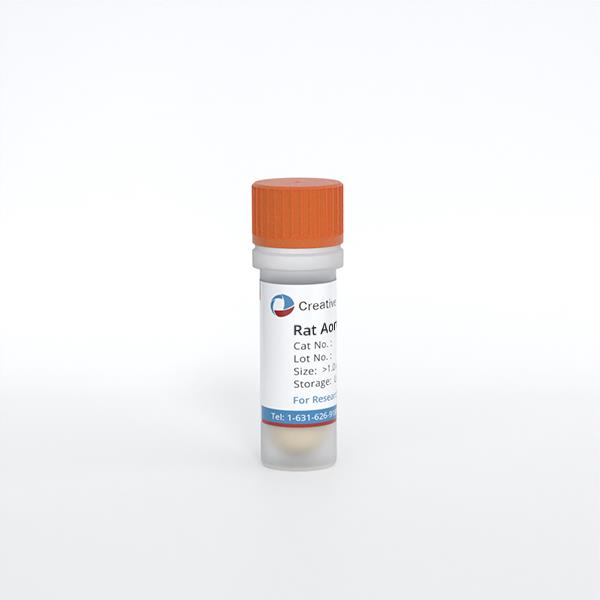
Rat Aortic Endothelial Cells- Wistar Rat
Cat.No.: CSC-C8696W
Species: Rat
Source: Aorta
Cell Type: Endothelial Cell
- Specification
- Scientific Data
- Q & A
- Customer Review
Matrix Metalloproteinase-9 Is a Predictive Factor for Systematic Hypertension and Heart Dysfunction in Patients with Obstructive Sleep Apnea Syndrome
Background
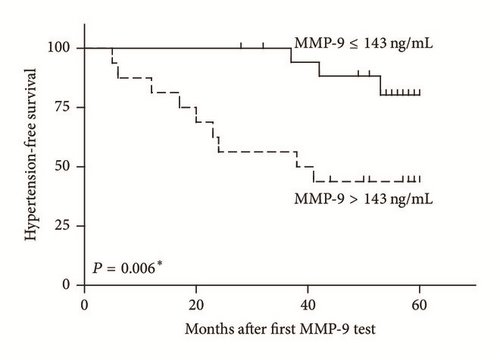
This study investigated serum matrix metalloproteinase-9 (MMP-9) as a biomarker in obstructive sleep apnea syndrome (OSAS). In 47 untreated patients, MMP-9 correlated with OSAS severity, hypoxia indices, and mean arterial pressure, and was higher in those with hypertension. Among 35 patients without cardiovascular dysfunction followed for five years, high MMP-9 predicted incident hypertension and left ventricular hypertrophy. Cellular experiments using rat aortic endothelial cells showed hypoxia upregulated MMP-9 expression, secretion, and activity, and MMP-9 cleaved the β2-adrenergic receptor. The findings suggest a hypoxia-MMP-9-β2AR axis contributing to cardiovascular complications in OSAS.
Key Findings
Serum MMP-9 levels in untreated OSAS patients positively correlated with apnea-hypopnea index (AHI), oxygen desaturation index (ODI), and mean arterial pressure. Patients with moderate or severe OSAS had higher MMP-9 than those with mild OSAS (144.3±25.2 and 165.6±25.2 vs 120.6±24.7 ng/mL). OSAS patients with hypertension showed higher MMP-9 (166.7±29.2 vs 137.3±27.8 ng/mL, P<0.001). In 35 OSAS patients without cardiovascular dysfunction at baseline, five-year follow-up identified 12 incident hypertension cases and 3 left ventricular hypertrophy cases; all LVH occurred in the high-MMP-9 group. OSAS severity, lowest sleep SpO2, and serum MMP-9 were risk factors for hypertension onset. In rat aortic vascular endothelial cells, hypoxia increased MMP-9 RNA, protein secretion, and gelatinolytic activity. Hypoxia-conditioned medium cleaved the N-terminus but not C-terminus of β2AR, implicating a hypoxia-MMP-9-β2AR signaling axis in OSAS-related cardiovascular disease.
Contribution
Creative Bioarray provided rat aorta vascular endothelial cells (Cat. No. CSC-C8696W) used for hypoxia experiments. These cells enabled evaluation of MMP-9 expression, secretion, and activity and demonstration that hypoxia-conditioned medium cleaves β2AR, helping validate the proposed hypoxia-MMP-9-β2AR signaling axis.
Ask a Question
Write your own review
Description: The thoracic aorta is located in the chest cavity and gives off arteries that branch to the esophagus, pericardium, lungs, and trachea. The thoracic aorta can be subdivided into the ascending aorta, ...
Description: Rat Podocytes are isolated from normal rat kidney. The cells are characterized by immunofluorescence with antibodies specific to podocin, Ang1, Nephrin, ACTN4, NPHS2. T25 flasks is required for cell ...
Description: Rat Bronchial Smooth Muscle Cells are isolated from normal rat bronchi tissue. Rat Bronchial Smooth Muscle Cells are characterized by immunofluorescence with antibodies specific to alpha-actin. T25 ...
Description: Rat Lung Epithelial Cells are isolated from normal rat lung tissue. The cells are characterized by immunofluorescence with antibodies specific to CK-18, CK-19. T25 flasks is required for cell ...
Description: Rat Vein Endothelial Cells from Creative Bioarray are isolated from inferior vena cava tissue of 6-8 week old laboratory Sprague-Dawley rat. Rat Vein Endothelial Cells are grown in T75 tissue culture ...

Description: Rat Corneal Epithelial Cells from Creative Bioarray are isolated from tissue of 1-day-old neonatal laboratory Sprague–Dawley Rats. Rat Corneal Epithelial Cells are grown in T25 tissue culture flask ...