
SuperCult® Human Endothelial Cell Growth Medium Kit-2MV
- Specification
- Scientific Data
- Q & A
- Customer Review
Media products are supplied in several formats:
Basal Medium - contains no growth factors cytokines, or supplements
Supplement Kits - growth factors, cytokines, and supplements
Medium Kit - basal medium and Supplement Kit packaged together
Verteporfin combined with ROCK inhibitor promotes the restoration of corneal endothelial cell dysfunction in rats
Background
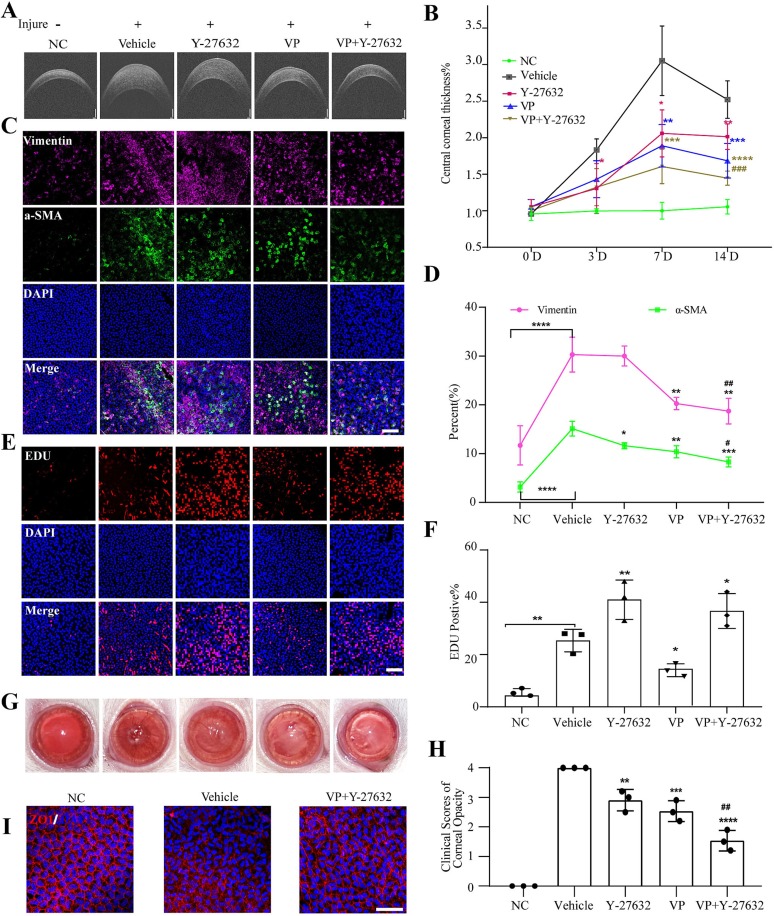
Corneal endothelial cell (CEC) dysfunction causes corneal edema and blindness, and endothelial-to-mesenchymal transition (EndMT) limits regenerative drug therapy. This study asked whether verteporfin (VP), a YAP inhibitor, could complement the ROCK inhibitor Y-27632. Using a rat corneal endothelial injury model and TGF-β1-induced EndMT in human CECs, the authors show YAP rises after injury and tracks with EndMT. A 1:1 VP/Y-27632 combination reversed EndMT, promoted proliferation, restored adhesion proteins and corneal transparency, offering a new treatment strategy.
Key Findings
YAP expression was higher in fetal than adult human CECs, declined with age in rat CECs, and negatively correlated with functional markers AQP1 and ATP1A1; injury raised YAP 3.51-fold. Verteporfin (0.2 µM) reversed TGF-β1-induced EndMT in B4G12 human CECs, downregulating ACTA2, VIM, SNAI1 and CDH2 while upregulating TJP1 and ATP1A1, but it inhibited CEC proliferation. Y-27632 promoted proliferation and wound healing yet only partially reduced α-SMA, leaving vimentin unchanged. Combining VP with Y-27632 at a 1:1 ratio (0.2 µM each) gave the highest proliferation and strongest EndMT inhibition, suppressing TGF-β downstream HMGA2, SNAI1 and FOXC2. In injured rat corneas, the combination reduced corneal thickness and opacity, increased ZO1 and EDU incorporation, and lowered α-SMA and vimentin by day 14, restoring endothelial function and morphology.
Contribution
Creative Bioarray supplied the SuperCult® human endothelial cell growth medium used to culture the B4G12 human corneal endothelial cell line throughout the in vitro work, providing the standardized culture system that supported TGF-β1-induced EndMT modeling, drug-combination screening, proliferation and migration assays, and mechanistic analyses.
Ask a Question
Write your own review