

Immortalized Human Glomerular Podocytes-RFP-SV40 (Tet-on)
Cat.No.: CSC-I1911Z
Species: homo sapiens
Morphology: Polygonal
Culture Properties: Adherent
- Specification
- Background
- Scientific Data
- Q & A
- Customer Review
CIK-HT004 HT? Lenti-SV40 (tsA58 temperature sensitive mutant) Lentivirus Immortalization Kit
Note: Never can cells be kept at -20 °C.
Immortalized human glomerular podocytes-RFP-SV40 (Tet-on) are conditionally immortalized human podocytes engineered with a doxycycline-inducible (Tet-on) SV40 large T antigen and stable red fluorescent protein (RFP) expression. In the presence of doxycycline, T antigen drives proliferation, enabling scalable expansion and reliable cryopreservation. Upon doxycycline withdrawal, proliferation ceases and cells differentiate into a mature podocyte-like phenotype, expressing nephrin, podocin, CD2AP, WT1, synaptopodin, podocalyxin, α-actinin-4, and ZO-1, with an arborized actin cytoskeleton and slit-diaphragm-associated structures.
The key advantage is dual control and traceability. Tet-on regulation allows temporal control of immortalization: expansion when needed, then differentiation with reduced T-antigen interference. Constitutive RFP enables non-invasive live-cell imaging, fluorescence-activated cell sorting, accurate quantification, and tracking in co-culture or 3D systems, including glomerular endothelial cell and mesangial cell models.
Compared with constitutive SV40 lines, these cells better support physiological studies while retaining human origin, batch consistency, and reduced donor variability. They are widely used to model podocyte injury, proteinuria, nephrotic syndrome, diabetic nephropathy, focal segmental glomerulosclerosis, and drug/toxin nephrotoxicity. They support mechanistic studies of insulin signaling, autophagy, apoptosis, cytoskeletal remodeling, and glomerular crosstalk, and are compatible with siRNA/CRISPR, immunostaining, qPCR, Western blot, and permeability assays.
A Unique and Elastomeric Medium Chain-Length Polyhydroxyalkanoates for Kidney Glomerular Tissue Engineering
Polyhydroxyalkanoates (PHAs) are bacteria-derived polymers that are being actively explored for their potential in biomedical engineering applications. These polymers are not only highly biocompatible in nature but also sustainable, produced using renewable substrates, and hence considered future biomaterials.
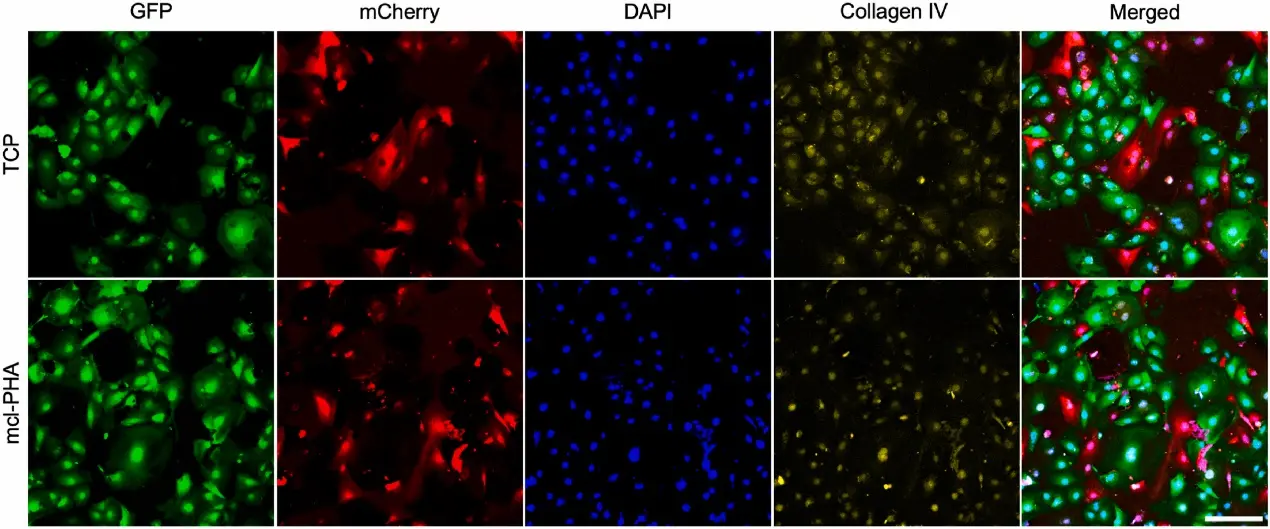
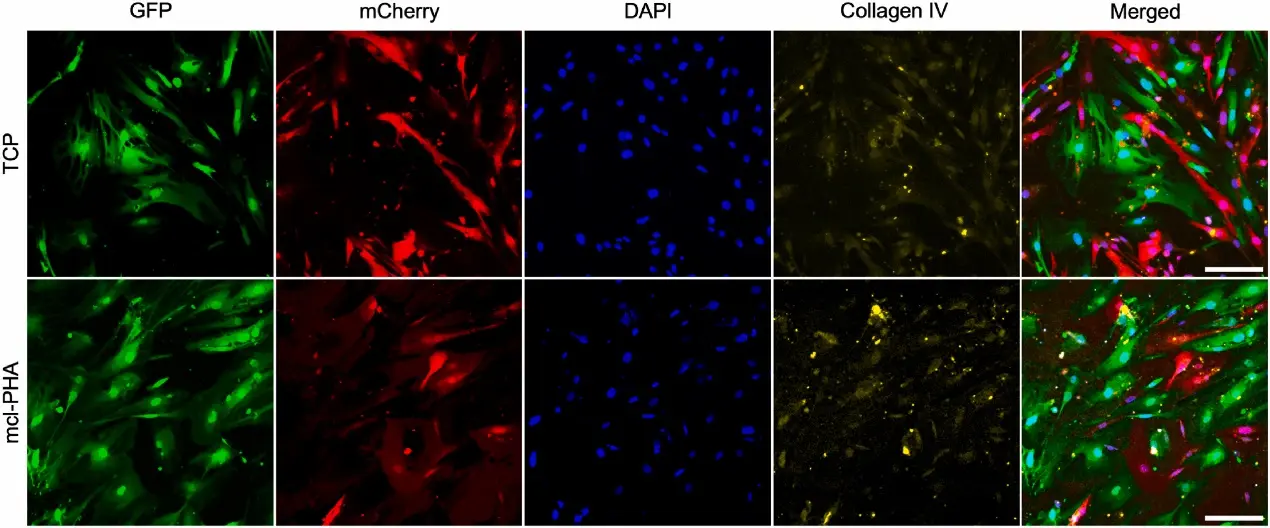
This study explores a medium chain-length PHA (mcl-PHA) produced by Pseudomonas mendocina CH50 by batch fermentation, fed with glucose as the sole carbon source. The extracted mcl-PHA was prepared as a solvent-cast film and tested as a potential cell culture substrate for human glomerular cells, the conditionally immortalized human podocytes (CiHP) and conditionally immortalized human glomerular endothelial cells (CiGEnC). Initial resazurin assay under proliferative conditions showed promising cell metabolic activities of the cells cultured on the mcl-PHA film, comparable with those cultured on tissue culture plastic (TCP). Despite the decreased expression of collagen IV under proliferative conditions, the differentiated co-cultured cells on mcl-PHA had comparable values with cells those grown on TCP. These promising results verified the biocompatibility of the mcl-PHA produced by P. mendocina CH50 and established its potential as a bio-based sustainable alternative in biomedical applications including glomerular tissue engineering.
Ask a Question
Write your own review
Description: Immortalized Human Gastric Epithelial Cells-SV40 have been obtained immortalizing Human Gastric Epithelial Cells with Lenti-SV40 Lentivirus. Immortalized cells were controlled passaging side by side ...
Description: Immortalized Human Kidney Podocytes-SV40 have been obtained immortalizing Human Kidney Podocytes with Lenti-SV40 Lentivirus. Immortalized cells were controlled passaging side by side with the primary ...
Description: Nasal epithelial cells form the outermost protective layer against environmental factors. They clean, humidify, and warm inhaled air. They produces mucus, which binds particles that are subsequently ...
Description: Immortalized Human Splenic Endothelial Cells-SV40 have been obtained immortalizing Human Splenic Endothelial Cells with SV40LT expressing lentiviral particles. Immortalized cells were controlled ...
Description: Immortalized Human Corneal Epithelial Cells-SV40 have been obtained immortalizing Human Corneal Epithelial Cells with Lenti-SV40 Lentivirus. Immortalized cells were controlled passaging side by side ...
- Adipose Tissue-Derived Stem Cells
- Human Neurons
- Mouse Probe
- Whole Chromosome Painting Probes
- Hepatic Cells
- Renal Cells
- In Vitro ADME Kits
- Tissue Microarray
- Tissue Blocks
- Tissue Sections
- FFPE Cell Pellet
- Probe
- Centromere Probes
- Telomere Probes
- Satellite Enumeration Probes
- Subtelomere Specific Probes
- Bacterial Probes
- ISH/FISH Probes
- Exosome Isolation Kit
- Human Adult Stem Cells
- Mouse Stem Cells
- iPSCs
- Mouse Embryonic Stem Cells
- iPSC Differentiation Kits
- Mesenchymal Stem Cells
- Immortalized Human Cells
- Immortalized Murine Cells
- Cell Immortalization Kit
- Adipose Cells
- Cardiac Cells
- Dermal Cells
- Epidermal Cells
- Peripheral Blood Mononuclear Cells
- Umbilical Cord Cells
- Monkey Primary Cells
- Mouse Primary Cells
- Breast Tumor Cells
- Colorectal Tumor Cells
- Esophageal Tumor Cells
- Lung Tumor Cells
- Leukemia/Lymphoma/Myeloma Cells
- Ovarian Tumor Cells
- Pancreatic Tumor Cells
- Mouse Tumor Cells