
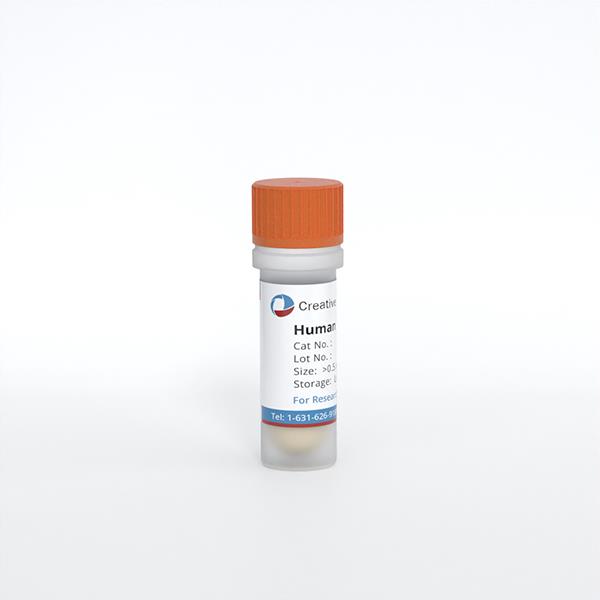
Human Lung Fibroblasts-Asthma
Cat.No.: CSC-C8072L
Species: Human
Source: Lung
Cell Type: Fibroblast
- Specification
- Background
- Scientific Data
- Q & A
- Customer Review
Human Lung Fibroblasts - Asthma are primary fibroblast cells that are derived from lung tissue obtained from human donors with asthma. These cells provide a disease-relevant in vitro model for studying processes involved in airway remodeling and chronic inflammation that are characteristic of asthmatic lung disease. Lung fibroblasts are key contributors to the structural integrity of the airway and alveolar regions through the production of extracellular matrix (ECM) components and also play active roles in inflammatory and immune signaling.
Human Lung Fibroblasts - Asthma typically exhibit the spindle-shaped, fibroblast-like morphology and express fibroblast markers such as vimentin, fibroblast-specific protein-1 (FSP1), and ECM components including collagen types I and III and fibronectin. Compared to fibroblasts from non-asthmatic donors, lung fibroblasts from donors with asthma often show enhanced proliferative capacity, increased ECM deposition, and heightened responsiveness to profibrotic and proinflammatory signals, including transforming growth factor-β (TGF-β) and interleukins.
Human Lung Fibroblasts - Asthma are commonly used to study cellular and molecular mechanisms underlying airway remodeling, fibrosis, and chronic inflammation in asthma. They can be used to assess the effects of anti-inflammatory and antifibrotic therapeutics, study fibroblast-immune cell interactions, and explore disease-specific drug responses in the context of asthma and other chronic respiratory diseases.
Effects of ω-3 PUFAs on Transcription of Genes Involved in Arginine Metabolism
Airway remodeling (AR) contributes to asthma severity and morbidity by creating irreversible airflow obstruction. Arginase isoenzymes and downstream enzymes ODC and OAT are associated with AR. ω-3 PUFAs and resolvin metabolites have been shown to have anti-AR effects. The mediation of these effects through the arginase pathway remains unclear. Duggirala et al. aimed to evaluate the effects of ω-3 PUFAs (EPA and DHA), resolvin D1 (RvD1), TH1 cytokines, acetylsalicylic acid (ASA), cAMP, and dexamethasone (DEX) on expression of arginase isoenzymes, ODC, and OAT in human lung fibroblasts (HLF) isolated from normal and asthmatic donors.
Experiments with ω-3 PUFAs showed that EPA reduced ARG2 mRNA levels by half (2-fold downregulation) in both NHLF (Fig. 1a) and DHLF (Fig. 1b). EPA+DHA also reduced ARG2 mRNA levels approximately 2-fold in NHLF (Fig. 1a) and 1.7-fold in DHLF (Fig. 1b). There was no significant difference between EPA and EPA+DHA treatments in both types of HLF. EPA+DHA also reduced ODC mRNA levels 1.4-fold in NHLF (Fig. 1c). ARG2 protein levels were significantly lowered with 1, 10, 50, and 100 μg treatments (Fig. 1e). NAC and DHA treatments did not significantly alter ARG2 or ODC mRNA levels. OAT mRNA levels remained unchanged with NAC or ω-3 PUFA treatments.

Ask a Question
Write your own review
- You May Also Need
Description: Human Pulmonary Artery Fibroblasts are isolated from normal human pulmonary artery.
Description: Primary Human Fetal Lung Fibroblast Cells were initiated from human lung tissue (normal 25 week gestation).These cells were originated using Complete Serum-Free Medium Kit With SuperFuel™, are ...
Description: GFP-Human Lung Airway Smooth Muscle Cells (GFP-HLAWSMCs) provided by Creative Bioarray are puromycin-selected from primary human lung airway smooth muscle cells infected with lentivirus expressing ...
Description: ACE2-GFP Expressing Human Pulmonary Artery Endothelial Cells (ACE2-GFP-HPAECs) provided by Creative Bioarray are puromycin-selected from Human Pulmonary Artery Endothelial Cells infected with ...
Description: HTSMC from Creative Bioarray Research are isolated from human trachea. HTSMC are cryopreserved at secondary culture and delivered frozen. Each vial contains >5 x 10^5 cells in 1 ml volume. HTSMC are ...
Description: The human type 1 alveolar epithelial cells from Creative Bioarray are isolated from human alveolar tissue. These cells are shipped at passage 2 and maintained in SuperCult® human type 1 alveolar ...