

Immortalized Human Umbilical Vein Endothelial Cells-SV40
Cat.No.: CSC-I9038L
Species: Homo sapiens
Source: Umbilical cord
Morphology: Polygonal
Culture Properties: Adherent
- Specification
- Background
- Scientific Data
- Q & A
- Customer Review
- Documents
Note: Never can cells be kept at -20°C.
Immortalized human umbilical vein endothelial cells-SV40 (HUVEC/SV40T) are generated by introducing the SV40 large T antigen into primary HUVECs. This confers indefinite proliferative capacity while preserving core endothelial features: CD31/PECAM-1, VE-cadherin, VEGFR2, CD34, von Willebrand factor, and eNOS. Functionally, they respond to VEGF and inflammatory cytokines and support proliferation, migration, tube formation on Matrigel, acetylated LDL uptake, monolayer barrier assays, leukocyte adhesion, and nitric oxide signaling.
Compared with primary HUVECs, HUVEC/SV40T offer a continuous, scalable, and cost-effective source with high batch-to-batch consistency and reduced donor variability. This enables reproducible high-throughput screening, long-term culture, siRNA/CRISPR perturbation, and co-culture studies. They are widely used to model angiogenesis, vascular permeability, inflammation, atherosclerosis, thrombosis, and endothelial dysfunction, and to evaluate anti-angiogenic, anti-inflammatory, and cardiovascular compounds. They also support toxicity testing, target validation, and host–pathogen interaction studies. Because they are immortalized, they overcome supply limitations and ethical concerns associated with repeated primary isolation.
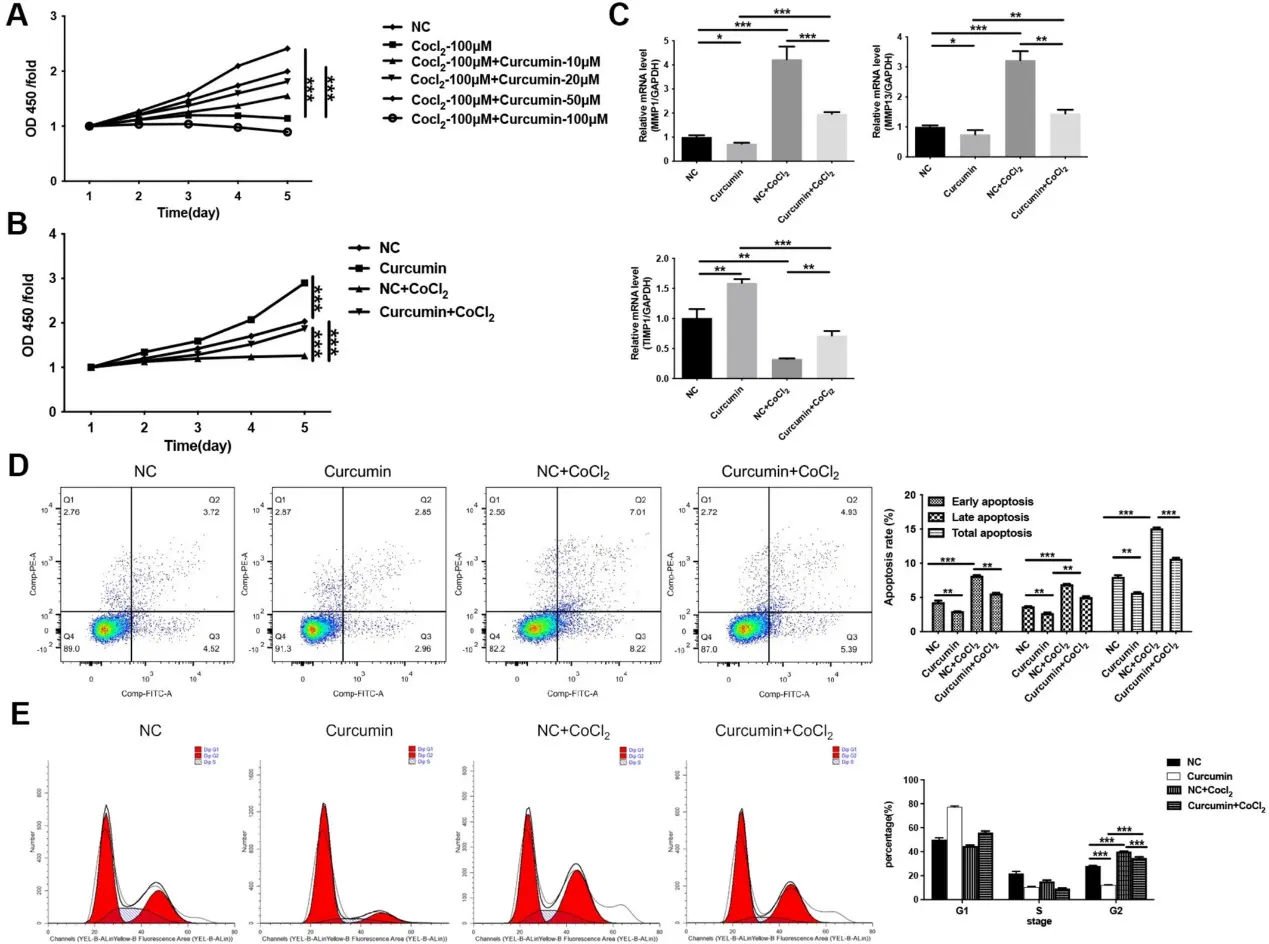
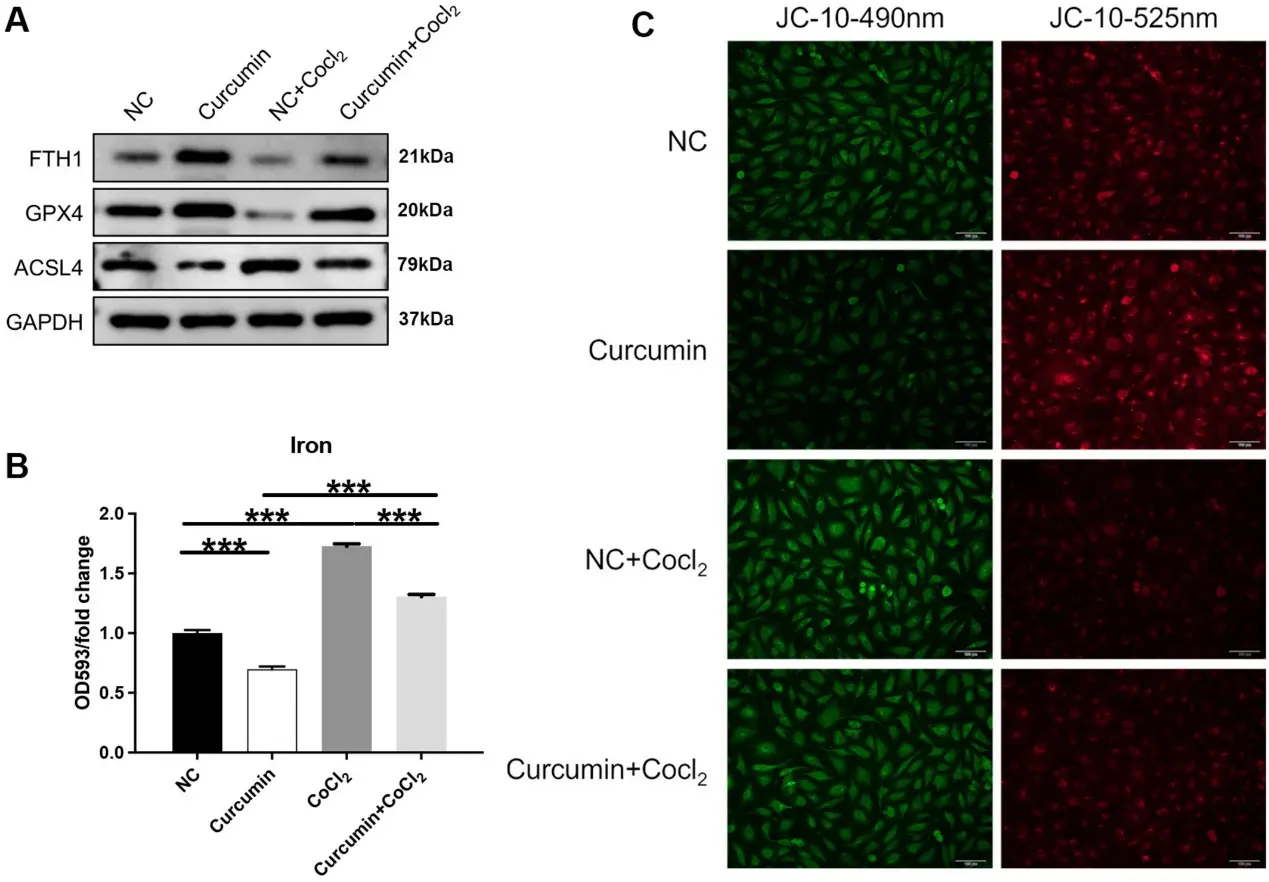
Curcumin Protected CoCl2-Induced Apoptosis and Ferroptosis in Human Umbilical Vein Endothelial Cells
Hypoxia-induced vascular endothelial cell (EC) injury is the main pathologic mechanism for the development of vascular diseases, such as venous thrombosis, heart disease, and cerebral obstruction. Curcumin, the main active component in the rhizome of Curcuma longa, has anti-inflammatory and antioxidant properties. The aim of the study was to elucidate the underlying mechanisms of curcumin's protective effects on endothelial cells.
Cobalt chloride (CoCl2) was used to induce hypoxia in human umbilical vein endothelial cells (HUVECs) in vitro, followed by treatment with curcumin. We found that curcumin can enhance cell proliferation, promote cell cycle progression, decrease MMP1 and MMP13 expression, and increase TIMP-1 expression in CoCl2-induced HUVECs. Meanwhile, curcumin inhibits CoCl2-induced apoptosis, ferroptosis, and mitochondrial damage in HUVECs. Further studies revealed that curcumin exerted endothelial cell protective effects by down-regulating HSPA6 expression. Curcumin exerts a vascular endothelial protective effect on hypoxia-induced apoptosis and mitochondrial damage in HUVECs.
These are endothelial cells derived from the human umbilical vein that have been immortalized using the SV40 large T antigen, allowing for culturing at least 20 passages. They provide a consistent model for endothelial cell research.
Immortalized Human Umbilical Vein Endothelial Cells-SV40 (Cat No.: CSC-I9038L) are ideal for studying vascular biology, angiogenesis, endothelial cell function, inflammation, and shear stress responses. They are also useful for drug testing and endothelial-related disease models.
Yes, these cells are particularly useful for angiogenesis research. They retain critical properties of endothelial cells, such as the ability to form capillary-like structures in vitro, making them an excellent model for studying blood vessel formation and function.
While primary HUVECs have a limited lifespan and batch-to-batch variability, the immortalized version -Immortalized Human Umbilical Vein Endothelial Cells-SV40 (Cat No.: CSC-I9038L) provides a stable, reproducible, and long-lasting model, ensuring consistent results over multiple experiments and extended studies.
Ask a Question
Write your own review
 Immortalized Human Umbilical Vein Endothelial Cells-SV40
Description: Immortalized Human Gastric Epithelial Cells-SV40 have been obtained immortalizing Human Gastric Epithelial Cells with Lenti-SV40 Lentivirus. Immortalized cells were controlled passaging side by side ...
Description: Immortalized Human Kidney Podocytes-SV40 have been obtained immortalizing Human Kidney Podocytes with Lenti-SV40 Lentivirus. Immortalized cells were controlled passaging side by side with the primary ...
Description: Nasal epithelial cells form the outermost protective layer against environmental factors. They clean, humidify, and warm inhaled air. They produces mucus, which binds particles that are subsequently ...
Description: Immortalized Human Splenic Endothelial Cells-SV40 have been obtained immortalizing Human Splenic Endothelial Cells with SV40LT expressing lentiviral particles. Immortalized cells were controlled ...
Description: Immortalized Human Corneal Epithelial Cells-SV40 have been obtained immortalizing Human Corneal Epithelial Cells with Lenti-SV40 Lentivirus. Immortalized cells were controlled passaging side by side ...
- Adipose Tissue-Derived Stem Cells
- Human Neurons
- Mouse Probe
- Whole Chromosome Painting Probes
- Hepatic Cells
- Renal Cells
- In Vitro ADME Kits
- Tissue Microarray
- Tissue Blocks
- Tissue Sections
- FFPE Cell Pellet
- Probe
- Centromere Probes
- Telomere Probes
- Satellite Enumeration Probes
- Subtelomere Specific Probes
- Bacterial Probes
- ISH/FISH Probes
- Exosome Isolation Kit
- Human Adult Stem Cells
- Mouse Stem Cells
- iPSCs
- Mouse Embryonic Stem Cells
- iPSC Differentiation Kits
- Mesenchymal Stem Cells
- Immortalized Human Cells
- Immortalized Murine Cells
- Cell Immortalization Kit
- Adipose Cells
- Cardiac Cells
- Dermal Cells
- Epidermal Cells
- Peripheral Blood Mononuclear Cells
- Umbilical Cord Cells
- Monkey Primary Cells
- Mouse Primary Cells
- Breast Tumor Cells
- Colorectal Tumor Cells
- Esophageal Tumor Cells
- Lung Tumor Cells
- Leukemia/Lymphoma/Myeloma Cells
- Ovarian Tumor Cells
- Pancreatic Tumor Cells
- Mouse Tumor Cells