
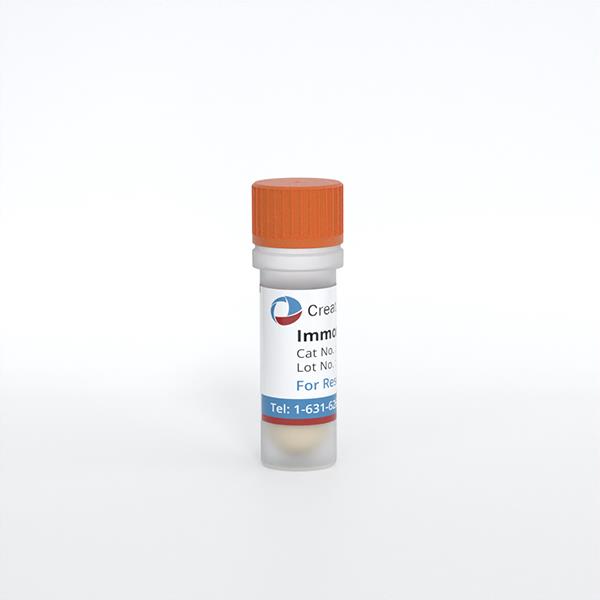
Immortalized Human Gingival Epithelial Cells-SV40
Cat.No.: CSC-I2282Z
Species: homo sapiens
Morphology: Polygonal
Culture Properties: Adherent
- Specification
- Background
- Scientific Data
- Q & A
- Customer Review
free from contaminations (bacteria incl. mycoplasma, fungi, HIV, HAV, HBV, HCV, Parvo-B19) and cross-contaminations
Immortalized human gingival epithelial cells-SV40 (HGEC/SV40) are generated by introducing the SV40 large T antigen into primary human gingival epithelial cells. This confers indefinite proliferative capacity while preserving key epithelial features, including p63, cytokeratin 5/14, cytokeratin 13, E-cadherin, and junctional proteins such as ZO-1 and occludin. Functionally, they retain epithelial barrier properties, innate immune signaling through Toll-like receptors, and responsiveness to inflammatory stimuli such as IL-1β and TNF-α, with cytokine and chemokine secretion relevant to oral mucosal immunity.
Compared with primary HGECs, HGEC/SV40 provide a continuous, scalable, and cost-effective source with high batch-to-batch consistency and reduced donor variability. This enables reproducible high-throughput screening, long-term culture, and gene perturbation using siRNA or CRISPR. They are widely used to study oral epithelial barrier function, periodontal inflammation, peri-implantitis, oral mucositis, wound healing, and host–microbiome interactions. They also support biocompatibility and toxicity testing of dental materials, oral care products, and pharmaceutical compounds, as well as mechanistic studies of bacterial and viral infection.
VPS13B Regulates Gingival Epithelial Barrier Function Via Intracellular Trafficking of Coxsackievirus and Adenovirus Receptor
Cohen syndrome is an autosomal recessive genetic disease caused by mutations in the vacuolar protein sorting homolog B (VPS13B) gene that leads to a variety of complications including periodontitis. However, the molecular mechanism underlying periodontal inflammation caused by VPS13B dysfunction in human gingival epithelial cells remains unclear. A previous report noted that coxsackievirus and adenovirus receptor (CXADR) and junctional adhesion molecule 1 (JAM1) are involved in barrier functions against penetration by lipopolysaccharide (LPS) and peptidoglycan (PGN) into gingival tissues. The present study was conducted to examine the effects and significance of VPS13B on gingival barrier function.
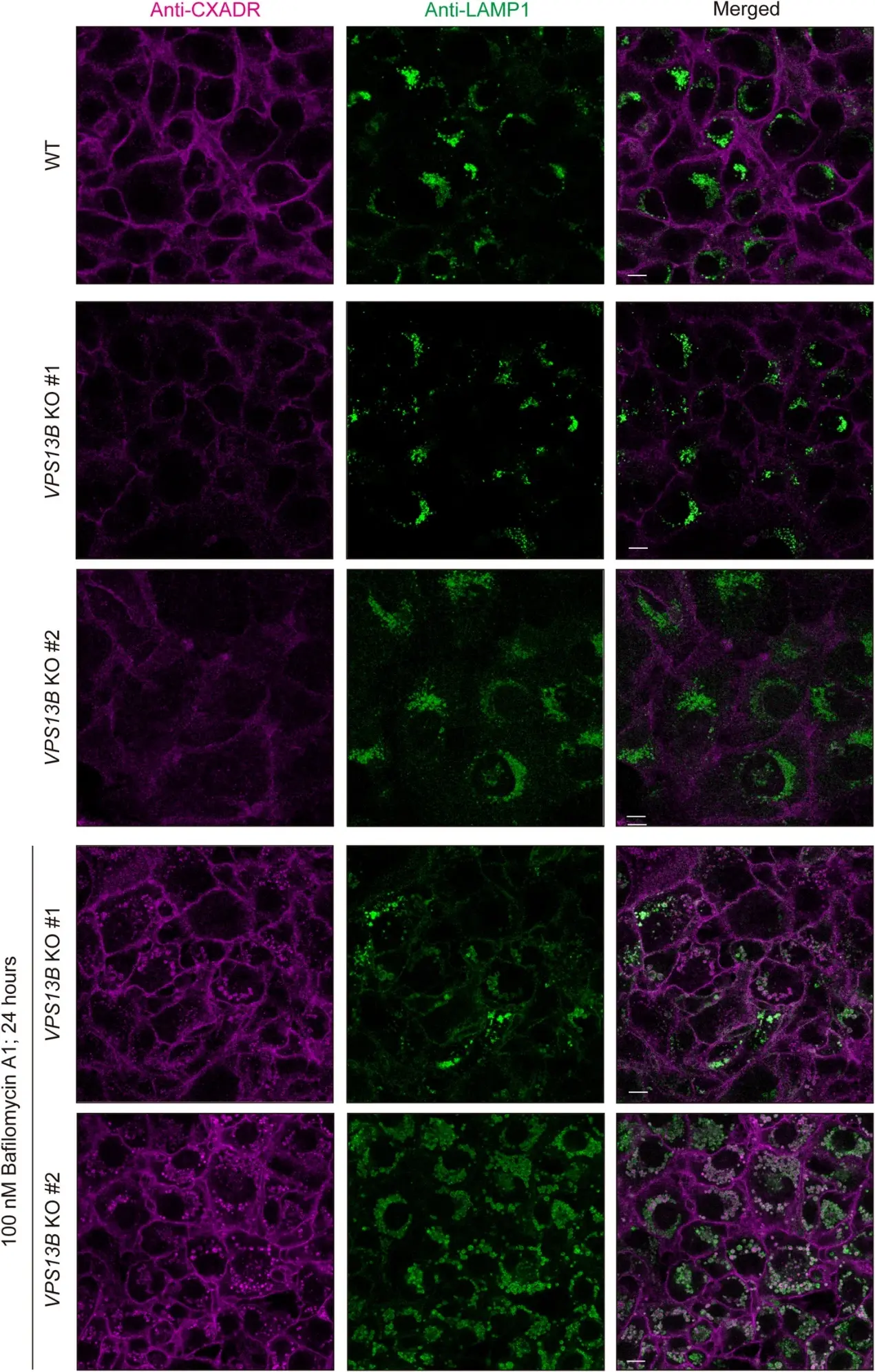
It was confirmed that loss of VPS13B resulted in decreased cell surface localization of CXADR, but not of JAM1. Additionally, abundant lysosomal localization of CXADR was detected in VPS13B-knockout cells followed treatment with bafilomycin A1, an inhibitor of lysosomal degradation. Other findings indicated that cell-surface localization of the CXADR-chimeric protein, in which C-terminus was exchanged with JAM1, was not disturbed by VPS13B knockout. Finally, VPS13B knockout led to greater permeability of gingival epithelial cell layers and tissues to LPS and PGN, which was restored by increased expression of CXADR-JAM1c−term. Together, these results show that VPS13B is involved in intracellular trafficking of CXADR as well as the barrier function of human gingival epithelial tissues, and thus indicate the molecular basis for periodontal complications in patients affected by Cohen syndrome.
Ask a Question
Write your own review
Description: Immortalized Human Gastric Epithelial Cells-SV40 have been obtained immortalizing Human Gastric Epithelial Cells with Lenti-SV40 Lentivirus. Immortalized cells were controlled passaging side by side ...
Description: Immortalized Human Kidney Podocytes-SV40 have been obtained immortalizing Human Kidney Podocytes with Lenti-SV40 Lentivirus. Immortalized cells were controlled passaging side by side with the primary ...
Description: Nasal epithelial cells form the outermost protective layer against environmental factors. They clean, humidify, and warm inhaled air. They produces mucus, which binds particles that are subsequently ...
Description: Immortalized Human Splenic Endothelial Cells-SV40 have been obtained immortalizing Human Splenic Endothelial Cells with SV40LT expressing lentiviral particles. Immortalized cells were controlled ...
Description: Immortalized Human Corneal Epithelial Cells-SV40 have been obtained immortalizing Human Corneal Epithelial Cells with Lenti-SV40 Lentivirus. Immortalized cells were controlled passaging side by side ...
- Adipose Tissue-Derived Stem Cells
- Human Neurons
- Mouse Probe
- Whole Chromosome Painting Probes
- Hepatic Cells
- Renal Cells
- In Vitro ADME Kits
- Tissue Microarray
- Tissue Blocks
- Tissue Sections
- FFPE Cell Pellet
- Probe
- Centromere Probes
- Telomere Probes
- Satellite Enumeration Probes
- Subtelomere Specific Probes
- Bacterial Probes
- ISH/FISH Probes
- Exosome Isolation Kit
- Human Adult Stem Cells
- Mouse Stem Cells
- iPSCs
- Mouse Embryonic Stem Cells
- iPSC Differentiation Kits
- Mesenchymal Stem Cells
- Immortalized Human Cells
- Immortalized Murine Cells
- Cell Immortalization Kit
- Adipose Cells
- Cardiac Cells
- Dermal Cells
- Epidermal Cells
- Peripheral Blood Mononuclear Cells
- Umbilical Cord Cells
- Monkey Primary Cells
- Mouse Primary Cells
- Breast Tumor Cells
- Colorectal Tumor Cells
- Esophageal Tumor Cells
- Lung Tumor Cells
- Leukemia/Lymphoma/Myeloma Cells
- Ovarian Tumor Cells
- Pancreatic Tumor Cells
- Mouse Tumor Cells