
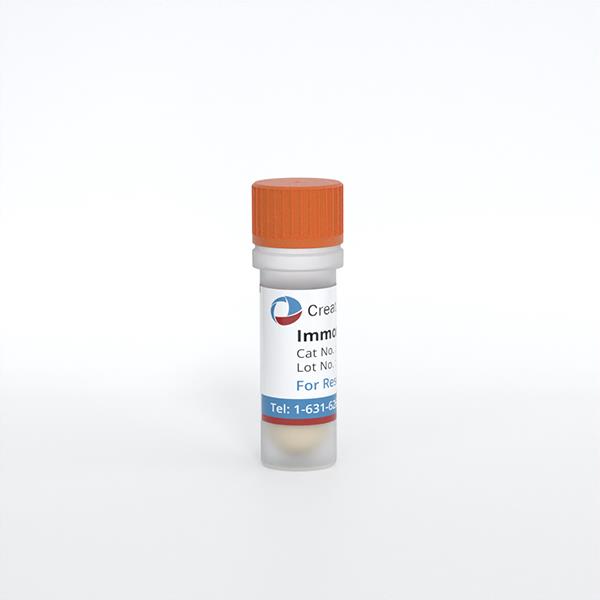
Immortalized Human Fungiform Taste Cells-SV40
Cat.No.: CSC-I9103L
Species: Homo sapiens
Source: Oral
Culture Properties: Adherent
- Specification
- Background
- Scientific Data
- Q & A
- Customer Review
Note: Never can cells be kept at -20 °C.
Immortalized human fungiform taste cells-SV40 (HTC/SV40) are generated by introducing the SV40 large T antigen into primary cells derived from human fungiform papillae. This approach overcomes the scarcity, limited lifespan, and donor variability of primary human taste cells, providing a continuous, scalable, and reproducible in vitro model.
These cells are designed to preserve key features of taste receptor cells, including expression of TAS1R and TAS2R receptor families, GNAT3 (gustducin), PLCβ2, IP3R3, TRPM5, and epithelial/taste progenitor markers. Depending on the subset, they can support functional studies of sweet, umami, bitter, sour, and salt transduction using calcium imaging, cAMP/ATP measurement, or electrophysiology.
Advantages include human relevance, indefinite expansion, consistent batch performance, and compatibility with high-throughput screening, siRNA/CRISPR perturbation, immunostaining, qPCR, and Western blot. They enable mechanistic studies of taste receptor signaling, ligand specificity, and taste modulation, and support discovery of sweeteners, umami enhancers, bitter blockers, salt substitutes, and taste-masking excipients. They are also useful for modeling taste dysfunction associated with infection (e.g., SARS-CoV-2), inflammation, aging, and metabolic disease.
Limitations: Immortalized cultures may not fully recapitulate the heterogeneous taste bud microenvironment or all primary cell phenotypes. Validation against primary human fungiform taste cells is recommended when physiological fidelity is critical. Overall, HTC/SV40 offer a practical, human-relevant, and scalable platform for taste biology and chemosensory translational research.
Neuropeptide Y and Peptide YY Modulate Bitter And Fatty Acid Responses in Human Fungiform Taste Bud Cells
Previous studies suggest that manipulation of neuropeptide Y (NPY) family peptide signaling can impact upon taste-related behavior, but it remains unclear whether these are mediated by changes in taste information processed by taste bud cells (TBCs), the primary sensory organs of the gustatory system.
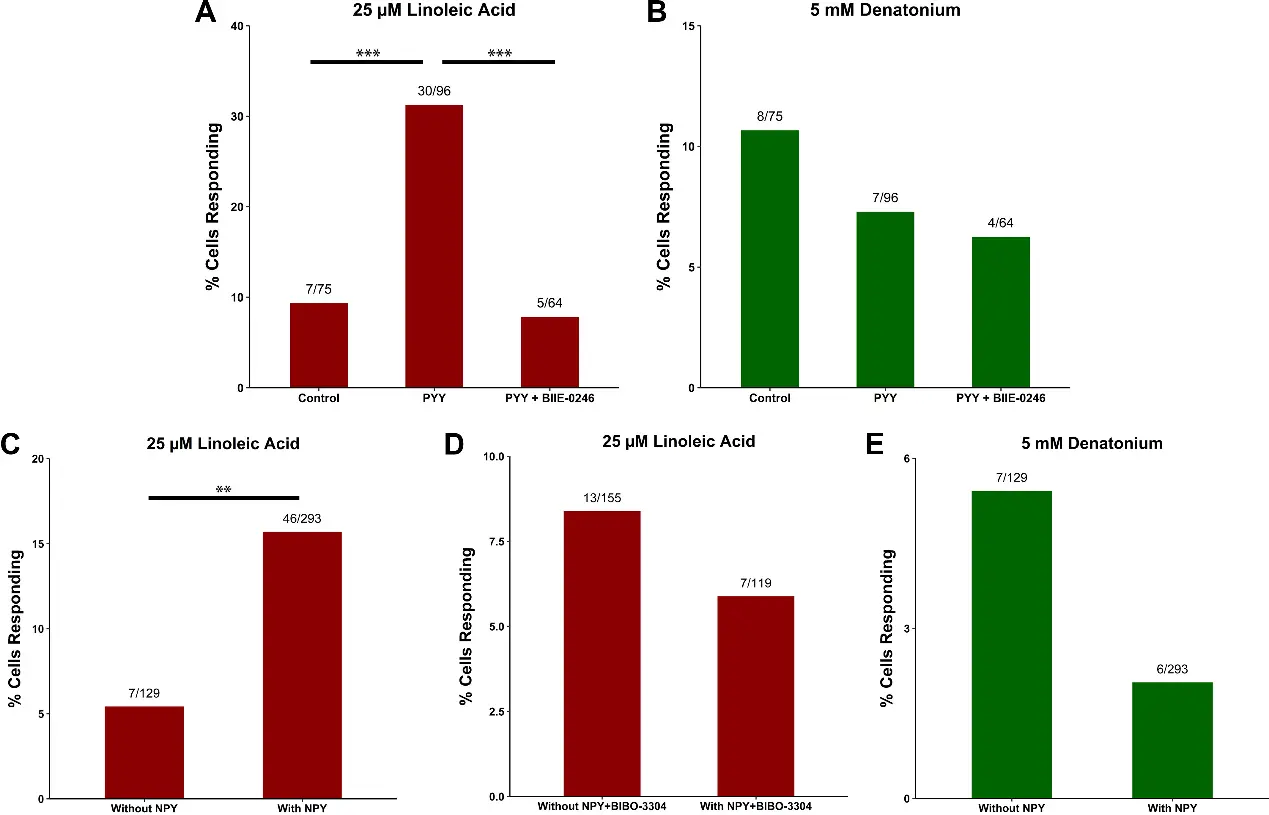
In this report, we identify a complex modulatory role for NPY family peptides in shaping the tastant-evoked responses of human TBCs. Using an immortalized human fungiform (HuFF) taste cell line, we show that NPY and peptide YY (PYY), along with NPY receptor subtypes 1 and 2 (NPY1R and NPY2R), are expressed in TBCs. Importantly, NPY and PYY modulated the functional responses (assessed by calcium imaging and measurements of neurotransmitter release) of TBCs to bitter and fatty acid stimuli. The nature of modulation (i.e., enhancement or diminishment) was dependent not only on the peptide but also on the taste modality in question. Application of NPY1R and NPY2R antagonists indicated that the differential impacts of these peptides on TBC response parameters were mediated by differential NPY receptor activation. These data suggest that NPY family peptides directly and intricately modify gustatory sensory input by shaping TBC signaling.
Ask a Question
Write your own review
Description: Immortalized Human Gastric Epithelial Cells-SV40 have been obtained immortalizing Human Gastric Epithelial Cells with Lenti-SV40 Lentivirus. Immortalized cells were controlled passaging side by side ...
Description: Immortalized Human Kidney Podocytes-SV40 have been obtained immortalizing Human Kidney Podocytes with Lenti-SV40 Lentivirus. Immortalized cells were controlled passaging side by side with the primary ...

Description: Nasal epithelial cells form the outermost protective layer against environmental factors. They clean, humidify, and warm inhaled air. They produces mucus, which binds particles that are subsequently ...

Description: Immortalized Human Splenic Endothelial Cells-SV40 have been obtained immortalizing Human Splenic Endothelial Cells with SV40LT expressing lentiviral particles. Immortalized cells were controlled ...
Description: Immortalized Human Corneal Epithelial Cells-SV40 have been obtained immortalizing Human Corneal Epithelial Cells with Lenti-SV40 Lentivirus. Immortalized cells were controlled passaging side by side ...
- Adipose Tissue-Derived Stem Cells
- Human Neurons
- Mouse Probe
- Whole Chromosome Painting Probes
- Hepatic Cells
- Renal Cells
- In Vitro ADME Kits
- Tissue Microarray
- Tissue Blocks
- Tissue Sections
- FFPE Cell Pellet
- Probe
- Centromere Probes
- Telomere Probes
- Satellite Enumeration Probes
- Subtelomere Specific Probes
- Bacterial Probes
- ISH/FISH Probes
- Exosome Isolation Kit
- Human Adult Stem Cells
- Mouse Stem Cells
- iPSCs
- Mouse Embryonic Stem Cells
- iPSC Differentiation Kits
- Mesenchymal Stem Cells
- Immortalized Human Cells
- Immortalized Murine Cells
- Cell Immortalization Kit
- Adipose Cells
- Cardiac Cells
- Dermal Cells
- Epidermal Cells
- Peripheral Blood Mononuclear Cells
- Umbilical Cord Cells
- Monkey Primary Cells
- Mouse Primary Cells
- Breast Tumor Cells
- Colorectal Tumor Cells
- Esophageal Tumor Cells
- Lung Tumor Cells
- Leukemia/Lymphoma/Myeloma Cells
- Ovarian Tumor Cells
- Pancreatic Tumor Cells
- Mouse Tumor Cells