

CAL-51
Cat.No.: CSC-C0382
Species: Homo sapiens (Human)
Source: Pleural Effusion Metastasis
Morphology: epithelial-like adherent cells growing in monolayers; the culture contains usually a large amount of cell debris
Culture Properties: monolayer
- Specification
- Background
- Scientific Data
- Q & A
- Customer Review
Immunology: cytokeratin +, cytokeratin-7 -, cytokeratin-8 +, cytokeratin-17 -, cytokeratin-18 +, cytokeratin-19 +, desmin -, endothel -, EpCAM +, GFAP -, neurofilament -, vime
Researchers derived the CAL-51 cell line from a pleural effusion metastasis sample taken from a 45-year-old female breast cancer patient whose disease continued to progress after receiving radiotherapy and chemotherapy combined with surgical intervention. The cell line demonstrates epithelial-like properties and adherent growth but certain studies suggest it can also grow in suspension. The cell line exhibits a normal diploid karyotype yet demonstrates microsatellite instability (MSI-low) that results in DNA replication errors which could contribute to tumor development.
Since its establishment in 1985 researchers have used this cell line extensively in breast cancer studies particularly for triple-negative breast cancer research (TNBC). The absence of estrogen receptor (ER), progesterone receptor (PR) and human epidermal growth factor receptor 2 (HER2) expression in this cell line designates it as a subtype of breast cancer with limited treatment choices and poor prognosis. Researchers utilize the CAL-51 cell line to investigate triple-negative breast cancer pathogenesis and biological behaviors like tumor cell proliferation invasion and metastasis and to identify possible therapeutic drugs and treatment plans for this cancer subtype.
 Fig. 1. Photomicrograph of cell line CAL51 (x 70) (Gioanni J, François D L, et al., 1990).
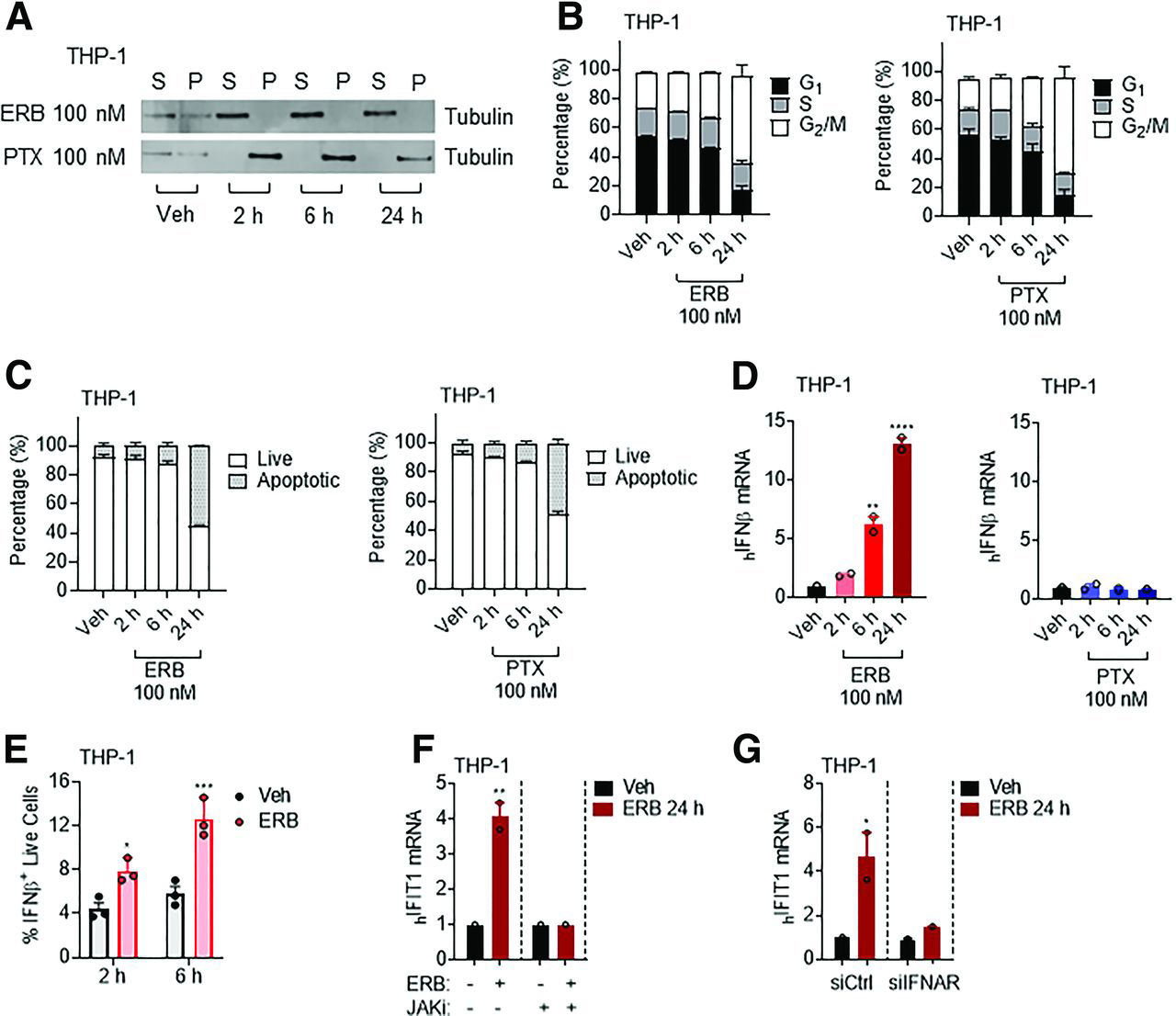
Eribulin Activates the cGAS-STING Pathway via the Cytoplasmic Accumulation of Mitochondrial DNA
Background
Eribulin, a microtubule destabilizer, but not paclitaxel, induces cGAS-STING-dependent interferon-β and downstream interferon-stimulated genes in myeloid and triple-negative breast cancer cells. This response occurs within hours through cytoplasmic accumulation of mitochondrial DNA, independent of mitotic arrest or apoptosis. The study positions microtubule destabilizers as innate immune activators and suggests mechanistic rationale for combining eribulin with immune checkpoint inhibitors in TNBC. These findings highlight a non-mitotic immunomodulatory mechanism that may explain clinical activity of eribulin/checkpoint inhibitor regimens and support mtDNA-cGAS-STING as a biomarker or target.
Key Findings
Eribulin, a microtubule destabilizer, but not paclitaxel, induced IFN-β and ISGs (IFIT1, OAS1) in THP-1 monocytes, primary murine BMDMs, and TNBC cells within 2–6 hours, preceding mitotic arrest or caspase activation. The response required cGAS-STING-TBK1 signaling: STING inhibition (H-151) or Sting gt/gt BMDMs abolished IFN-β/IFIT1 induction, and cGAS-deficient CAL-51 cells failed to respond unless reconstituted with cGAS. Eribulin promoted cytoplasmic accumulation of mitochondrial DNA (mtDNA; e.g., COX-1) but not genomic DNA; mtDNA-depleted Rho0 cells lost eribulin-mediated IFN-β induction while retaining HT-DNA responses. Other microtubule destabilizers (vinorelbine) also induced IFN-β, whereas stabilizers (ixabepilone, paclitaxel, docetaxel) did not. The work reveals a mitotic-independent innate immune mechanism for eribulin that may contribute to responses with immune checkpoint inhibitors in TNBC.
Contribution
Creative Bioarray supplied the CAL-51 triple-negative breast cancer cell line. This cGAS-deficient model was critical for demonstrating that eribulin-induced IFN-β requires cGAS, as reconstitution with RFP-cGAS restored responsiveness. Creative Bioarray therefore enabled key genetic validation of the cGAS-STING-dependent mechanism in this study.
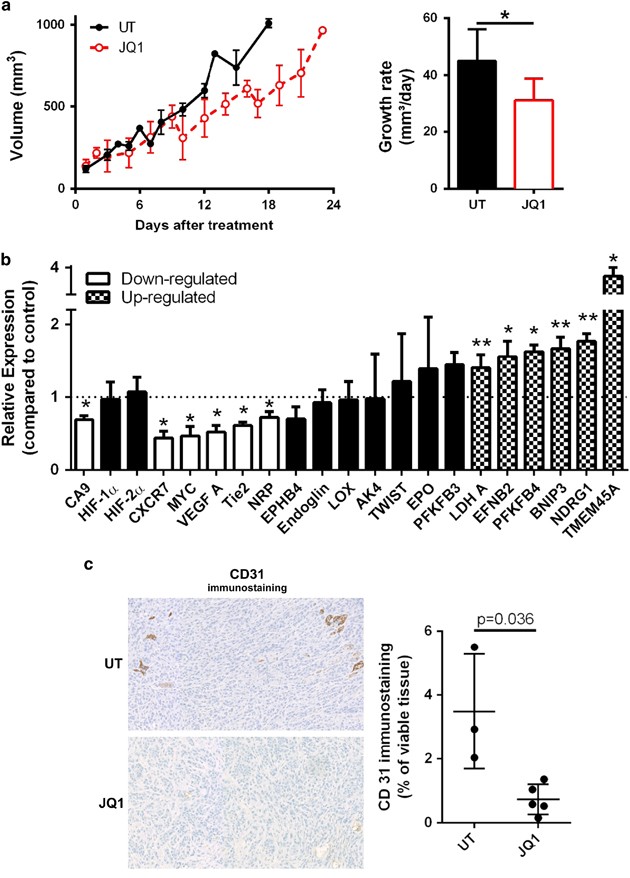
The BET inhibitor JQ1 selectively impairs tumour response to hypoxia and downregulates CA9 and angiogenesis in triple negative breast cancer
Background
This study investigates whether BET inhibitor JQ1 can impair hypoxia-driven progression in triple-negative breast cancer (TNBC). JQ1 modulated 44% of hypoxia-induced genes in MDA-MB-231 cells, downregulating CA9 and VEGF-A. It prevented HIF binding to the CA9 promoter without altering HIF expression. JQ1 reduced TNBC growth in monolayer and spheroid cultures, and in HCC1806 xenografts it decreased tumour growth, CA9/VEGF-A expression, and CD31-positive vascularization. These findings suggest BET inhibition dually targets hypoxia adaptation and angiogenesis, offering a potential epigenetic strategy for aggressive TNBC.
Key Findings
JQ1 significantly modulated 44% of hypoxia-induced genes in MDA-MB-231 TNBC cells, with two-thirds downregulated, including CA9 and VEGF-A. CA9 was the most prominently downregulated gene, and its high expression correlated with poor prognosis in TNBC, as did LOX. JQ1 prevented HIF binding to the hypoxia response element in the CA9 promoter without changing HIF-1α/HIF-2α expression or activity, indicating that some HIF targets are BET-dependent. JQ1 dose-dependently reduced TNBC monolayer and spheroid growth regardless of MYC amplification; the inactive enantiomer had no effect. In HCC1806 xenografts, JQ1 reduced tumour growth, downregulated CA9, VEGF-A and CXCR7, and decreased CD31-positive blood vessels, indicating anti-angiogenic activity. Other BET inhibitors showed similar downregulation of CA9, VEGF, CXCR7, TMEM45A and LOX. These data identify BET inhibition as a dual strategy targeting hypoxic adaptation and angiogenesis in TNBC.
Contribution
Creative Bioarray provided the CAL51 triple-negative breast cancer cell line, which was used to test JQ1 effects on monolayer and spheroid growth. The authenticated, quality-controlled cell line supported the study's in vitro validation of BET inhibition across MYC-non-amplified TNBC models.
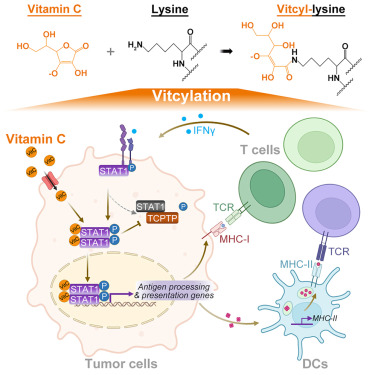
Lysine vitcylation is a vitamin C-derived protein modification that enhances STAT1-mediated immune response
Background
Vitamin C (vitC) directly modifies lysine residues to form vitcyl-lysine, a process termed vitcylation. This modification occurs in a dose-, pH-, and sequence-dependent manner in cell-free systems and living cells. Mechanistically, vitC vitcylates STAT1 at K298, impairing its interaction with TCPTP and preventing STAT1-Y701 dephosphorylation. This enhances STAT1-mediated IFN signaling, increases MHC/HLA class I expression, and activates anti-tumor immunity in vitro and in vivo. The discovery of vitcylation provides insights into vitC's cellular function and therapeutic potential, opening avenues for understanding its biological effects and disease treatment applications.
Key Findings
1. Vitamin C modifies lysine residues in peptides and proteins, forming vitcyl-lysine (vitcylation), a novel post-translational modification. 2. Vitcylation occurs in vitro and in vivo, dependent on dose, pH, and amino acid sequence, and is distinct from DHA-induced ascorbylation. 3. STAT1 is vitcylated at K298, which impairs its interaction with phosphatase TCPTP, preventing STAT1-Y701 dephosphorylation and enhancing STAT1 phosphorylation and nuclear translocation. 4. STAT1 vitcylation boosts IFN-γ and IFN-α responses, increases MHC/HLA class I expression, and promotes antigen presentation, activating dendritic cells and CD8+ T cells. 5. In vivo, vitamin C treatment suppresses tumor growth and prolongs survival in immunocompetent mice, but not in immunodeficient mice, in a STAT1-K298-dependent manner. 6. The effects are independent of TET2 and HIF1α pathways. 7. Combination of vitamin C with anti-PD1 therapy further inhibits tumor growth. 8. This study identifies a new mechanism for vitamin C's anti-cancer and immune-enhancing effects, highlighting STAT1 vitcylation as a potential therapeutic target.
Contribution
Creative Bioarray provided the Cal-51 human breast cancer cell line (Cat #CSC-C0382) used in this study. This cell line was essential for investigating vitcylation of STAT1 and assessing immune responses in human cancer cells, contributing to the validation of key findings in vitro and in vivo.
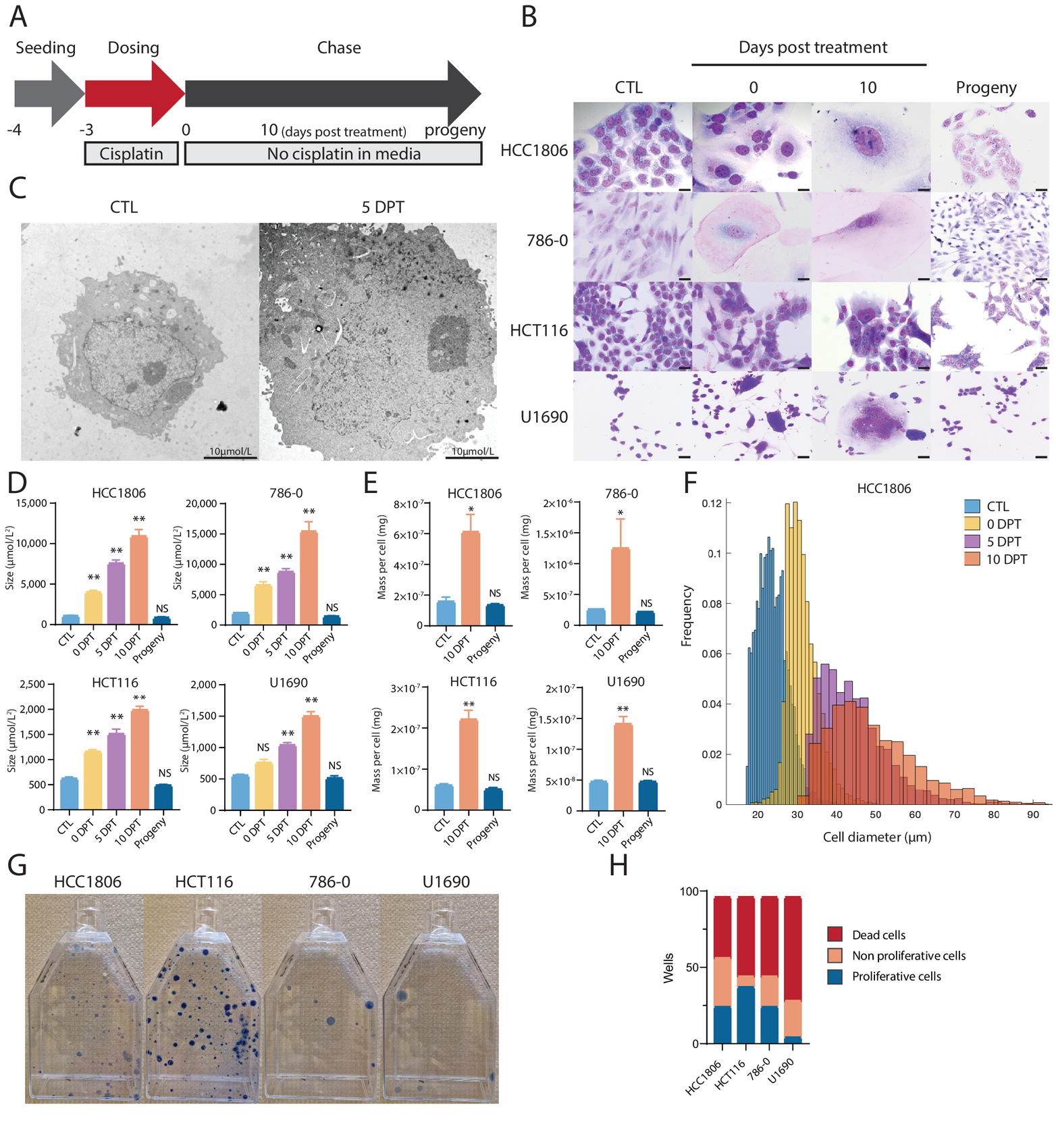
Drug-resilient Cancer Cell Phenotype Is Acquired via Polyploidization Associated with Early Stress Response Coupled to HIF2α Transcriptional Regulation
Background
The study investigates how cancer cells acquire resistance to cisplatin through polyploidization. Surviving cells undergo whole-genome doubling without mitosis, accompanied by upregulation of AP-1 and HIF2α. Chromatin accessibility changes, RB1 downregulation, and AP-1 motif enrichment were observed. Targeting AP-1 or HIF2α reduced surviving cell numbers, suggesting a novel mechanism of drug resistance and potential therapeutic targets.
Key Findings
Key findings: (1) Drug-resilient cancer cells survive cisplatin by increasing in size and undergoing high-fidelity whole-genome duplication. (2) Transcriptomic analysis revealed upregulation of AP-1 members (JUN, FOS, FOSL1) and EPAS1 (HIF2α) at the onset of polyploidization. (3) Chromatin accessibility was remodeled, with enrichment of AP-1 binding motifs and increased openness at the EPAS1 locus. (4) RB1 expression was reduced, and its phosphorylation pattern altered. (5) Inhibition of AP-1 (T-5224) or HIF2α (Belzutifan) reduced cell survival after chemotherapy. (6) The study proposes that AP-1 and HIF2α signaling mediate a transient polyploid state that confers drug resistance, offering new targets for overcoming chemotherapy resistance.
Contribution
Creative Bioarray provided the CAL-51 breast cancer and LS174T colon cancer cell lines used in this study. These cell lines were essential for investigating drug-resilient phenotypes across different cancer types, contributing to the generalizability of the findings.
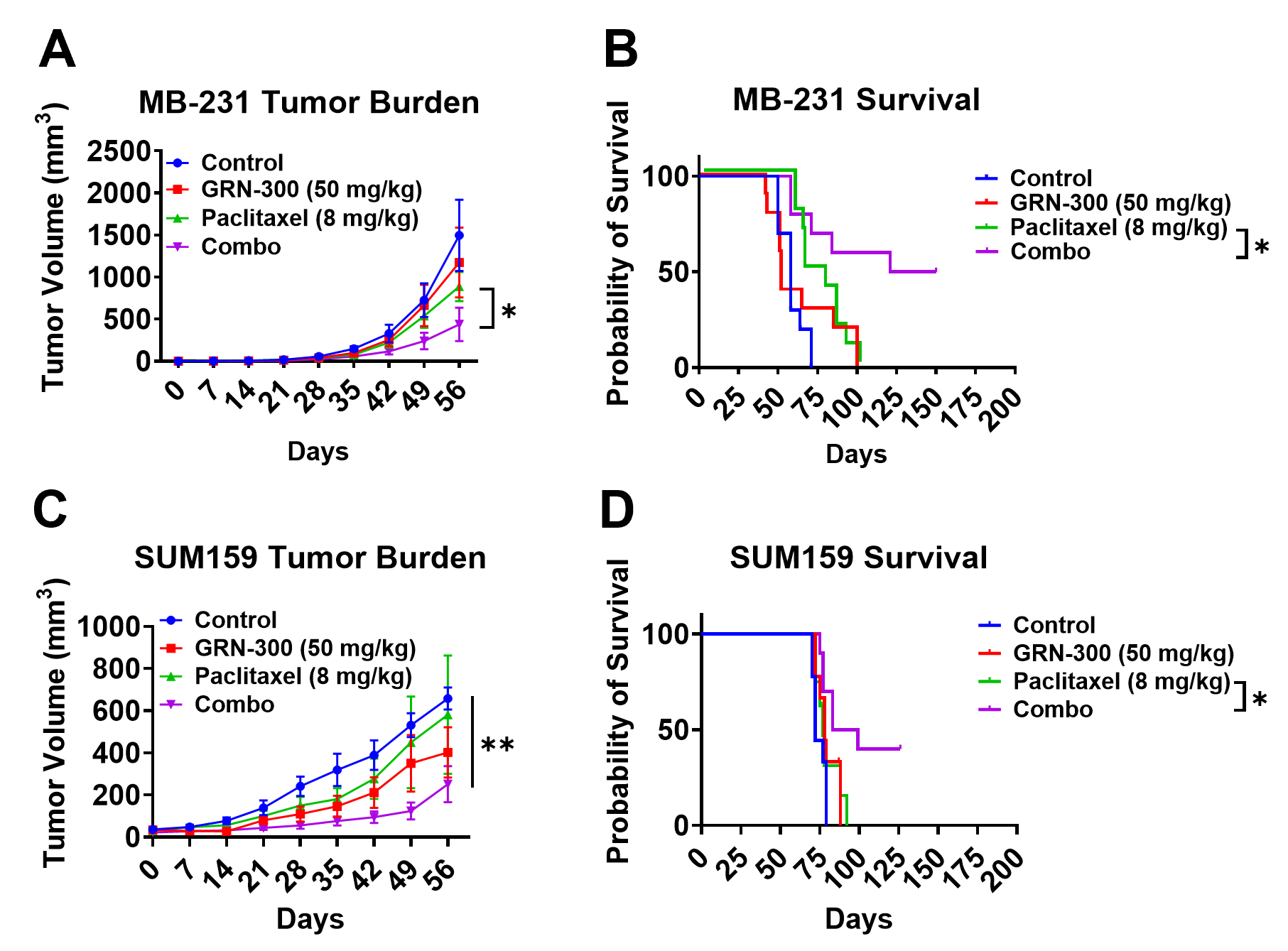
Targeting SIK2 with GRN-300 Potentiates Paclitaxel Efficacy in Triple-Negative Breast Cancer
Background
Triple-negative breast cancer (TNBC) lacks targeted therapies and relies on paclitaxel, but resistance is common. SIK2 is overexpressed in 85% of TNBC. Researchers developed GRN-300, an oral SIK2 inhibitor, and tested it with paclitaxel. In eight TNBC cell lines, the combination showed synergy, reducing clonogenic growth. In xenograft models, combination therapy significantly inhibited tumor growth and prolonged survival compared to monotherapies. Mechanistically, GRN-300 downregulated CDC27, CDK1, and PLK1, disrupting the APC/C pathway, enhancing G2/M arrest and apoptosis. These findings support GRN-300 as a promising chemosensitizer for TNBC.
Key Findings
SIK2 was overexpressed in 88% of TNBC clinical specimens and 9/10 TNBC cell lines. GRN-300, an oral SIK2 inhibitor, synergized with paclitaxel in all eight TNBC cell lines tested (combination index <1), but not in non-TNBC lines. The combination significantly reduced clonogenic survival and, in MB-231 and SUM159 xenografts, markedly inhibited tumor growth and prolonged overall survival compared to single agents. Mechanistically, GRN-300 decreased SIK2, CDC27, phospho-CDC27, CDK1, PLK1, and cyclin B1, disrupting APC/C-mediated mitotic regulation and inducing G2/M arrest and apoptosis. Combination treatment further increased cleaved caspase-3. CDC27 overexpression partially restored phospho-PLK1 and phospho-CDK1 levels, confirming a SIK2-CDC27 signaling axis. These results demonstrate that SIK2 inhibition potentiates paclitaxel efficacy in TNBC through complementary disruption of mitotic pathways, providing preclinical rationale for clinical development.
Contribution
Creative Bioarray supplied the Cal51 cell line, which was used in the breast cancer cell line panel. This cell line contributed to assessing SIK2 expression and the synergistic effects of GRN-300 with paclitaxel in vitro, supporting the study's key findings on combination therapy.
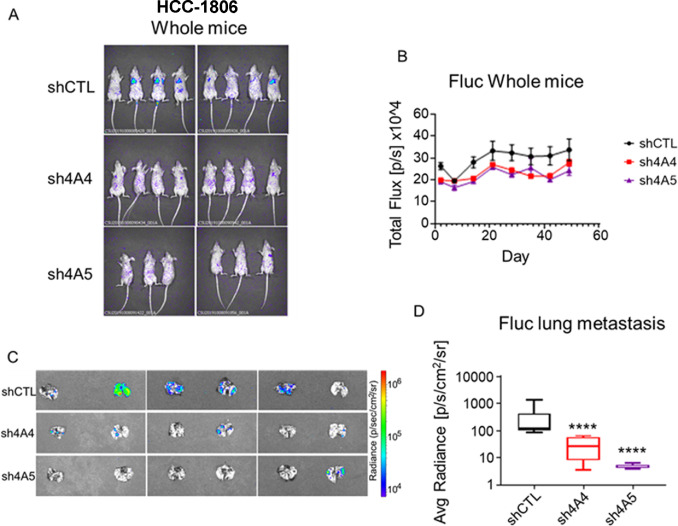
Targeting hypoxia regulated sodium driven bicarbonate transporters reduces triple negative breast cancer metastasis
Background
This study examines hypoxia-regulated sodium-driven bicarbonate transporters (NDBTs) in triple-negative breast cancer (TNBC). Hypoxia induced SLC4A4 and SLC4A5 expression in TNBC cell lines. NDBT inhibition or knockdown lowered intracellular pH and reduced migration and invasion. Mechanistically, NDBT loss attenuated LYN/LCK phospho-signaling, inhibited epithelial-mesenchymal transition, and altered metabolism, reducing ATP and lactate. In vivo, SLC4A4 or SLC4A5 knockdown substantially decreased lung metastatic colonization. The findings identify hypoxia-induced NDBTs as promising therapeutic targets to reduce TNBC metastasis.
Key Findings
Hypoxia increased NDBT expression, especially SLC4A4 and SLC4A5, in multiple TNBC cell lines. NDBT knockdown or inhibition with S0859 significantly reduced intracellular pH, migration (40% reduction), and invasion (70% reduction) in vitro. In vivo tail-vein metastasis was reduced by 94–98% after SLC4A4 or SLC4A5 knockdown. Mechanistically, NDBT loss suppressed hypoxia-induced phospho-kinase signaling, notably reducing LYN (Y397) and LCK (Y394) phosphorylation. It also inhibited EMT, decreasing Twist, ZEB1, Snail, Goosecoid, and vimentin while increasing E-cadherin. Metabolic analyses showed reduced ATP and extracellular lactate, increased oxygen consumption, and decreased mTOR activation and HIF-1α stabilization. These findings indicate that targeting hypoxia-regulated NDBTs disrupts pH homeostasis, kinase signaling, EMT, and metabolism, thereby reducing TNBC migration, invasion, and metastatic colonization.
Contribution
Creative Bioarray contributed by providing CAL-51 and SUM-159pt triple-negative breast cancer cell lines used in this study. These authenticated cell lines enabled the in vitro investigations of NDBT expression, migration, invasion, and metabolic assays, supporting the key mechanistic and phenotypic findings.
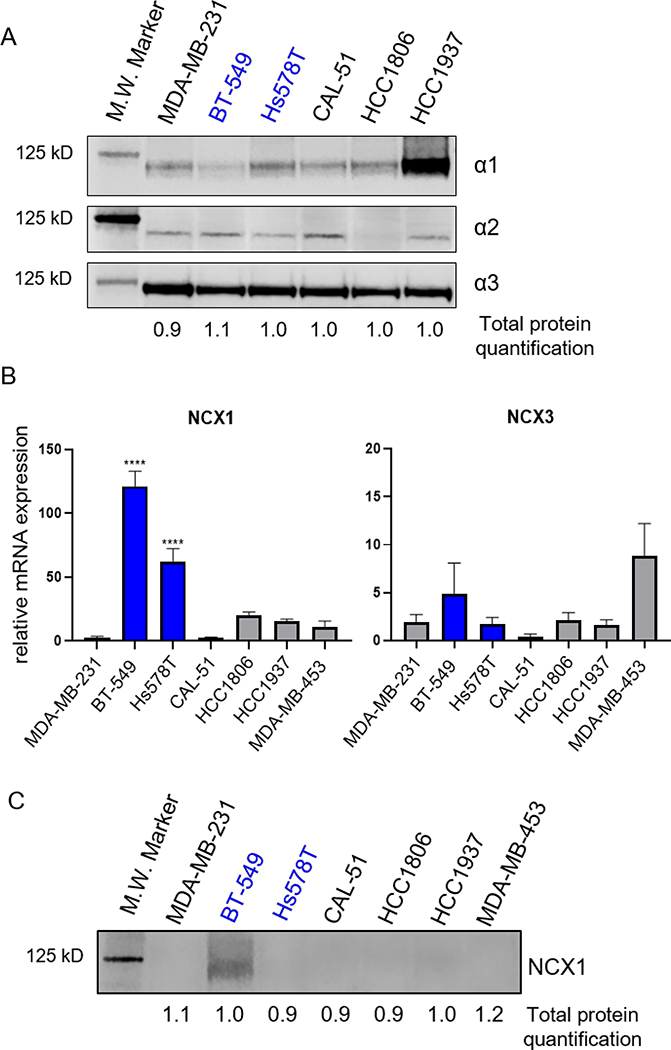
Triple-Negative Breast Cancer Cells Exhibit Differential Sensitivity to Cardenolides from Calotropis gigantea
Background
This study screened natural product extracts against molecularly diverse triple-negative breast cancer (TNBC) cell lines and identified Calotropis gigantea as selectively cytotoxic to BT-549 cells. Bioassay-guided fractionation yielded nine cardenolides, including the new frugosidal. Cardenolide potency correlated with Na+/K+ ATPase inhibition, and calotropin increased intracellular Ca2+ more in sensitive cells. Hs578T cells were also sensitive. Sensitive lines showed higher NCX1 mRNA, suggesting NCX1 as a potential biomarker for cardiac glycoside treatment in TNBC.
Key Findings
Screening of Calotropis gigantea extract against TNBC cell lines revealed selective cytotoxicity for BT-549 cells. Bioassay-guided purification yielded nine cardenolides, including eight known compounds and one new glycoside, frugosidal. The cardenolides inhibited Na+/K+ ATPase, and this inhibition correlated with potency and selectivity for BT-549 cells. Calotropin, the most selective compound, rapidly increased intracellular Ca2+ in sensitive BT-549 cells compared with resistant MDA-MB-231 cells. A second sensitive line, Hs578T, was identified. Both BT-549 and Hs578T expressed markedly higher NCX1 mRNA than resistant TNBC lines, though NCX1 knockout did not abolish calotropin sensitivity. These findings suggest that NCX1 mRNA may serve as a biomarker to identify TNBC patients who could benefit from cardiac glycoside therapy, warranting further clinical investigation.
Contribution
Creative Bioarray provided the CAL-51 triple-negative breast cancer cell line used in the cytotoxicity screening panel. This enabled comparative testing of cardenolide sensitivity across molecularly diverse TNBC models and helped establish the differential selectivity of Calotropis gigantea cardenolides for BT-549 and Hs578T cells.
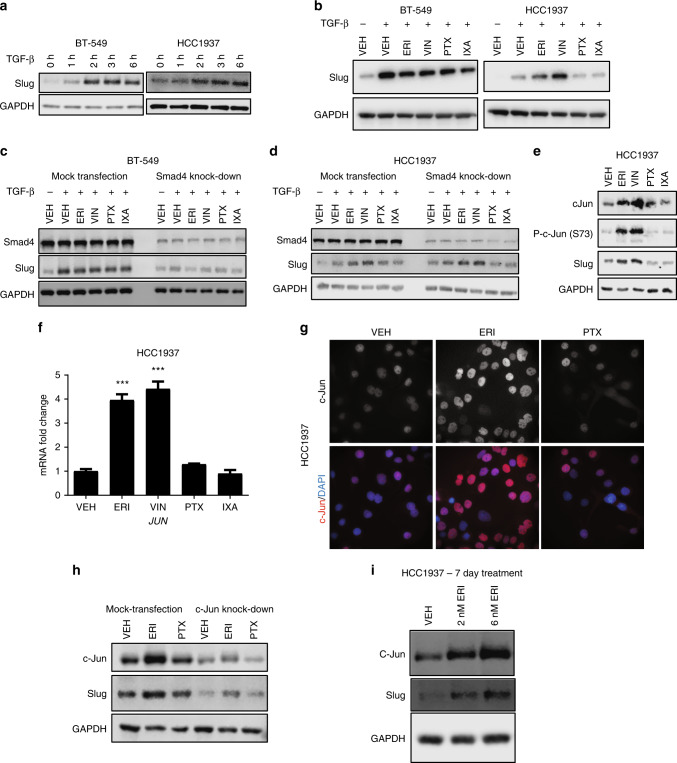
Eribulin rapidly inhibits TGF-β-induced Snail expression and can induce Slug expression in a Smad4-dependent manner
Background
Microtubule targeting agents have anticancer effects beyond mitosis, but their impact on TGF-β-driven EMT is unclear. This study evaluated eribulin, vinorelbine, paclitaxel and ixabepilone in breast cancer cells. Eribulin and vinorelbine rapidly inhibited TGF-β-induced Snail by blocking microtubule-dependent nuclear localization of Smad2/3, reducing SNAI1 transcription. Unexpectedly, in cells with low Smad4, eribulin and vinorelbine induced Slug independently of TGF-β/Smad signaling via c-Jun. Smad4 re-expression attenuated Slug induction. The findings suggest high Smad4 may predict eribulin-mediated EMT reversal and highlight distinct signaling effects among microtubule targeting drugs.
Key Findings
Eribulin, vinorelbine, and in some cells ixabepilone, but not paclitaxel, rapidly inhibited TGF-β-induced Snail expression and SNAI1 transcription. This occurred through impaired microtubule-dependent nuclear localization of Smad2/3, while Smad2/3 phosphorylation was unaffected. Smad4 remained able to bind the SNAI1 promoter, but was insufficient to drive transcription without nuclear Smad2/3. In contrast, eribulin and vinorelbine unexpectedly induced Slug in a TGF-β-independent manner in breast cancer cells with low Smad4. Mechanistically, microtubule depolymerization increased c-Jun, and c-Jun knockdown attenuated eribulin-mediated Slug upregulation. Low Smad4 expression correlated with eribulin-induced SNAI2 upregulation, and Smad4 re-expression in Smad4-null cells suppressed this response. These results identify a mechanism by which eribulin can reverse EMT and suggest Smad4 levels may serve as a biomarker for response.
Contribution
Creative Bioarray provided the CAL-51 breast cancer cell line used in this study. This cell line was included in the panel of breast cancer models to evaluate microtubule targeting agents' effects on TGF-β-induced EMT regulators, including Snail and Slug expression and Smad signaling.
Altertoxin II, a Highly Effective and Specific Compound against Ewing Sarcoma
Background
This study screened natural product extracts for selective cytotoxicity against pediatric solid tumor cell lines and identified altertoxin II (ATXII) from an Alternaria fungus as a potent, Ewing sarcoma-selective compound. ATXII was active across multiple Ewing sarcoma lines with ~25-fold selectivity over other pediatric and adult cancer cells. It induced DNA double-strand breaks, DNA damage responses, and S-phase accumulation without directly binding DNA. ATXII also showed dose-dependent antitumor efficacy in an A-673 xenograft model, supporting its potential as a therapeutic lead and chemical probe for Ewing sarcoma.
Key Findings
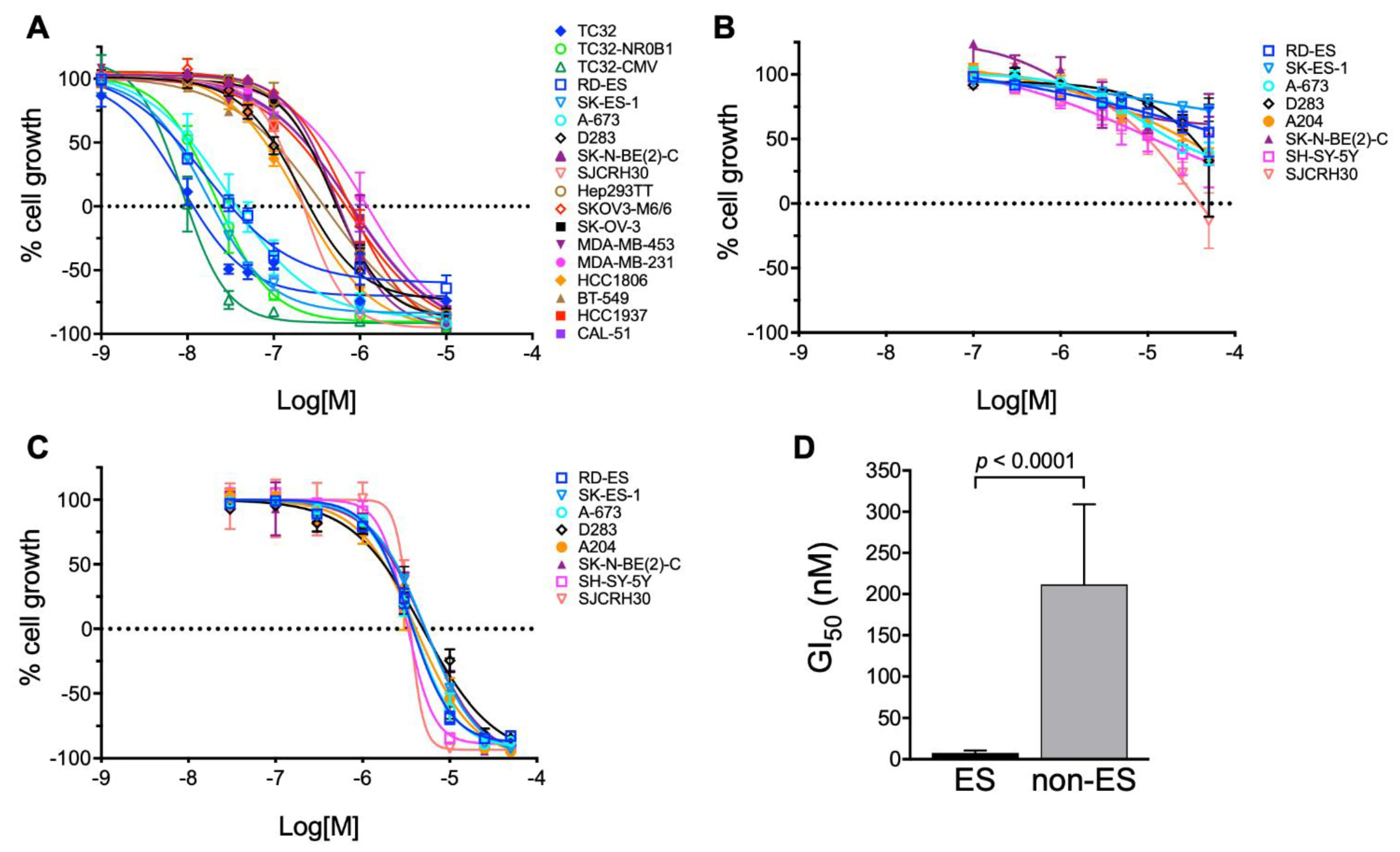
Altertoxin II (ATXII), a perylene quinone from Alternaria sp., was identified as a highly potent and selective cytotoxin against Ewing sarcoma (ES) cell lines. In a panel of six ES and twelve non-ES cancer cell lines, ATXII showed average GI50 8 nM in ES cells versus 200 nM in non-ES cells, approximately 25-fold selectivity; related compounds altertoxin I and alteichin lacked this selectivity. ATXII inhibited colony formation after short exposure, indicating persistent effects. It did not alter EWS-FLI1 protein levels or transcriptional activity at active concentrations. ATXII induced DNA double-strand breaks, Chk1/Chk2/p53 phosphorylation, γ-H2A.X accumulation, and S-phase arrest preferentially in ES cells. These DNA-damaging effects were independent of direct DNA binding, as shown by LLAMAS and biolayer interferometry. ATXII also demonstrated dose-dependent antitumor efficacy in an A-673 ES xenograft model.
Contribution
Creative Bioarray provided the CAL-51 triple-negative breast cancer cell line used in the cytotoxicity panel. This cell line served as a non-Ewing sarcoma control, helping demonstrate altertoxin II's approximately 25-fold selectivity for Ewing sarcoma cells and supporting evaluation of its cancer-type-specific activity.
Growth Inhibitory Effect of Everolimus and Gefitinib in TNBC Cell Lines
TNBC shows resistance to both hormonal treatment and anti-HER2 therapy which leads to suboptimal results from standard chemotherapy treatments and early recurrence of disease. The PI3K/AKT/mTOR pathway activation combined with EGFR overexpression occurs frequently in TNBC which presents these molecular targets as potential therapeutic intervention points. Guerrab's team investigated how combining everolimus with gefitinib to block both mTOR and EGFR pathways improves treatment outcomes for TNBC cells, especially those that carry PI3K or PTEN mutations.
The study utilized triple-negative breast cancer cell lines HCC-1937, SUM-1315, and CAL-51 as in vitro models. Everolimus and gefitinib's growth inhibition effects were tested using an XTT assay on three TNBC cell lines, with drug concentrations similar to those in clinical studies. They tested the responsiveness of TNBC cells to ascending everolimus concentrations ranging from 0.1 to 1000 nM as shown in Fig. 1A. At 100 nM concentration cell viability fell by 20% then stabilized with no further decrease even at higher doses while the IC50 remained above 1000 nM across all tested cell lines. The study investigated the combined treatment effects of gefitinib and 100 nM everolimus. Figure 1B demonstrates that cell viability diminished as the dosage increased. The combination of everolimus with gefitinib showed no significant improvement in HCC-1937 and SUM-1315 cells. In CAL-51 cells everolimus enhanced gefitinib's cytotoxic effects significantly across a concentration range of 1 to 20 µM with statistical significance. They examined TNBC cell sensitivity to increasing concentrations (0.1 to 1000 nM) of everolim Comparing experimental results with Bliss theoretical curves showed a synergistic effect in combination treatments. The IC50 of gefitinib alone was 25.15 µM in CAL-51 cells, reduced to 15.49 µM with everolimus.
 Fig. 10. Cytotoxic effect of gefitinib and everolimus on TNBC cell lines (Guerrab A E, Bamdad M, et al., 2020).
Knockdown of CENPU in TNBC Cells Inhibits Angiogenesis in Vitro
Triple-negative breast cancer (TNBC) is characterized by high vascularity, but anti-angiogenic therapies show poor efficacy. Centromere protein U (CENPU), a centromere component essential for mitosis, is associated with tumorigenesis in multiple cancers; however, little is known of its role in breast cancer. Pan et al. investigated its expression and function of promoting angiogenesis in TNBC.
To investigate CENPU's role in TNBC, they infected MDA-MB-231 and Cal51 cells with lentiviruses carrying CENPU-targeting or control shRNA (shCENPU or CON313) and confirmed successful protein knockdown via western blot (Fig. 2A). RNA sequencing of Cal51-shCENPU and Cal51-CON313 cells showed CENPU's significant association with cancers, especially breast cancer (Fig. 2B). The knockdown of CENPU produced significant effects on genes related to angiogenesis in Cal51 cells according to Gene Ontology analysis (Fig. 2C). The analysis of CENPU's role in angiogenesis and migration included tube formation tests displayed in Fig. 2D and Fig.3B), transwell migration (Fig. 2E, Fig. 3C), and wound-healing assays (Fig. 2F, Fig. 3D). Exposure to TCM from TNBC cells expressing shCENPU led to reduced tube formation and migration abilities as well as wound-healing capacity in HUVECs according to Fig. 2D–F. CENPU-knockdown had limited effects in normal breast cell lines (Figs. 3B–D). This suggests that reducing CENPU expression decreases pro-angiogenic and pro-migratory factors in TNBC cells.
 Fig. 11. CENPU promotes TNBC cells angiogenesis (Pan T, Zhou D, et al., 2020).
 Fig. 12. CENPU promotes normal breast cells angiogenesis limitedly (Pan T, Zhou D, et al., 2020).
Ask a Question
Write your own review
- You May Also Need
Description: MCF10DCIS.com is a clonal breast cancer cell line derived from a xenograft originating from premalignant MCF10AT cells that were injected into severe combined immune-deficient mice. MCF10AT is ...
Description: Species: human, Caucasian female 69 years old; Tissue: breast; Tumor: adenocarcinoma; Transfected with ER-pBact, human estrogen receptor cDNA, under control of the human beta actin promotor, ...
Description: Histopathology: breast cancerNote: NK (natural killer) cell resistant clone
Description: ZR-75-30 was derived from malignant ascites fluid from a 47-year-old premenopausal Black woman with infiltrating ductal carcinoma.
Description: Species: human - female, 74 years old, CaucasianTumorigenecity: yes, in nude miceIsoenzyme: G6PD, B; PGM3, 1; PGM1, 1; ES-D, 1; Me-2, 0; AK-1, 1; GLO-1, 1Histopathology: carcinoma, ductal
Description: Species: human, Caucasian female 69 years old; Tissue: breast; Tumor: adenocarcinoma; Transfected with the exon 5 defective variant of human estrogen receptor cDNA, cloned in pZeoSV vector, resistant ...
- Adipose Tissue-Derived Stem Cells
- Human Neurons
- Mouse Probe
- Whole Chromosome Painting Probes
- Hepatic Cells
- Renal Cells
- In Vitro ADME Kits
- Tissue Microarray
- Tissue Blocks
- Tissue Sections
- FFPE Cell Pellet
- Probe
- Centromere Probes
- Telomere Probes
- Satellite Enumeration Probes
- Subtelomere Specific Probes
- Bacterial Probes
- ISH/FISH Probes
- Exosome Isolation Kit
- Human Adult Stem Cells
- Mouse Stem Cells
- iPSCs
- Mouse Embryonic Stem Cells
- iPSC Differentiation Kits
- Mesenchymal Stem Cells
- Immortalized Human Cells
- Immortalized Murine Cells
- Cell Immortalization Kit
- Adipose Cells
- Cardiac Cells
- Dermal Cells
- Epidermal Cells
- Peripheral Blood Mononuclear Cells
- Umbilical Cord Cells
- Monkey Primary Cells
- Mouse Primary Cells
- Breast Tumor Cells
- Colorectal Tumor Cells
- Esophageal Tumor Cells
- Lung Tumor Cells
- Leukemia/Lymphoma/Myeloma Cells
- Ovarian Tumor Cells
- Pancreatic Tumor Cells
- Mouse Tumor Cells