
BxPC-3
Cat.No.: CSC-C9163W
Species: Homo sapiens (Human)
Source: Pancreas
Morphology: epithelial
- Specification
- Background
- Scientific Data
- Q & A
- Customer Review
BxPC-3 is a well-characterized human pancreatic ductal adenocarcinoma (PDAC) cell line established from a primary pancreatic tumor of a 61-year-old female. It exhibits epithelial morphology, adherent growth, and robust expansion in standard culture. It is tumorigenic in immunodeficient mice and supports subcutaneous and orthotopic xenograft models, enabling in vitro and in vivo studies of pancreatic cancer biology.
A key advantage is that BxPC-3 is KRAS wild-type, distinguishing it from most PDAC lines and patient tumors, which frequently harbor KRAS mutations. This makes BxPC-3 a valuable model for the clinically distinct KRAS wild-type subset of pancreatic cancer and a useful comparator for KRAS-mutant lines such as Panc-1 and Mia PaCa-2. It is widely used to study tumor progression, chemoresistance, radiation response, cancer stem cell biology, and biomarker discovery, as well as for drug screening and target validation. Its well-characterized genomic and transcriptomic profiles, commercial availability, and reproducible growth support comparative and high-throughput studies. BxPC-3 is amenable to transfection, siRNA/CRISPR perturbation, flow cytometry, immunostaining, Western blot, qPCR, co-culture, and 3D models.
Role of Octamer Transcription Factor 4 in Proliferation, Migration, Drug Sensitivity, and Stemness Maintenance of Pancreatic Cancer Cells
To investigate the role of octamer transcription factor 4 (OCT4) in pancreatic cancer stem cells (CSCs) and its effect on pancreatic cancer (PC) cell proliferation, migration, drug sensitivity, and stemness maintenance.
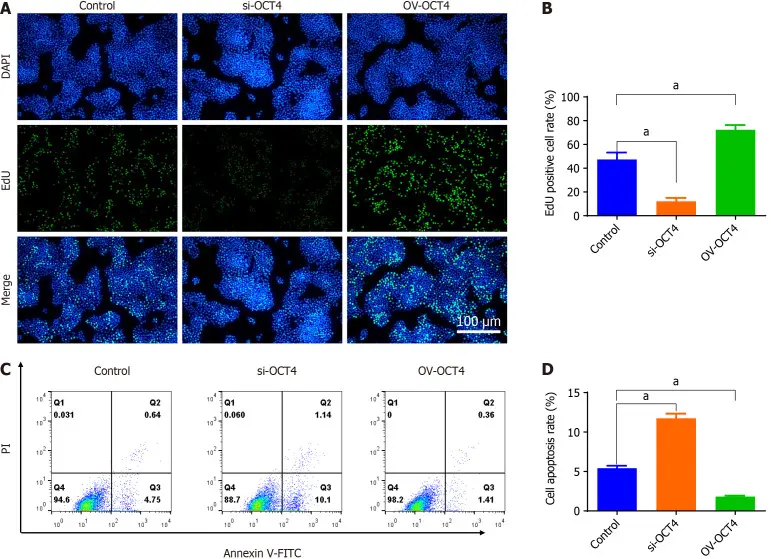
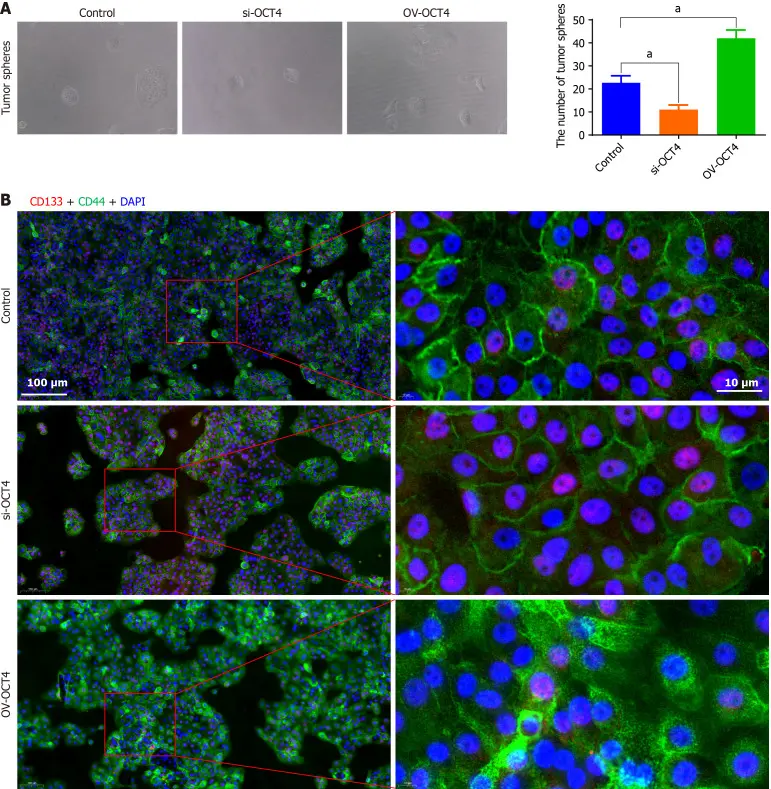
BxPC-3 cells were used to assess the effects of OCT4 modulation on cellular behavior. Proliferation, migration, and stemness of BxPC-3 cells were evaluated, and the PI3K/AKT/mTOR pathway was examined to gain mechanistic insights.
OCT4 modulation altered BxPC-3 cell proliferation, invasion, and stemness, with OCT4 overexpression (OV-OCT4) enhancing these properties and OCT4 interference decreasing them. OV-OCT4 activated the PI3K/AKT/mTOR pathway, which correlated with an increase in PC stem cells (PCSC).
Ask a Question
Write your own review
- You May Also Need

Description: Human moderately differentiated adenocarcinoma cell line established from liver metastasis.
Description: Established in 1985 from the primary ductal pancreatic adenocarcinoma (grade II) from a 44-year-old woman; reported as inducing metastasis in nude mice and as secreting proteinases (e.g. urokinase, ...

Description: established from the pancreas of a 81-year-old male patient with pancreatic ductal adenocarcinoma
Description: This cell line is a ductal pancreatic adenocarcinoma derived by differential trypsinisation of explant cultures from a metastatic lesion in the liver of a 26 year old caucasian male with cystic ...


- Adipose Tissue-Derived Stem Cells
- Human Neurons
- Mouse Probe
- Whole Chromosome Painting Probes
- Hepatic Cells
- Renal Cells
- In Vitro ADME Kits
- Tissue Microarray
- Tissue Blocks
- Tissue Sections
- FFPE Cell Pellet
- Probe
- Centromere Probes
- Telomere Probes
- Satellite Enumeration Probes
- Subtelomere Specific Probes
- Bacterial Probes
- ISH/FISH Probes
- Exosome Isolation Kit
- Human Adult Stem Cells
- Mouse Stem Cells
- iPSCs
- Mouse Embryonic Stem Cells
- iPSC Differentiation Kits
- Mesenchymal Stem Cells
- Immortalized Human Cells
- Immortalized Murine Cells
- Cell Immortalization Kit
- Adipose Cells
- Cardiac Cells
- Dermal Cells
- Epidermal Cells
- Peripheral Blood Mononuclear Cells
- Umbilical Cord Cells
- Monkey Primary Cells
- Mouse Primary Cells
- Breast Tumor Cells
- Colorectal Tumor Cells
- Esophageal Tumor Cells
- Lung Tumor Cells
- Leukemia/Lymphoma/Myeloma Cells
- Ovarian Tumor Cells
- Pancreatic Tumor Cells
- Mouse Tumor Cells