
HS-SY-II
Cat.No.: CSC-C6322J
Species: Homo sapiens (Human)
Source: Pleural Effusion Metastasis
Morphology: other
Culture Properties: Adherent cells
- Specification
- Background
- Scientific Data
- Q & A
- Customer Review
Store in liquid nitrogen.
The HS-SY-II cell line is a well-characterized human cell line derived from a metastatic lesion (pleural effusion) of a myxoid liposarcoma (MLS), a distinct subtype of soft tissue sarcoma. MLS is clinically and genetically unique, defined in approximately 90-95% of cases by a pathognomonic chromosomal translocation, t(12;16)(q13;p11), which generates the FUS-DDIT3 (also known as CHOP) fusion oncogene. This chimeric protein acts as an aberrant transcription factor, driving adipocytic differentiation arrest and tumorigenesis. The HS-SY-II line is confirmed to harbor this characteristic FUS-DDIT3 fusion, making it a genetically faithful in vitro and in vivo model for this specific sarcoma subtype, which is particularly sensitive to radiotherapy but prone to late metastases.
Key characteristics of HS-SY-II cells include an adherent, spindle-shaped to round morphology reflective of its mesenchymal origin. Critically, they maintain expression of the fusion oncoprotein and demonstrate a gene expression profile consistent with MLS. The line is tumorigenic in immunocompromised mice, forming xenografts that recapitulate aspects of the human tumor histology, a vital feature for translational pre-clinical studies.
Anti-Tumor Effect of Plasma-Activated Medium on Synovial Sarcoma Cell Line HS-SY-II
This study aimed to investigate the anti-tumor effects of plasma-activated medium (PAM) on synovial sarcoma and its underlying mechanisms, focusing on the quantitative analyses of both intracellular reactive oxygen species (ROS) and cell apoptosis.
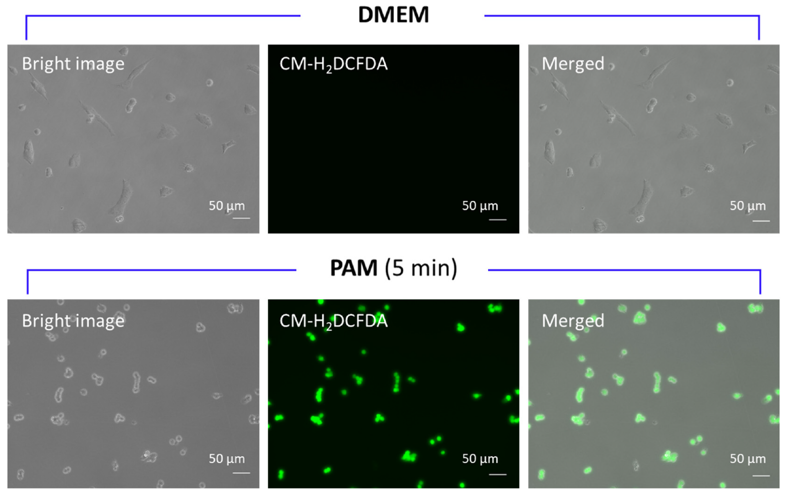
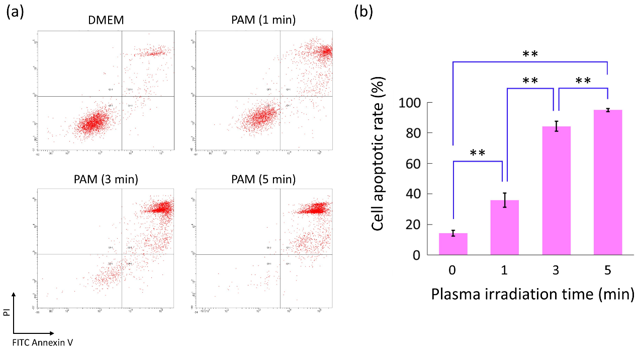
The human synovial sarcoma cell line HS-SY-II was used to investigate the cell viability after PAM treatment. Moreover, we observed PAM-induced intracellular ROS accumulation and cell apoptosis and assessed the involvement of intracellular ROS in the anti-tumor effects of PAM using an intracellular ROS scavenger.
PAM significantly decreased the viability of synovial sarcoma cells compared with untreated Dulbecco's modified Eagle medium. Regarding anti-tumor mechanisms, PAM induced significant cell apoptosis and intracellular ROS accumulation. The intracellular ROS scavenger significantly inhibited the anti-tumor effect of PAM.
Ask a Question
Write your own review
- You May Also Need
Description: Cell line was derived from the tumor material xenografted in immuno-deficient mice; tumor material: primary pediatric embryonal rhabdomyosarcoma exhibiting moderate histological differentiation
Description: Human cell line derived from epithelioid sarcoma. Derived from a different patient from the patient of HS-ES-2M, 2R cell lines.
Description: Established from the bone marrow metastasis of a 17-year-old man with undifferentiated (standard classification) or unclassified (Palmer classification) alveolar rhabdomyosarcoma; cells were ...
Description: Human cell line derived from epithelioid sarcoma. Derived from a different patient from the patient of HS-ES-1 cell line.
- Adipose Tissue-Derived Stem Cells
- Human Neurons
- Mouse Probe
- Whole Chromosome Painting Probes
- Hepatic Cells
- Renal Cells
- In Vitro ADME Kits
- Tissue Microarray
- Tissue Blocks
- Tissue Sections
- FFPE Cell Pellet
- Probe
- Centromere Probes
- Telomere Probes
- Satellite Enumeration Probes
- Subtelomere Specific Probes
- Bacterial Probes
- ISH/FISH Probes
- Exosome Isolation Kit
- Human Adult Stem Cells
- Mouse Stem Cells
- iPSCs
- Mouse Embryonic Stem Cells
- iPSC Differentiation Kits
- Mesenchymal Stem Cells
- Immortalized Human Cells
- Immortalized Murine Cells
- Cell Immortalization Kit
- Adipose Cells
- Cardiac Cells
- Dermal Cells
- Epidermal Cells
- Peripheral Blood Mononuclear Cells
- Umbilical Cord Cells
- Monkey Primary Cells
- Mouse Primary Cells
- Breast Tumor Cells
- Colorectal Tumor Cells
- Esophageal Tumor Cells
- Lung Tumor Cells
- Leukemia/Lymphoma/Myeloma Cells
- Ovarian Tumor Cells
- Pancreatic Tumor Cells
- Mouse Tumor Cells