
SuperCult® AlphaMEM without Nucleosides without L-Glutamine
- Specification
- Scientific Data
- Q & A
- Customer Review
Comments:
Supplement with 2 mM L-glutamine prior to use.
Scalable longitudinal imaging and transcriptomics of cells in dynamic enclosures
Background
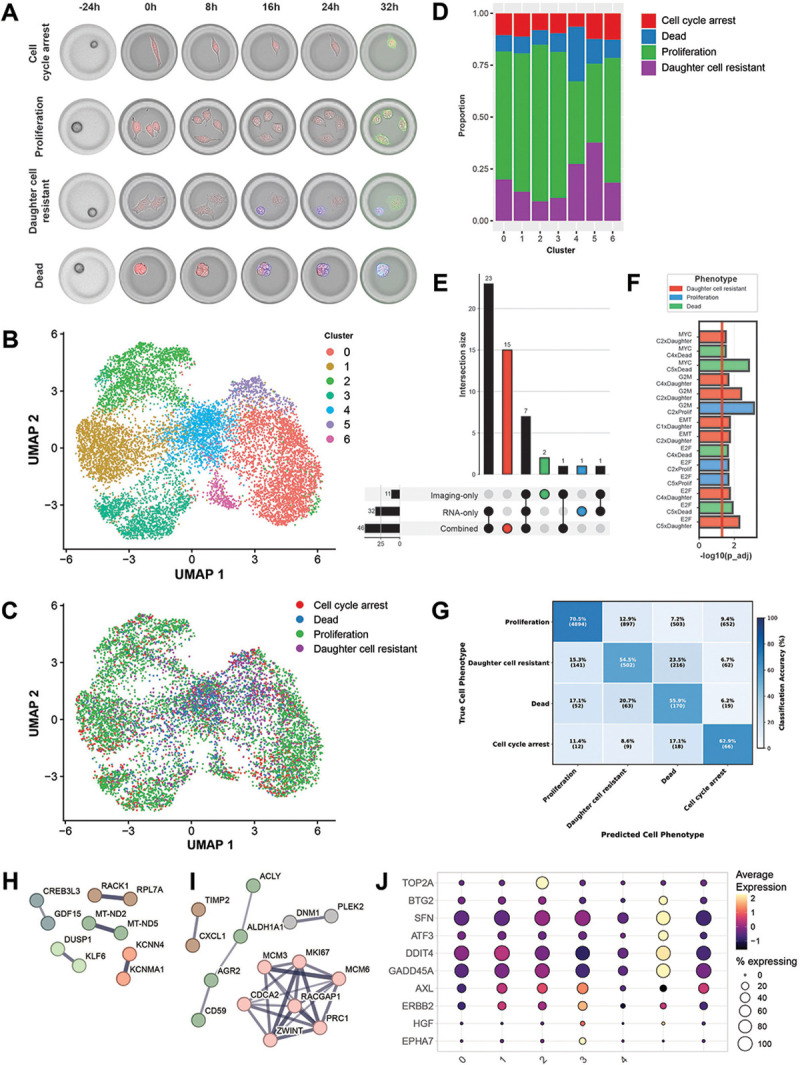
The article presents a scalable platform combining light-guided hydrogel polymerization and computer vision to create CellCage Enclosures around live cells. This enables longitudinal imaging of cellular behavior paired with whole-transcriptome profiling of the same cells. In A549 lung cancer cells treated with olmutinib, the platform uncovered a drug-resistant daughter-cell phenotype marked by potassium channel upregulation and p53-dependent quiescence. In adipogenesis and microglial phagocytosis models, integrated imaging and transcriptomics identified functional drivers missed by transcriptomic clustering alone, establishing paired functional and molecular analysis as a new datatype.
Key Findings
The authors developed CellCage Enclosures, photopolymerized hydrogel compartments that allow scalable longitudinal imaging and endpoint 3′ mRNA sequencing of tens of thousands of individual live cells, including adherent cells. They validated reproducible, specific transcriptome capture and demonstrated multi-omic measurement of PBMC responses to LPS. In A549 cells treated with olmutinib, longitudinal imaging combined with transcriptomics revealed four phenotypes, including a daughter-cell-resistant state characterized by sibling cells diverging under drug pressure. This state was linked to potassium channel genes KCNMA1/KCNN4 and p53-dependent quiescence genes (GADD45A, REDD1, ATF3, SFN, BTG2), suggesting a non-mutational adaptive resistance mechanism. In differentiating preadipocytes and BV2 microglia, imaging-derived functional readouts (lipid accumulation, phagocytosis) combined with expression data via elastic net models identified key drivers (e.g., Gpnmb, Clec4e for phagocytosis) that transcriptomic clustering alone missed. The platform thus establishes paired functional imaging and transcriptomics as a powerful approach for resolving molecular drivers of complex cell behaviors.
Contribution
Creative Bioarray provided cell culture reagents—SuperCult Alpha MEM, heat-inactivated FBS, and PremaSera Horse Serum—used to directly culture NK-92 cells. These NK-92 cells were part of the mixed cell-line reproducibility experiment validating transcriptome capture in CellCage Enclosures, supporting platform performance assessment.
Ask a Question
Write your own review
- Adipose Tissue-Derived Stem Cells
- Human Neurons
- Mouse Probe
- Whole Chromosome Painting Probes
- Hepatic Cells
- Renal Cells
- In Vitro ADME Kits
- Tissue Microarray
- Tissue Blocks
- Tissue Sections
- FFPE Cell Pellet
- Probe
- Centromere Probes
- Telomere Probes
- Satellite Enumeration Probes
- Subtelomere Specific Probes
- Bacterial Probes
- ISH/FISH Probes
- Exosome Isolation Kit
- Human Adult Stem Cells
- Mouse Stem Cells
- iPSCs
- Mouse Embryonic Stem Cells
- iPSC Differentiation Kits
- Mesenchymal Stem Cells
- Immortalized Human Cells
- Immortalized Murine Cells
- Cell Immortalization Kit
- Adipose Cells
- Cardiac Cells
- Dermal Cells
- Epidermal Cells
- Peripheral Blood Mononuclear Cells
- Umbilical Cord Cells
- Monkey Primary Cells
- Mouse Primary Cells
- Breast Tumor Cells
- Colorectal Tumor Cells
- Esophageal Tumor Cells
- Lung Tumor Cells
- Leukemia/Lymphoma/Myeloma Cells
- Ovarian Tumor Cells
- Pancreatic Tumor Cells
- Mouse Tumor Cells