
Human Neural Stem Cells-cortical region
- Specification
- Background
- Scientific Data
- Q & A
- Customer Review
Never can primary cells be kept at -20 °C.
Human neural stem cells (NSCs) of cortical origin are derived from the developing dorsal telencephalon, typically between gestational weeks 6–9, and can be expanded in vitro as neurospheres or adherent monolayers. Their fundamental advantage lies in the stable retention of regional identity—unlike NSCs from other CNS regions, cortical NSCs maintain a forebrain-specific transcriptional program (e.g., EMX2, PAX6) and, upon differentiation, preferentially generate glutamatergic projection neurons, calretinin‑positive interneurons, and tyrosine‑hydroxylase‑positive cells, mirroring the excitatory/inhibitory balance of the human cerebral cortex. This regionally encoded fate is preserved over multiple passages and even after xenotransplantation, ensuring reproducible and physiologically relevant outcomes. Second, they exhibit robust self‑renewal and multipotency, yielding neurons, astrocytes, and oligodendrocytes in defined ratios, while retaining a high neurogenic bias—a property that declines in adult NSCs. Third, their superior engraftment and integration in injury models (e.g., stroke, trauma) have been demonstrated: transplanted cortical NSCs migrate along white matter tracts, form functional synapses with host neurons, and improve behavioural recovery, underscoring their therapeutic potential.
Critically, human cortical NSCs offer unparalleled relevance for disease modelling. They enable the study of human‑specific corticogenesis, including the generation of outer radial glial cells—a population absent in rodents—which is essential for modelling lissencephaly, microcephaly, and autism‑related macrocephaly. Combined with CRISPR‑editing, they provide an isogenic platform for mechanistic dissection of neuropsychiatric disorders.
Resveratrol-Enhanced Human Neural Stem Cell-Derived Exosomes Mitigate MPP+-Induced Neurotoxicity
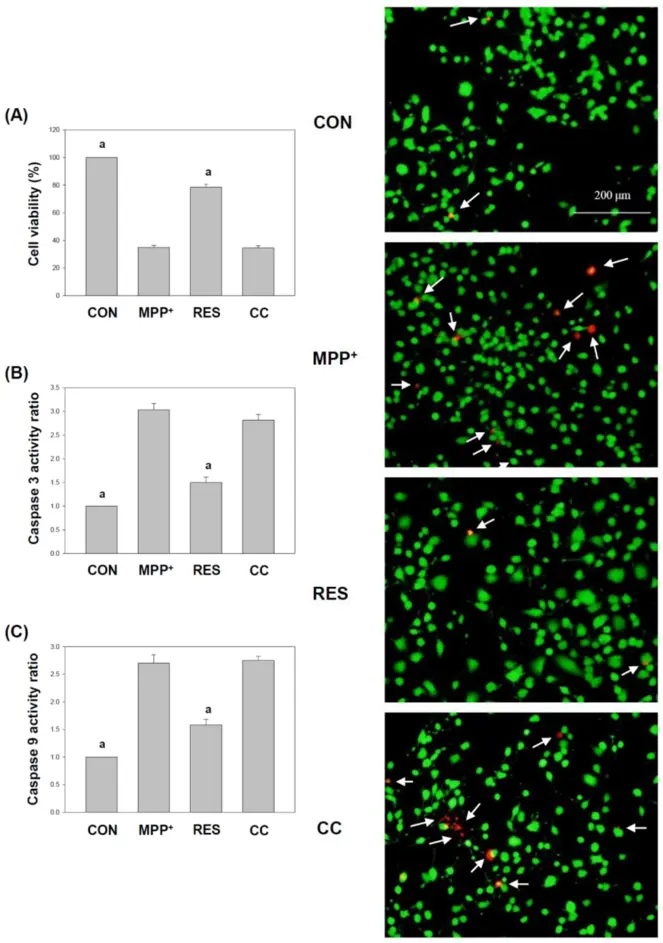
Exosome (Exo)-based therapies, particularly those derived from human neural stem cells (hNSCs), offer promising neuroprotective effects due to their ability to transfer bioactive molecules that modulate cellular processes. Resveratrol (RES), a polyphenolic compound with potent antioxidant and anti-inflammatory properties, has been shown to enhance the therapeutic potential of stem cell (SC)-derived Exos. This study investigated the neuroprotective effects of RES-treated hNSCs-derived Exos (RES-hNSCs-Exos) on SH-SY5Y cells exposed to 1-methyl-4-phenylpyridinium (MPP+), a neurotoxin commonly used to model Parkinsonian neurotoxicity.
Treating SH-SY5Y cells with MPP+ led to significant reductions in cell viability, mitochondrial dysfunction, increased oxidative stress, and the activation of inflammatory pathways. Treatment with RES-hNSCs-Exos rescued SH-SY5Y cells from MPP+-induced toxicity by improving cell viability, enhancing ATP production, increasing mitochondrial biogenesis, and reducing reactive oxygen species (ROS) generation. The findings also demonstrated the increased expression of essential genes involved in mitochondrial biogenesis, such as PGC1α, NRF1, and Tfam, indicating improved mitochondrial function in the presence of RES-hNSCs-Exos.
Ask a Question
Write your own review
- Adipose Tissue-Derived Stem Cells
- Human Neurons
- Mouse Probe
- Whole Chromosome Painting Probes
- Hepatic Cells
- Renal Cells
- In Vitro ADME Kits
- Tissue Microarray
- Tissue Blocks
- Tissue Sections
- FFPE Cell Pellet
- Probe
- Centromere Probes
- Telomere Probes
- Satellite Enumeration Probes
- Subtelomere Specific Probes
- Bacterial Probes
- ISH/FISH Probes
- Exosome Isolation Kit
- Human Adult Stem Cells
- Mouse Stem Cells
- iPSCs
- Mouse Embryonic Stem Cells
- iPSC Differentiation Kits
- Mesenchymal Stem Cells
- Immortalized Human Cells
- Immortalized Murine Cells
- Cell Immortalization Kit
- Adipose Cells
- Cardiac Cells
- Dermal Cells
- Epidermal Cells
- Peripheral Blood Mononuclear Cells
- Umbilical Cord Cells
- Monkey Primary Cells
- Mouse Primary Cells
- Breast Tumor Cells
- Colorectal Tumor Cells
- Esophageal Tumor Cells
- Lung Tumor Cells
- Leukemia/Lymphoma/Myeloma Cells
- Ovarian Tumor Cells
- Pancreatic Tumor Cells
- Mouse Tumor Cells