
Skin Cells
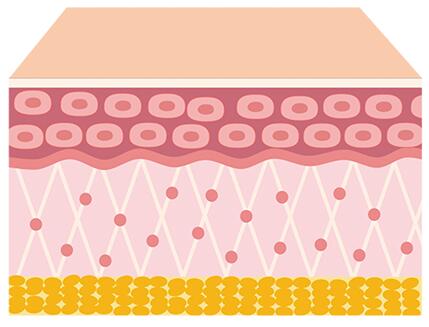
The skin is the body's largest organ and serves as a critical barrier against environmental insults while contributing to wound healing, immune regulation, extracellular matrix maintenance, and tissue homeostasis. Dermal fibroblasts play central roles in skin structure, collagen production, tissue remodeling, and repair processes, making them indispensable tools for dermatological and translational research.
Our skin cell portfolio includes primary human dermal fibroblasts, mesothelial cells, disease-associated fibroblast models, and donor-specific cell populations. These cell resources support studies of skin biology, wound healing, fibrosis, aging, inflammation, genetic disorders, regenerative medicine, and disease modeling across a broad range of clinical indications.

10+
Disease-Associated
Cell Models

100 %
Mycoplasma-Free
Tested

4+
Research Fields
Supported
Filter By:
Our Skin Cell Portfolio Highlights
Comprehensive Skin Cell Resources
Our collection includes healthy donor-derived and disease-associated skin cell models for diverse dermatological and translational research applications.
-
Dermal Fibroblast Models
- Postnatal and adult dermal fibroblasts
- Normal donor-derived skin fibroblasts
- Models supporting tissue remodeling and extracellular matrix studies
-
Disease-Specific Fibroblast Resources
- Diabetes-associated skin fibroblasts
- Neurological and neuromuscular disease-derived fibroblasts
- Autoimmune and inflammatory disease-related fibroblast models
-
Specialized Skin and Mesothelial Cells
- Human adult mesothelial cells
- Diabetic donor-derived mesothelial cells

Applications in Skin and Disease Research
These cell models enable investigations of skin physiology, disease mechanisms, tissue regeneration, and translational therapeutic development.
-
Wound Healing & Tissue Repair
Study fibroblast-mediated tissue remodeling, extracellular matrix production, and cellular responses during skin regeneration and repair.
-
Fibrosis & Inflammatory Disease Research
Investigate mechanisms associated with chronic inflammation, fibrosis, autoimmune disorders, and pathological tissue remodeling.
-
Disease Modeling
Utilize patient-derived fibroblast models to study disease-associated cellular phenotypes, signaling pathways, and therapeutic responses.
-
Regenerative Medicine & Cell Therapy
Support development of advanced tissue engineering approaches, regenerative therapies, and personalized medicine applications.
Why are dermal fibroblasts widely used in biomedical research?
Dermal fibroblasts are readily accessible primary cells that actively regulate extracellular matrix production, tissue repair, and cellular signaling. They are frequently used in studies of skin biology, fibrosis, aging, and regenerative medicine.
Can skin fibroblasts be used for disease modeling?
Yes. Patient-derived skin fibroblasts retain disease-relevant genetic and cellular characteristics, making them valuable tools for investigating disease mechanisms, biomarker discovery, and therapeutic screening.
What advantages do disease-specific fibroblast models provide?
Disease-associated fibroblasts enable researchers to examine pathological cellular phenotypes, signaling abnormalities, and treatment responses in a physiologically relevant human cell system.
How are skin fibroblasts used in regenerative medicine research?
Skin fibroblasts are commonly utilized in tissue engineering, wound healing studies, extracellular matrix research, and cell reprogramming workflows due to their robust growth and biological relevance.
What applications do diabetic donor-derived skin cells support?
These cells are useful for investigating impaired wound healing, chronic inflammation, altered extracellular matrix remodeling, and cellular dysfunction associated with diabetes.
Why are patient-derived skin fibroblasts frequently used in rare disease research?
Skin biopsies provide an accessible source of patient-specific cells that can be expanded in vitro and used to study inherited disorders, cellular phenotypes, and personalized therapeutic strategies.