
Porcine Primary Cells
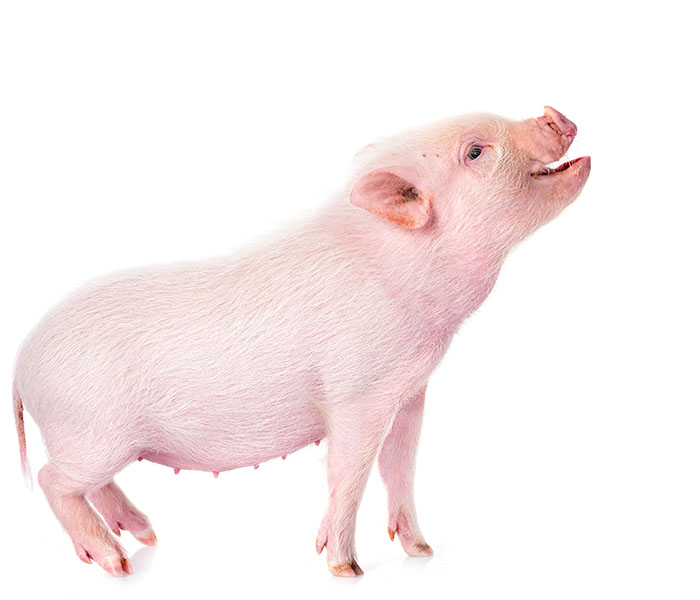

Porcine primary cells are widely recognized as valuable translational research tools due to the anatomical, physiological, and metabolic similarities between pigs and humans. Porcine cellular models are frequently used in cardiovascular research, regenerative medicine, xenotransplantation studies, metabolic disease investigations, and medical device development.
Our porcine primary cell portfolio includes endothelial cells, epithelial cells, fibroblasts, smooth muscle cells, immune cells, hepatocytes, and tissue-specific cell populations isolated from diverse organs and vascular beds. These models provide biologically relevant systems for both basic research and large-animal preclinical studies.

100 +
Primary Cell
Models Available

20 +
Organ Systems
Represented

30 +
Endothelial Cell
Models
Filter By:
Our Porcine Primary Cell Portfolio Highlights

Comprehensive Porcine Cell Resources
A broad collection of porcine primary cells representing multiple tissues, vascular systems, and physiological functions.
-
Vascular Cell Models
- Aortic, arterial, venous, pulmonary, and microvascular endothelial cells
- Smooth muscle cells from cardiovascular and visceral tissues
- Lymphatic and organ-specific endothelial populations
-
Organ-Specific Cell Types
- Liver, kidney, lung, pancreas, intestine, bladder, thyroid, and reproductive tissues
- Epithelial, fibroblast, stromal, and parenchymal cell populations
- Specialized retinal, placental, and mammary cell models
-
Immune & Hematopoietic Cells
- PBMCs, dendritic cells, macrophages, monocytes, and neutrophils
- Bone marrow-derived cell populations
- CD34+ progenitor cell resources

Support for Translational Research
Porcine primary cells provide relevant in vitro systems bridging basic research and large-animal preclinical studies.
-
Cardiovascular Research
Suitable for vascular biology, endothelial function, smooth muscle biology, and cardiovascular device evaluation.
-
Regenerative Medicine Studies
Useful for tissue engineering, stem cell-based research, and organ regeneration investigations.
-
Xenotransplantation Research
Support studies exploring cross-species transplantation and donor tissue compatibility.
-
Metabolic & Organ Disease Modeling
Enable studies involving liver, pancreas, kidney, pulmonary, and gastrointestinal systems.
Why are porcine primary cells widely used in translational research?
Pigs share many anatomical and physiological similarities with humans, making porcine cells valuable tools for bridging in vitro discoveries and large-animal preclinical studies.
Do you provide vascular endothelial cell models from different tissues?
Yes. Our portfolio includes aortic, coronary, pulmonary, renal, retinal, lymphatic, placental, and multiple organ-specific endothelial cell populations.
Can porcine cells be used for cardiovascular research?
Absolutely. We provide endothelial cells, smooth muscle cells, fibroblasts, and cardiac microvascular cells commonly used in vascular biology and cardiovascular device studies.
Are immune and hematopoietic cell populations available?
Yes. Available products include PBMCs, macrophages, dendritic cells, monocytes, neutrophils, and bone marrow-derived progenitor cell populations.
What research areas are commonly supported by porcine primary cells?
Common applications include cardiovascular research, regenerative medicine, xenotransplantation, metabolic disease studies, gastrointestinal research, pulmonary biology, and medical device evaluation.