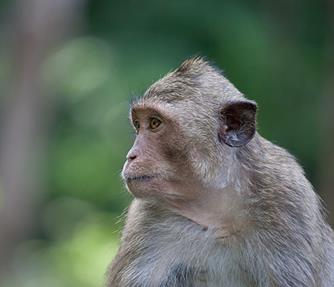
Monkey Primary Cells

Non-human primates (NHPs), particularly cynomolgus and rhesus monkeys, are among the most biologically relevant animal models for translational biomedical research. Their close genetic, physiological, and immunological similarities to humans make monkey primary cells valuable tools for drug discovery, toxicology, immunology, infectious disease studies, and preclinical safety assessment.

Our monkey primary cell portfolio includes hepatocytes, immune cells, fibroblasts, smooth muscle cells, and epithelial cell populations derived from multiple organs and tissues. These physiologically relevant models support investigations of disease mechanisms, therapeutic responses, tissue-specific biology, and translational research applications.

Product List

Our Monkey Primary Cell Portfolio Highlights

Extensive Non-Human Primate Cell Resources

Our monkey primary cell collection encompasses diverse tissue-derived models relevant to preclinical and translational research.

  • Broad Tissue Representation
    • Liver, kidney, lung, heart, intestine, spleen, and pancreas
    • Reproductive, endocrine, ocular, and gastrointestinal tissues
    • Vascular and connective tissue-derived cell populations
  • Diverse Cellular Lineages
    • Fibroblasts, epithelial cells, smooth muscle cells, and immune cells
    • Hepatocytes and liver non-parenchymal cells
    • Specialized organ-specific primary cell models
  • Research-Ready Formats
    • Fresh and cryopreserved cell preparations
    • Normal and tissue-specific primary cell models
    • Suitable for in vitro and translational research workflows

Applications in Translational Research

Monkey primary cells provide biologically relevant systems for bridging preclinical findings and human biology.

  • Drug Discovery & Safety Assessment

    Support pharmacology, toxicology, ADME, and safety evaluation studies.

  • Immunology & Infectious Disease Research

    Investigate immune cell function, host-pathogen interactions, and therapeutic responses.

  • Organ-Specific Biology

    Study tissue physiology, cellular signaling, fibrosis, and organ remodeling processes.

  • Translational Medicine

    Generate biologically relevant data that may support the translation of experimental findings into clinical development programs.

70 +
Primary Cell
Models Available

15 +
Tissue Sources
Represented

100 %
Mycoplasma-Free
Tested

Frequently
Asked
Questions

Find your question here or ask us

Ask Question

Why are monkey primary cells valuable for translational research?

Non-human primates share many physiological, genetic, and immunological characteristics with humans, making monkey primary cells highly relevant for translational and preclinical investigations.

What types of monkey cells are available?

Our portfolio includes hepatocytes, liver non-parenchymal cells, immune cells, fibroblasts, smooth muscle cells, epithelial cells, and organ-specific primary cell models derived from multiple tissues.

Can monkey primary cells support drug metabolism studies?

Yes. Monkey hepatocytes and liver-associated cell populations are widely used in studies of drug metabolism, toxicity assessment, and pharmacokinetic profiling.

Are immune cell models available?

Yes. We offer splenocytes, CD3+ T cells, granulocytes, and bone marrow-derived progenitor cell populations suitable for immunology and infectious disease research.

Which research areas commonly use monkey primary cells?

Applications include drug discovery, toxicology, vaccine development, infectious disease research, immunology, fibrosis studies, regenerative medicine, and translational biology.

Do monkey primary cells provide advantages over other animal models?

For many preclinical applications, monkey primary cells offer closer biological relevance to human physiology, helping improve the predictive value of experimental studies.

Filters Clear all filters

Species

  • Bovine (22)
  • Cat (45)
  • Chicken (11)
  • Chinchilla (1)
  • Dog (118)
  • Fish (1)
  • Fruitfly (1)
  • Goat (46)
  • Guinea Pig (8)
  • Hamster (94)
  • Horse (1)
  • Human (800)
  • Minipig (2)
  • Monkey (129)
  • Mouse (875)
  • Pig (110)
  • Rabbit (249)
  • Rat (324)
  • Sheep (2)
  • Squirrel (1)
  • Turkey (1)

Source

  • Adipose (32)
  • Adrenal Gland (11)
  • Airway (8)
  • Anus (3)
  • Aorta (86)
  • Artery (180)
  • Bile Duct (9)
  • Bladder (49)
  • Blood (193)
  • Bone (13)
  • Bone Marrow (157)
  • Brain (163)
  • Breast (64)
  • Bronchus (43)
  • Cartilage (29)
  • Cervix (5)
  • Chorion (5)
  • Choroid (9)
  • Ciliary Body (1)
  • Colon (63)
  • Conjunctiva (9)
  • Cord Blood (24)
  • Cornea (27)
  • Dental Pulp (4)
  • Dermis (111)
  • Diaphragm (3)
  • Ear (12)
  • Embryo (24)
  • Endometrium (11)
  • Epidermis (26)
  • Epididymis (3)
  • Esophagus (35)
  • Eye (95)
  • Foreskin (2)
  • Gallbladder (4)
  • Gingiva (20)
  • Hair Follicle (15)
  • Heart (72)
  • Intestine (152)
  • Iris (1)
  • Kidney (151)
  • Lens (4)
  • Liver (117)
  • Lung (193)
  • Lymph Node (27)
  • Mesentery (18)
  • Nose (5)
  • Olfactory Bulb (1)
  • Oral Cavity (12)
  • Ovary (72)
  • Oviduct (7)
  • Pancreas (68)
  • Pancreatic Duct (3)
  • Pancreatic Islet (11)
  • Parathyroid Gland (4)
  • Penis (7)
  • Perineurium (1)
  • Periodontal Ligament (5)
  • Periodontium (25)
  • Peripheral Blood (153)
  • Peritoneal Cavity (14)
  • Placenta (29)
  • Prostate (62)
  • Pudenda (2)
  • Rectum (3)
  • Retina (38)
  • Salivary Gland (3)
  • Sclera (3)
  • Seminal Vesicle (1)
  • Skeletal Muscle (36)
  • Skin (155)
  • Small Intestine (56)
  • Spinal Cord (10)
  • Spleen (76)
  • Stomach (37)
  • Synovial Fluid (2)
  • Synovium (13)
  • Tendon (8)
  • Testis (15)
  • Thymus (51)
  • Thyroid (34)
  • Tongue (6)
  • Tonsil (3)
  • Tooth (4)
  • Trabecular Meshwork (3)
  • Trachea (46)
  • Umbilical Cord (29)
  • Ureter (10)
  • Urethra (3)
  • Uterus (61)
  • Vas Deferens (1)
  • Vein (104)

Cell Type

  • Adipocyte (4)
  • Astrocyte (34)
  • B Cell (30)
  • Basal Cell (3)
  • Basophil (1)
  • Beta Cell (3)
  • Cardiomyocyte (18)
  • CD133+ Cell (6)
  • CD34+ Cell (21)
  • Cholangiocyte (9)
  • Chondrocyte (19)
  • Dendritic Cell (15)
  • Endothelial Cell (688)
  • Endothelial Progenitor Cell (7)
  • Eosinophil (1)
  • Epithelial Cell (516)
  • Fibroblast (473)
  • Glial Cell (58)
  • Goblet Cell (1)
  • Granule Cell (2)
  • Granulocyte (12)
  • Granulosa Cell (1)
  • Hepatic Stellate Cell (9)
  • Hepatocyte (22)
  • Interstitial Cell (10)
  • Keratinocyte (24)
  • Keratocyte (3)
  • Kupffer Cell (8)
  • Leydig Cell (3)
  • Lymphocyte (84)
  • Macrophage (31)
  • Mast Cell (3)
  • Melanocyte (11)
  • Meningeal Cell (5)
  • Mesangial Cell (10)
  • Mesothelial Cell (5)
  • Microglia (7)
  • Microvascular Cell (308)
  • Monocyte (16)
  • Mononuclear Cell (110)
  • Myeloid Cell (2)
  • Myoblast (5)
  • Myofibroblast (3)
  • Myosatellite Cell (2)
  • Neuron (50)
  • Neutrophil (10)
  • NK Cell (11)
  • Oligodendrocyte (3)
  • Oligodendrocyte Progenitor Cell (4)
  • Osteoblast (8)
  • Osteoclast (2)
  • Osteocyte (3)
  • Pancreatic Stellate Cell (4)
  • Pericyte (20)
  • Podocyte (5)
  • Preadipocyte (21)
  • Progenitor Cell (15)
  • Red Blood Cell (12)
  • Retinal Ganglion Cell (3)
  • Satellite Cell (2)
  • Schwann Cell (4)
  • Sebocyte (1)
  • Sertoli Cell (5)
  • Skeletal Muscle Cell (11)
  • Smooth Muscle Cell (241)
  • Spermatogonium (3)
  • Stromal Cell (41)
  • Synoviocyte (11)
  • T Cell (39)
  • Tenocyte (8)
  • Trabecular Meshwork Cell (3)
  • Trophoblast (4)

Disease

  • Acute Lymphocytic Leukemia (ALL) (15)
  • Acute Myeloid Leukemia (AML) (13)
  • Amyotrophic Lateral Sclerosis (ALS) (4)
  • Aplastic Anemia (AA) (1)
  • Arteriovenous Malformation (AVM) (1)
  • Asthma (5)
  • Astrocytoma (2)
  • Autoimmune Hemolytic Anemia (AIHA) (1)
  • Autoimmune Lymphoproliferative Syndrome (ALPS) (1)
  • Breast Cancer (8)
  • Cancer (144)
  • Cervical Cancer (2)
  • Chronic Lymphocytic Leukemia (CLL) (19)
  • Chronic Myeloid Leukemia (CML) (14)
  • Chronic Obstructive Pulmonary Disease (COPD) (6)
  • Colon Cancer (9)
  • Crohn's Disease (3)
  • Cystic Fibrosis (CF) (7)
  • Diabetes (110)
  • Diabetes Type 1 (16)
  • Diabetes Type 2 (18)
  • Diffuse Large B-Cell Lymphoma (4)
  • Dilated Cardiomyopathy (DCM) (1)
  • Duchenne Muscular Dystrophy (DMD) (5)
  • Essential Thrombocythemia (ET) (1)
  • Glioblastoma (3)
  • Guillain-Barre Syndrome (GBS) (1)
  • Hypertension (27)
  • Idiopathic Thrombocytopenic Purpura (ITP) (1)
  • Inflammatory Bowel Disease (IBD) (5)
  • Iron-Deficiency Anemia (1)
  • Kidney Cancer (3)
  • Legg–Calvé–Perthes Disease (LCPD) (2)
  • Leukopenia (1)
  • Liver Cancer (3)
  • Lung Cancer (12)
  • Mantle Cell Lymphoma (MCL) (8)
  • Melanoma (2)
  • Mucopolysaccharidosis (2)
  • Multiple Myeloma (MM) (12)
  • Multiple Sclerosis (MS) (3)
  • Muscular Dystrophy (MD) (1)
  • Myelodysplastic Syndrome (MDS) (3)
  • Neurofibromatosis (NF) (3)
  • Non-Hodgkin Lymphoma (NHL) (10)
  • Normal (2466)
  • Osteoarthritis (OA) (5)
  • Ovarian Cancer (6)
  • Pancreatic Cancer (3)
  • Pancytopenia (1)
  • Parkinson's Disease (PD) (2)
  • Plasmacytoma (1)
  • Polycythemia (1)
  • Prostate Cancer (6)
  • Psoriasis (4)
  • Rheumatoid Arthritis (RA) (7)
  • Robertsonian Translocation (ROB) (1)
  • Sickle Cell Anemia (2)
  • Systemic Lupus Erythematosus (SLE) (4)
  • Thrombocytopenia (1)
  • Transverse Myelitis (TM) (1)
  • Ulcerative Colitis (UC) (2)
  • Waldenström Macroglobulinemia (WM) (2)

Species: Monkey
Source: Bronchus
Cell Type: Fibroblast
Disease: Normal

Cat#: CSC-C4728L INQUIRY

Species: Monkey
Source: Peripheral Blood; Blood
Cell Type: NK Cell; Lymphocyte
Disease: Normal

Cat#: CSC-C4728Z INQUIRY

Species: Monkey
Source: Embryo
Cell Type: Fibroblast
Disease: Normal

Cat#: CSC-C4729L INQUIRY

Species: Monkey
Source: Bone Marrow; Blood
Cell Type: Granulocyte
Disease: Normal

Cat#: CSC-C4729Z INQUIRY

Species: Monkey
Source: Heart
Cell Type: Fibroblast
Disease: Normal

Cat#: CSC-C4730L INQUIRY

Species: Monkey
Source: Artery
Cell Type: Fibroblast
Disease: Normal

Cat#: CSC-C4731L INQUIRY

Species: Monkey
Source: Aorta
Cell Type: Fibroblast
Disease: Normal

Cat#: CSC-C4732L INQUIRY

Species: Monkey
Source: Vein
Cell Type: Fibroblast
Disease: Normal

Cat#: CSC-C4733L INQUIRY

Species: Monkey
Source: Thymus
Cell Type: Epithelial Cell
Disease: Normal

Cat#: CSC-C4734L INQUIRY

Species: Monkey
Source: Kidney
Cell Type: Epithelial Cell
Disease: Normal

Cat#: CSC-C4735L INQUIRY

Species: Monkey
Source: Epidermis; Skin
Cell Type: Keratinocyte
Disease: Normal

Cat#: CSC-C4736L INQUIRY

Species: Monkey
Source: Bronchus
Cell Type: Epithelial Cell
Disease: Normal

Cat#: CSC-C4737L INQUIRY

Species: Monkey
Source: Bladder
Cell Type: Epithelial Cell
Disease: Normal

Cat#: CSC-C4738L INQUIRY

Species: Monkey
Source: Prostate
Cell Type: Epithelial Cell
Disease: Normal

Cat#: CSC-C4739L INQUIRY

Species: Monkey
Source: Uterus
Cell Type: Epithelial Cell
Disease: Normal

Cat#: CSC-C4740L INQUIRY

Species: Monkey
Source: Uterus
Cell Type: Smooth Muscle Cell
Disease: Normal

Cat#: CSC-C4741L INQUIRY

Species: Monkey
Source: Kidney
Cell Type: Mesangial Cell
Disease: Normal

Cat#: CSC-C4741Z INQUIRY

Species: Monkey
Source: Stomach
Cell Type: Smooth Muscle Cell
Disease: Normal

Cat#: CSC-C4742L INQUIRY

For research use only. Not for any other purpose.