
Monkey Primary Cells
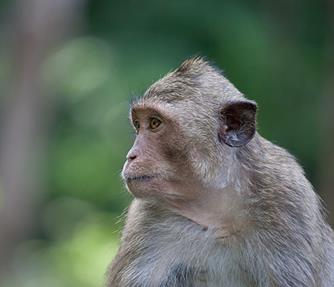

Non-human primates (NHPs), particularly cynomolgus and rhesus monkeys, are among the most biologically relevant animal models for translational biomedical research. Their close genetic, physiological, and immunological similarities to humans make monkey primary cells valuable tools for drug discovery, toxicology, immunology, infectious disease studies, and preclinical safety assessment.
Our monkey primary cell portfolio includes hepatocytes, immune cells, fibroblasts, smooth muscle cells, and epithelial cell populations derived from multiple organs and tissues. These physiologically relevant models support investigations of disease mechanisms, therapeutic responses, tissue-specific biology, and translational research applications.

70 +
Primary Cell
Models Available

15 +
Tissue Sources
Represented

100 %
Mycoplasma-Free
Tested
Filter By:
Our Monkey Primary Cell Portfolio Highlights

Extensive Non-Human Primate Cell Resources
Our monkey primary cell collection encompasses diverse tissue-derived models relevant to preclinical and translational research.
-
Broad Tissue Representation
- Liver, kidney, lung, heart, intestine, spleen, and pancreas
- Reproductive, endocrine, ocular, and gastrointestinal tissues
- Vascular and connective tissue-derived cell populations
-
Diverse Cellular Lineages
- Fibroblasts, epithelial cells, smooth muscle cells, and immune cells
- Hepatocytes and liver non-parenchymal cells
- Specialized organ-specific primary cell models
-
Research-Ready Formats
- Fresh and cryopreserved cell preparations
- Normal and tissue-specific primary cell models
- Suitable for in vitro and translational research workflows

Applications in Translational Research
Monkey primary cells provide biologically relevant systems for bridging preclinical findings and human biology.
-
Drug Discovery & Safety Assessment
Support pharmacology, toxicology, ADME, and safety evaluation studies.
-
Immunology & Infectious Disease Research
Investigate immune cell function, host-pathogen interactions, and therapeutic responses.
-
Organ-Specific Biology
Study tissue physiology, cellular signaling, fibrosis, and organ remodeling processes.
-
Translational Medicine
Generate biologically relevant data that may support the translation of experimental findings into clinical development programs.
Why are monkey primary cells valuable for translational research?
Non-human primates share many physiological, genetic, and immunological characteristics with humans, making monkey primary cells highly relevant for translational and preclinical investigations.
What types of monkey cells are available?
Our portfolio includes hepatocytes, liver non-parenchymal cells, immune cells, fibroblasts, smooth muscle cells, epithelial cells, and organ-specific primary cell models derived from multiple tissues.
Can monkey primary cells support drug metabolism studies?
Yes. Monkey hepatocytes and liver-associated cell populations are widely used in studies of drug metabolism, toxicity assessment, and pharmacokinetic profiling.
Are immune cell models available?
Yes. We offer splenocytes, CD3+ T cells, granulocytes, and bone marrow-derived progenitor cell populations suitable for immunology and infectious disease research.
Which research areas commonly use monkey primary cells?
Applications include drug discovery, toxicology, vaccine development, infectious disease research, immunology, fibrosis studies, regenerative medicine, and translational biology.
Do monkey primary cells provide advantages over other animal models?
For many preclinical applications, monkey primary cells offer closer biological relevance to human physiology, helping improve the predictive value of experimental studies.