
Melanoma Cells
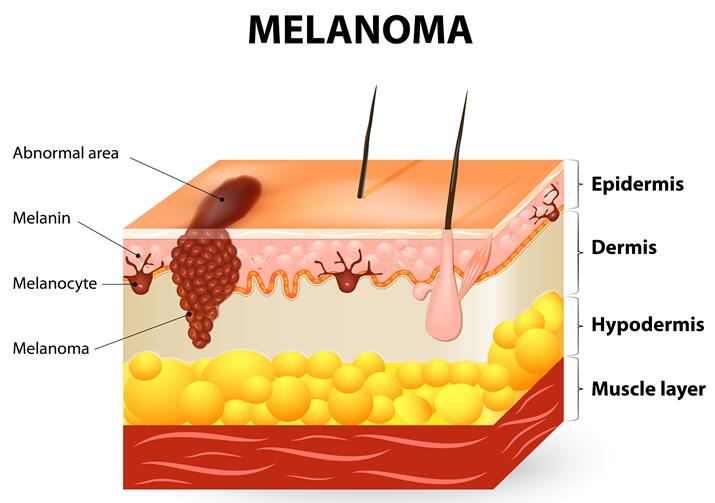
Melanoma is a highly aggressive form of skin cancer that originates from the malignant transformation of melanocytes. Known for its remarkable ability to metastasize and its significant genetic heterogeneity, melanoma remains a primary focus of oncological research due to its complex interaction with the immune system and its potential for developing resistance to targeted therapies.
Our melanoma cell line collection provides powerful in vitro models for investigating the molecular drivers of skin cancer. These lines are essential for studying melanogenesis, exploring the mechanisms of metastatic spread, and evaluating the next generation of BRAF/MEK inhibitors and immunomodulatory agents.
Metastatic Genotyped Pigmented Versatile
Key Features & Expertise
Our melanoma cell lines are specifically curated to reflect the clinical and molecular landscape of the disease:

Comprehensive Mutation Profiles
- Extensive coverage of BRAF, NRAS, and NF1 mutational status.
- Characterized loss of tumor suppressors such as PTEN and CDKN2A.
- Models representing both primary cutaneous melanoma and metastatic lesions.

Phenotypic & Functional Diversity
- Cell lines with varying degrees of melanogenesis and melanin production.
- High-metastatic potential models for invasion and migration assays.
- Representation of diverse morphological types, from epithelioid to spindle-shaped cells.

Advanced Application Support
- STR-authenticated and Mycoplasma-free for high-impact publication standards.
- Validated for use in 3D skin reconstructs and organotypic models.
- Reliable performance in drug screening and resistance mechanism studies.
FAQ
Why is BRAF status important when choosing a melanoma cell line?
Approximately 50% of melanomas harbor BRAF mutations, which drive the MAPK signaling pathway. Choosing a cell line with a known BRAF status is critical for studying sensitivity to BRAF inhibitors like Vemurafenib or Dabrafenib.
Do these melanoma cell lines produce melanin in culture?
Melanin production varies between lines. Some, like B16 or certain human lines, remain highly pigmented, while others may lose pigmentation over passages. We provide information on the phenotypic characteristics to help you select the right model.
Can these cells be used for immunotherapy research?
Yes. Many melanoma cell lines express specific antigens or immune checkpoint molecules like PD-L1, making them excellent targets for CAR-T cell assays and checkpoint inhibitor studies.
What is the best way to study melanoma metastasis using these models?
For metastasis studies, we recommend using highly invasive lines in Transwell migration/invasion assays or utilizing them in in vivo xenograft models to monitor distal colonization.
Are your melanoma cell lines suitable for 3D culture?
Most of our melanoma lines readily form multicellular tumor spheroids (MCTS), which better mimic the hypoxia and nutrient gradients found in solid tumors compared to traditional 2D monolayers.