
Lymphatic Cells
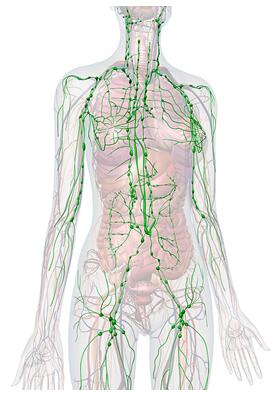

Lymphatic and lymphoid cells are key components of the immune system, involved in immune surveillance, antigen presentation, lymphocyte trafficking, adaptive immunity and regulation of inflammation. These cell populations are commonly employed in research in immunology, cancer, infectious illness and cell therapy.
Our collection of lymphatic cells includes primary lymphatic endothelial cells, lymphatic fibroblasts, human T- and B-cell subsets, cord blood immune cells and leukaemia related lymphoid cells. These physiologically realistic models are useful in investigations of immunological signaling, haematological malignancies, immunotherapy development, and lymphatic biology.

25+
Lymphatic &
Immune Cell Models

10+
T & B Cell
Subsets

6+
Leukemia-Associated
Cell Models
Filter By:
Our Lymphatic Cell Portfolio Highlights

Comprehensive Lymphatic & Immune Cell Resources
Our collection encompasses key cellular components of the lymphatic system and adaptive immune response.
-
Lymphatic Stromal & Endothelial Cells
- Human lymphatic endothelial cells
- Human lymphatic fibroblasts
- Suitable for lymphangiogenesis and vascular biology studies
-
Purified T Cell Populations
- Pan T cells, CD4+ helper T cells, and CD8+ cytotoxic T cells
- Regulatory T cells, memory T cells, and naïve T cells
- Peripheral blood and cord blood-derived cell sources
-
Purified B Cell Populations
- Naïve B cells, memory B cells, and total CD19+ B cells
- Peripheral blood and cord blood-derived B cells
- Negative and positive selection formats available
-
Disease-Relevant Immune Models
- CLL- and ALL-associated B-cell populations
- Bone marrow and peripheral blood-derived disease samples

Immunology & Cell Therapy Applications
Our lymphatic and immune cell models support investigations across adaptive immunity, immunotherapy, lymphatic biology, and hematologic oncology.
-
T Cell Biology & Immunotherapy
Primary T-cell subsets support studies of immune activation, T-cell differentiation, immune regulation, CAR-T development, and adoptive cell therapy research.
-
B Cell Function & Humoral Immunity
Purified B-cell populations enable investigations of antibody responses, B-cell maturation, memory formation, and immune dysfunction.
-
Lymphatic Vascular Research
Lymphatic endothelial and stromal cells are valuable tools for studying lymphangiogenesis, immune trafficking, vascular remodeling, and inflammatory responses.
-
Hematologic Malignancy Studies
Disease-derived lymphocyte populations provide clinically relevant models for leukemia biology, biomarker discovery, therapeutic screening, and translational oncology.
What types of lymphatic and immune cells are available?
Our portfolio includes lymphatic endothelial cells, lymphatic fibroblasts, purified T-cell subsets, B-cell subsets, cord blood-derived immune cells, and disease-associated lymphocyte populations.
Do you provide purified T-cell and B-cell populations?
Yes. We offer highly purified CD4+ helper T cells, CD8+ cytotoxic T cells, regulatory T cells, memory T cells, naïve T cells, naïve B cells, memory B cells, and total CD19+ B-cell populations.
Can these cells be used for immunotherapy research?
Absolutely. Primary T-cell and B-cell populations are widely used for CAR-T development, immune cell engineering, adoptive cell therapy, immune profiling, and immunomodulatory drug screening.
Are disease-specific immune cell models available?
Yes. We provide leukemia-associated B-cell populations from chronic lymphocytic leukemia (CLL) and acute lymphoblastic leukemia (ALL), derived from both peripheral blood and bone marrow specimens.
What applications are supported by lymphatic endothelial cells?
Lymphatic endothelial cells are commonly used in studies of lymphangiogenesis, immune cell trafficking, inflammation, tumor metastasis, vascular remodeling, and lymphatic vessel biology.