
Leukemia/Lymphoma/Myeloma Cells
Leukemia, lymphoma, and myeloma represent a diverse group of malignancies originating from the blood-forming tissues and cells of the immune system. Characterized by the uncontrolled proliferation of hematopoietic cells, these diseases range from acute, rapidly progressing leukemias to chronic lymphomas and plasma cell dyscrasias like multiple myeloma.
Our comprehensive collection of leukemia, lymphoma, and myeloma cell lines provides essential in vitro models for hematologic oncology. These lines are indispensable for studying liquid tumor biology, exploring signal transduction in immune cells, and developing novel targeted therapies or immunotherapies.
Hematopoietic Authentic Characterized Validated
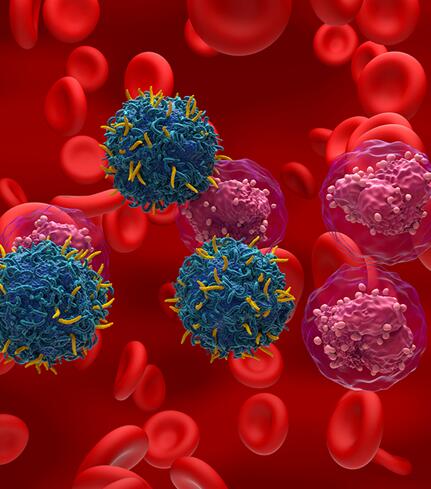
Key Features & Expertise
Our hematologic malignancy cell lines are optimized for high-performance research in blood cancers:

Broad Disease Representation
- Extensive range covering AML, ALL, CML, and various B-cell and T-cell lymphomas.
- Multiple myeloma models representing different stages of plasma cell malignancy.
- Inclusion of rare subtypes and cell lines with specific lineage markers.

Cytogenetic & Molecular Profiling
- Documented chromosomal translocations such as BCR-ABL1 (Philadelphia chromosome).
- Characterized mutations in key genes including FLT3, NPM1, and TP53.
- Verified immunophenotypes (CD markers) consistent with original clinical diagnoses.

Research-Ready Reliability
- STR-authenticated to ensure the highest standards of identity and purity.
- Certified Mycoplasma-free and quality controlled for consistent suspension growth.
- Ideal for flow cytometry, apoptosis assays, and drug sensitivity profiling.
FAQ
What are the primary differences between leukemia and lymphoma cell lines?
Leukemia cell lines generally represent malignancies originating in the bone marrow and blood, often showing suspension growth in culture. Lymphoma cell lines typically derive from solid tumor masses in the lymphatic system, though many also adapt to suspension culture in vitro.
How do I handle the suspension growth of these cell lines?
Most leukemia and myeloma cells grow in suspension or form loose clusters. They require regular monitoring of cell density and viability, with subculturing typically performed by dilution or centrifugation rather than enzymatic detachment.
Are these cell lines suitable for studying targeted therapies like Imatinib?
Yes. Many of our lines, particularly CML models with the BCR-ABL1 translocation, are standard tools for studying tyrosine kinase inhibitors (TKIs) and mechanisms of drug resistance.
Do you provide information on the CD markers expressed by these cells?
Yes, for many leukemia and lymphoma cell lines, we provide data on key surface markers (e.g., CD19, CD20, CD3, CD33) which is crucial for immunophenotyping and antibody-based drug research.
How should I preserve the genetic stability of my hematologic cell lines?
To minimize genetic drift and phenotypic changes, it is recommended to maintain a low-passage cell bank in liquid nitrogen and routinely verify the culture's characteristics.