
Female Reproductive Cells
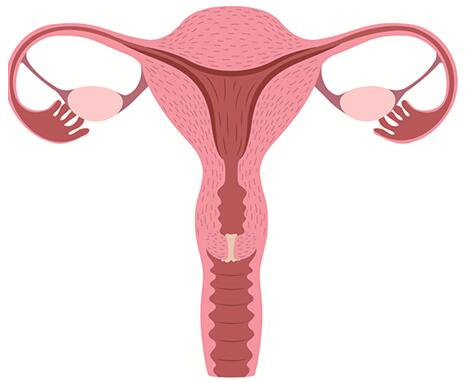

The female reproductive system cells are comprised of native and tumor-associated human cells from major reproductive tissues such as placenta, ovary, uterus, and related stromal and vascular compartments. Collectively, these cells make up the complex cellular ecosystem that underpins reproduction, hormonal control, tissue remodeling and immunological tolerance during pregnancy.
Our Female Reproductive Cells portfolio offers physiologically relevant and disease-associated in vitro models for the study of reproductive biology, placental development, endometrial function, ovarian physiology, tumor microenvironment interactions and the course of gynaecological cancer.

15 +
Reproductive & Placental
Cell Models

5
Major Tissue
Origins

3
Research Areas:
Reproduction, Pregnancy & Cancer
Filter By:
Our Female Reproductive Cell Portfolio Highlights

Comprehensive Reproductive Cell Resources
Our portfolio covers major cellular components involved in ovarian function, uterine biology, placental development, and reproductive tissue homeostasis.
-
Ovarian and Endometrial Cell Models
- Ovarian epithelial, stromal, fibroblast, and endothelial cells
- Endometrial epithelial cells and menstrual-derived cells
- Models supporting reproductive physiology and disease studies
-
Placental and Maternal-Fetal Interface Cells
- Human villous trophoblasts
- Villous mesenchymal fibroblasts
- Amniotic epithelial cells
-
Gynecologic Oncology Models
- Ovarian carcinoma epithelial cells
- Tumor-associated fibroblasts and endothelial cells
- Metastatic ovarian cancer-associated cell models

Reproductive and Women's Health Research Support
We support studies spanning reproductive physiology, pregnancy biology, gynecologic diseases, and tumor microenvironment research.
-
Maternal-Fetal Biology Studies
Suitable for investigating trophoblast invasion, placental development, maternal-fetal communication, and pregnancy-related biological processes.
-
Endometrial and Uterine Research
Support for studies of endometrial regeneration, implantation-related biology, uterine remodeling, and reproductive tissue function.
-
Tumor Microenvironment Investigations
Applicable for exploring interactions between ovarian carcinoma cells, cancer-associated fibroblasts, and tumor-associated endothelial cells.
-
Angiogenesis and Metastasis Research
Support for evaluating tumor vascularization, metastatic progression, and therapeutic responses in gynecologic cancers.
Which cell models are commonly used to study placental development and maternal-fetal interactions?
Human villous trophoblasts, villous mesenchymal fibroblasts, and amniotic epithelial cells are widely used to investigate trophoblast invasion, placental function, fetal membrane biology, and communication at the maternal-fetal interface.
What cell types are most suitable for ovarian cancer microenvironment research?
Researchers commonly combine ovarian carcinoma epithelial cells with ovarian cancer-associated fibroblasts and tumor-associated endothelial cells to evaluate tumor-stroma interactions, angiogenesis, and therapeutic responses within the ovarian tumor microenvironment.
Can these cells be used to model ovarian cancer metastasis?
Yes. Metastatic ovarian carcinoma epithelial cells, metastatic cancer-associated fibroblasts, and metastatic tumor-associated endothelial cells provide valuable tools for studying tumor dissemination, metastatic niche formation, and disease progression.
How are endometrial cells used in reproductive research?
Endometrial epithelial cells and menstrual-derived endometrial cells are frequently used to investigate endometrial regeneration, implantation-related biology, hormone responsiveness, tissue remodeling, and reproductive disorders.
Can multiple reproductive cell types be incorporated into co-culture systems?
Yes. Combining epithelial, stromal, fibroblast, smooth muscle, endothelial, and trophoblast cell populations can help recreate physiologically relevant reproductive tissue microenvironments for mechanistic and translational studies.