
Astrocytoma/Glioblastoma Cells
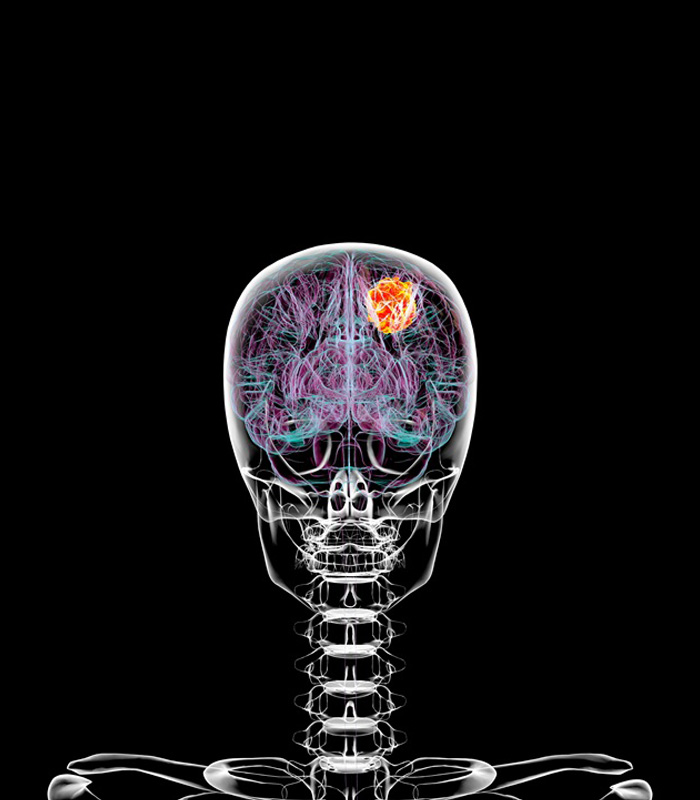
Astrocytoma and glioblastoma are highly aggressive primary brain tumors originating from astrocytic glial cells. Characterized by pronounced molecular heterogeneity and rapid progression, these malignancies remain among the most challenging to treat.
Our astrocytoma and glioblastoma (GBM) cell line collection provides reliable in vitro models for investigating tumor biology, exploring therapeutic strategies, and studying mechanisms of disease progression and treatment resistance.
Reliable Authentic Diverse Supported
Key Features & Expertise
Our astrocytoma and glioblastoma cell lines stand out for the following features

Diverse, Relevant, and Well-Characterized Models
- Broad coverage of astrocytoma and glioblastoma (GBM), including multiple clinical grades
- Representation of key molecular subtypes such as IDH-wildtype glioblastoma
- Reflect the phenotypic and genetic heterogeneity of human gliomas

Deep Characterization & Reliable Performance
- Genomic profiling of key alterations, including TP53, EGFR, PTEN, and CDKN2A
- Documented signaling pathways such as PI3K/AKT and MAPK
- Consistent growth behavior suitable for reproducible in vitro studies and high-throughput screening

Quality You Can Trust
- STR-authenticated to ensure cell line identity
- Mycoplasma-free and quality controlled for experimental reliability
- Stable supply with batch consistency and technical support
FAQ
What is the difference between astrocytoma and glioblastoma cell lines?
Astrocytoma cell lines come from tumors across different grades, while glioblastoma (GBM) cell lines are specifically derived from Grade IV astrocytomas—the most aggressive form. As a result, GBM models generally show faster growth, stronger invasiveness, and higher resistance to treatment.
How do I choose the right glioblastoma cell line for my research?
It really depends on what you're trying to study. Most researchers will look at a few key factors:
- Genetic background, such as IDH status or EGFR mutations
- Drug response, especially sensitivity to temozolomide (TMZ)
- Growth behavior and culture requirements
- Whether the model works better in 2D systems or more advanced 3D/organoid setups
Are your astrocytoma and glioblastoma cell lines authenticated?
Yes. All cell lines are STR-authenticated to confirm their identity and routinely tested to ensure they are mycoplasma-free. This helps minimize variability and ensures more reliable experimental results.
Can these cell lines be used for drug screening and resistance studies?
Absolutely. These cell lines are widely used in drug screening workflows, including high-throughput assays. They are also commonly applied in studies focused on therapy resistance, particularly for temozolomide (TMZ).
How stable are glioblastoma cell lines during long-term culture?
Like most cell lines, GBM models can change over time with continuous passaging. To maintain consistency, it's best to work with low-passage cells and follow good cell banking practices.
Do you provide information on mutation profiles for each cell line?
Yes, for many of our cell lines we provide detailed characterization data, including key mutations and pathway information. This can help you select the most appropriate model for your study.
How are the cell lines shipped and stored?
Cell lines are shipped either on dry ice or as cryopreserved vials. Once received, they should be transferred to liquid nitrogen for long-term storage to maintain viability.